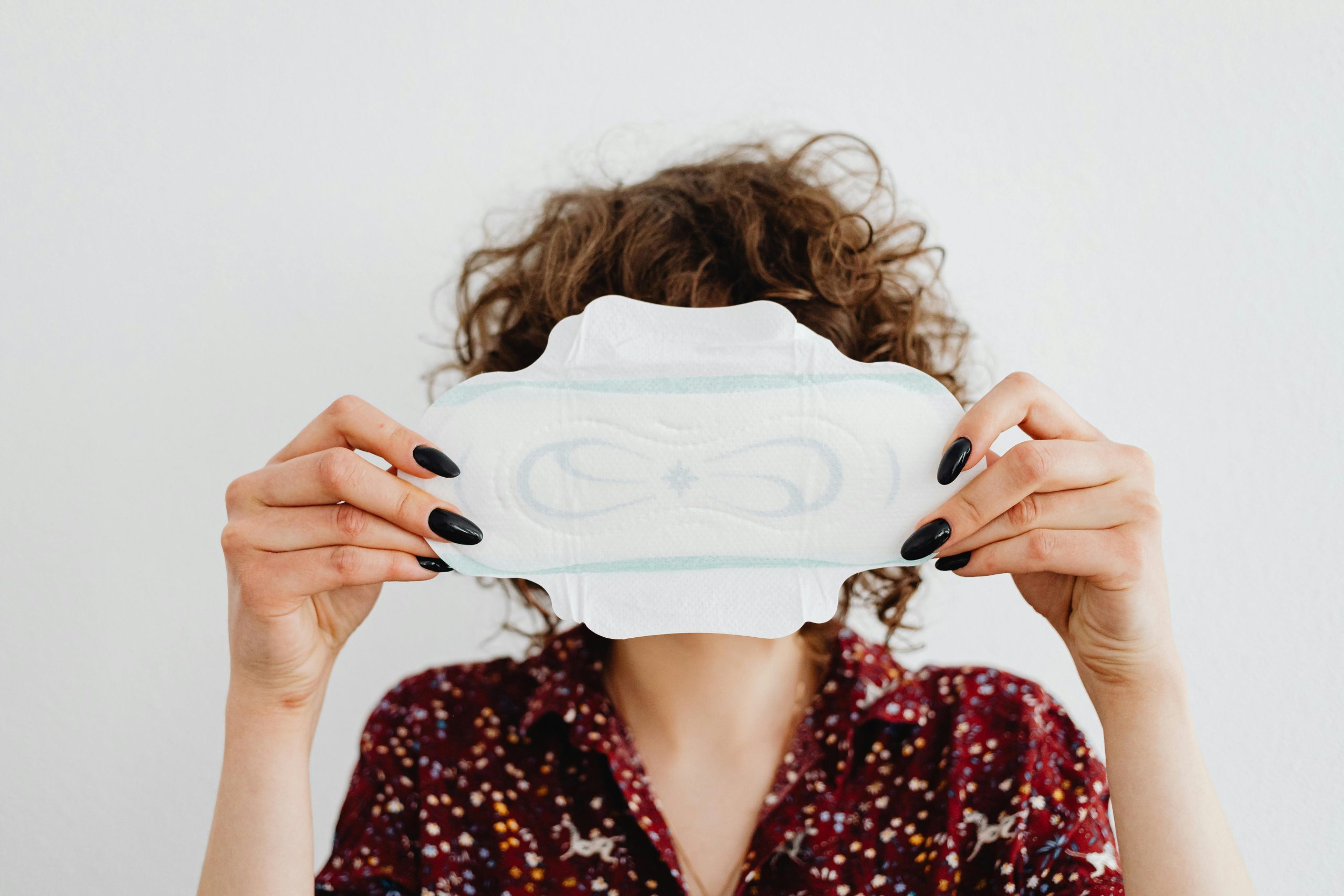
The menstrual cycle is often simplified as “the period,” but medical research shows it is a complex biological process that affects nearly every system in the body. Understanding how it works can help women recognize normal changes, avoid misinformation, and better interpret their cycle data when using tracking apps.
A typical menstrual cycle is divided into four phases: menstrual, follicular, ovulatory, and luteal. Each phase is driven by specific hormonal changes, mainly estrogen and progesterone. These hormones do not only regulate the uterus — they also influence the brain, metabolism, immune system, and energy levels.
During the menstrual phase, the uterus sheds its lining. Medical studies confirm that fatigue during this time is linked to temporary drops in iron levels and changes in inflammatory markers. This explains why rest and reduced physical strain often feel necessary, even in healthy individuals.
The follicular phase begins after bleeding ends. Estrogen levels gradually rise, which has been shown to support cognitive function, motivation, and muscle recovery. Research indicates that this phase is often associated with improved focus and learning ability, making it a naturally higher-energy period for many women.
Ovulation is a short but important phase. Scientifically, it is confirmed as the time of highest fertility, marked by the release of an egg. Hormonal peaks during ovulation can affect body temperature, cervical fluid, and even social behavior. These changes are commonly tracked in fertility-awareness methods and modern cycle-tracking apps.
The luteal phase follows ovulation and is dominated by progesterone. Medical literature shows that progesterone has a calming but sometimes slowing effect on the body. Digestion may become slower, body temperature slightly higher, and sensitivity to stress more noticeable. These changes are physiological, not psychological weakness.
One important scientific finding is that cycle symptoms are not random. Research confirms that headaches, digestive discomfort, sleep changes, skin reactions, and mood shifts often follow predictable cycle-related patterns. Tracking these signs over time helps distinguish between normal hormonal responses and unusual changes that may require professional attention.
Another key fact supported by doctors is that menstrual cycles are not identical for everyone. Cycle length, symptom intensity, and phase duration vary naturally. This is why comparing cycles between individuals is not medically accurate. Personalized tracking provides more meaningful insight than generalized expectations.
Health education around the menstrual cycle is not about control or self-diagnosis. It is about body literacy — understanding how a healthy cycle typically behaves and recognizing when something feels different from one’s own normal pattern.
Science confirms that informed awareness reduces anxiety, improves self-care decisions, and supports better communication with healthcare professionals when needed.