Blog

  • The Future of Menstrual Health: A Tiny Sensor That Tracks Hormones

    The Future of Menstrual Health: A Tiny Sensor That Tracks Hormones

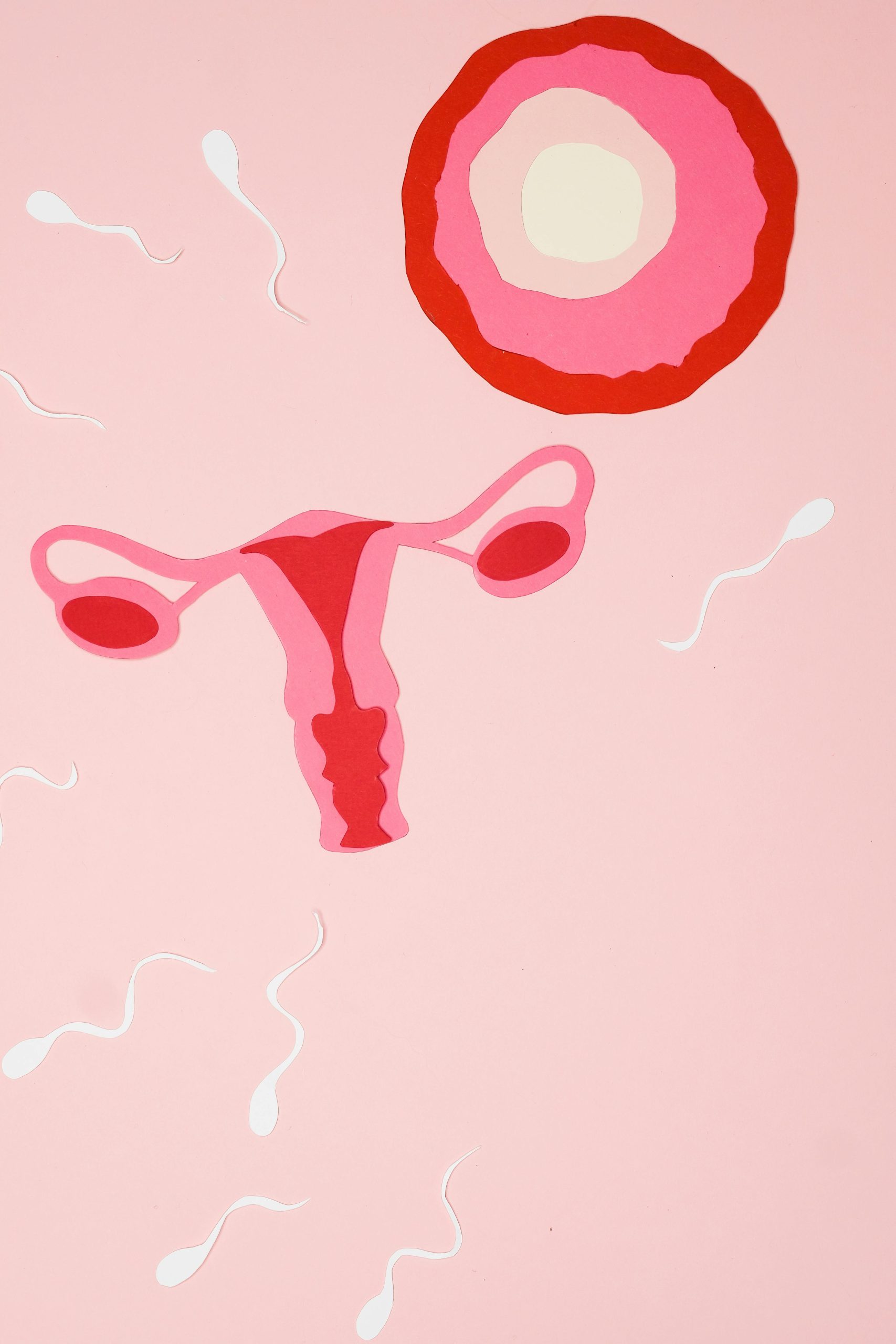
    In 2025, researchers in Switzerland developed a small wearable sensor that tracks hormone levels through sweat — offering a new way to understand menstrual cycles in real time.

    This tiny device, worn like a patch, measures estrogen and progesterone fluctuations, helping women predict ovulation, PMS, and even signs of hormonal imbalance. It could revolutionize fertility awareness and cycle health management.

    Imagine checking your phone and seeing your hormone balance the way you see your heartbeat — no more guessing why you’re moody, tired, or bloated.

    This technology is still being tested, but it represents something bigger: a future where women’s bodies are finally studied, understood, and respected — not treated as mysteries.

  • The Hidden Connection Between Gut Health and Period Pain

    The Hidden Connection Between Gut Health and Period Pain

    A few months ago, a friend told me her cramps vanished after she started fixing her gut health. I didn’t believe her — until I tried it myself.

    I cut down on processed food, added probiotics and fiber, and focused on hydration. Within two cycles, the change was undeniable: less bloating, fewer cramps, better mood.

    Doctors now know the gut and hormones are deeply connected through the microbiome. When your gut bacteria are balanced, estrogen metabolizes better — preventing excess buildup that can worsen PMS and pain.

    So if you’re struggling with stubborn cramps, maybe it’s not just your uterus — maybe your gut is asking for help too.

  • I Tried Cycle Syncing My Self-Care — and It Changed My Mental Health

    I Tried Cycle Syncing My Self-Care — and It Changed My Mental Health

    For years, I treated my cycle as something to “get through.” But last year, I discovered the idea of cycle syncing — adjusting my habits based on my hormonal phases — and it changed everything.

    During my follicular phase, I focused on creativity and planning; in ovulation, I met friends and worked on presentations; during my luteal phase, I slowed down, cooked at home, and journaled. And on my period days, I rested without guilt.

    Within three months, my anxiety and mood swings improved dramatically. I realized my body had been asking for rhythm, not restriction. Understanding my hormonal flow helped me schedule my life around my energy, not against it.

    Now, when my period comes, I don’t dread it. I prepare for it — like I would for a quiet weekend with myself.

  • My Gynecologist’s Golden Rule: “Never Ignore Cycle Pain Longer Than 3 Months”

    My Gynecologist’s Golden Rule: “Never Ignore Cycle Pain Longer Than 3 Months”

    Three years ago, I met a gynecologist who told me something I’ll never forget. I’d been living with painful periods for years — thinking it was just “how my body works.” But she looked at me and said: “Pain that stops your day isn’t normal. It’s a message.”

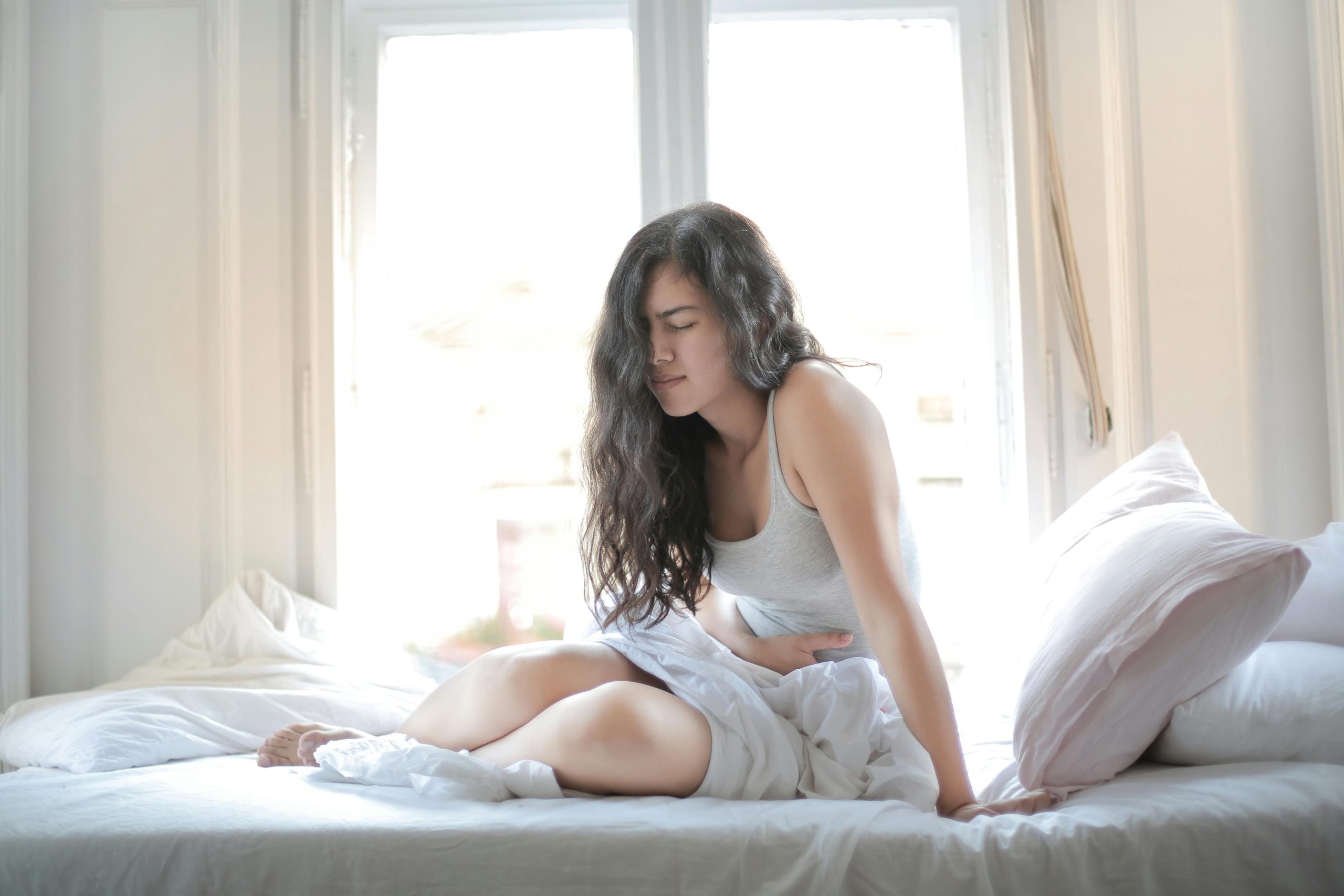
    She explained that period pain should improve, not worsen, over time. If cramps become more intense, or if you need painkillers every single month, something might be off — maybe hormonal imbalance, inflammation, or even endometriosis.

    I took her advice seriously and started tracking my cycle pain on an app. That’s when I noticed patterns: stress, caffeine, and lack of sleep made my cramps worse. After medical testing, I found mild endometriosis early — and that early detection saved me years of suffering.

    If there’s one thing I learned, it’s this: your body speaks in sensations, not words. Don’t wait for it to scream — listen when it whispers.


  • The Iron Story: How I Discovered the Secret Behind My Period Fatigue

    The Iron Story: How I Discovered the Secret Behind My Period Fatigue

    For years, I thought my period fatigue was just “normal.” Every month I’d feel drained, dizzy, and foggy-brained — no matter how much I slept. Then one day, after a random blood test, my doctor said something that changed everything: “You’re slightly anemic.”

    I was shocked. I’d always eaten well, or so I thought. But she explained how iron levels drop naturally during menstruation, especially for women who bleed heavily. Low iron means less oxygen travels through the blood — and that’s why I felt like I was running on empty.

    I started adding iron-rich foods to my meals: lentils, spinach, red meat once a week, and pumpkin seeds for snacks. I even learned that combining these foods with vitamin C (like lemon juice or orange slices) helps your body absorb iron better. Within two months, I felt completely different — lighter, more awake, and surprisingly happier.

    So if you ever feel like your energy disappears with your period, it might not be “just hormones.” Sometimes, your body is whispering for something as simple — and powerful — as iron.

  • The Sleep Connection: Why Resting Well Can Ease Your Period Symptoms

    The Sleep Connection: Why Resting Well Can Ease Your Period Symptoms

    Sleep is more powerful than most of us realize — especially during menstruation. A lack of sleep can make cramps worse, increase irritability, and even prolong bleeding. Your body is already working hard to shed the uterine lining, and without enough rest, it has to work twice as much.

    A small clinic study in Sweden observed women who got less than six hours of sleep before and during their period. They reported heavier bleeding and stronger cramps than those who slept seven to eight hours. The difference wasn’t just physical — poor sleepers felt more anxious and less patient with loved ones.

    If you struggle to fall asleep, try keeping a night routine. Avoid screens 30 minutes before bed, dim the lights, and drink something warm — like chamomile tea. Also, try magnesium before sleep; it’s known to relax muscles and improve rest quality.

    Your body renews itself while you sleep. Hormone balance, mood, and pain sensitivity all depend on those precious hours of rest. So don’t feel guilty for sleeping more during your period — it’s your body’s way of healing.

  • Comfort on a Plate: How Warm Meals Soothe Your Body During Your Period

    Comfort on a Plate: How Warm Meals Soothe Your Body During Your Period

    There’s something deeply comforting about a warm meal when you’re on your period — and it’s not just emotional. Studies have shown that eating warm, cooked foods can actually help the body relax, improve digestion, and reduce bloating.

    One nutritionist, Dr. Laila Mendez, once shared a story about a patient who constantly craved ice-cold drinks and salads during her period but always felt bloated and tired afterward. When Dr. Laila suggested switching to soups, stews, and herbal teas, the change was remarkable. Her patient’s cramps decreased, her energy levels improved, and she even described feeling more “centered” and calm.

    Warm meals — like vegetable soups, lentil stews, or even soft rice with turmeric — support blood circulation and prevent the digestive system from slowing down, which often happens during menstruation. Cold foods, on the other hand, can make blood vessels constrict, leading to more discomfort.

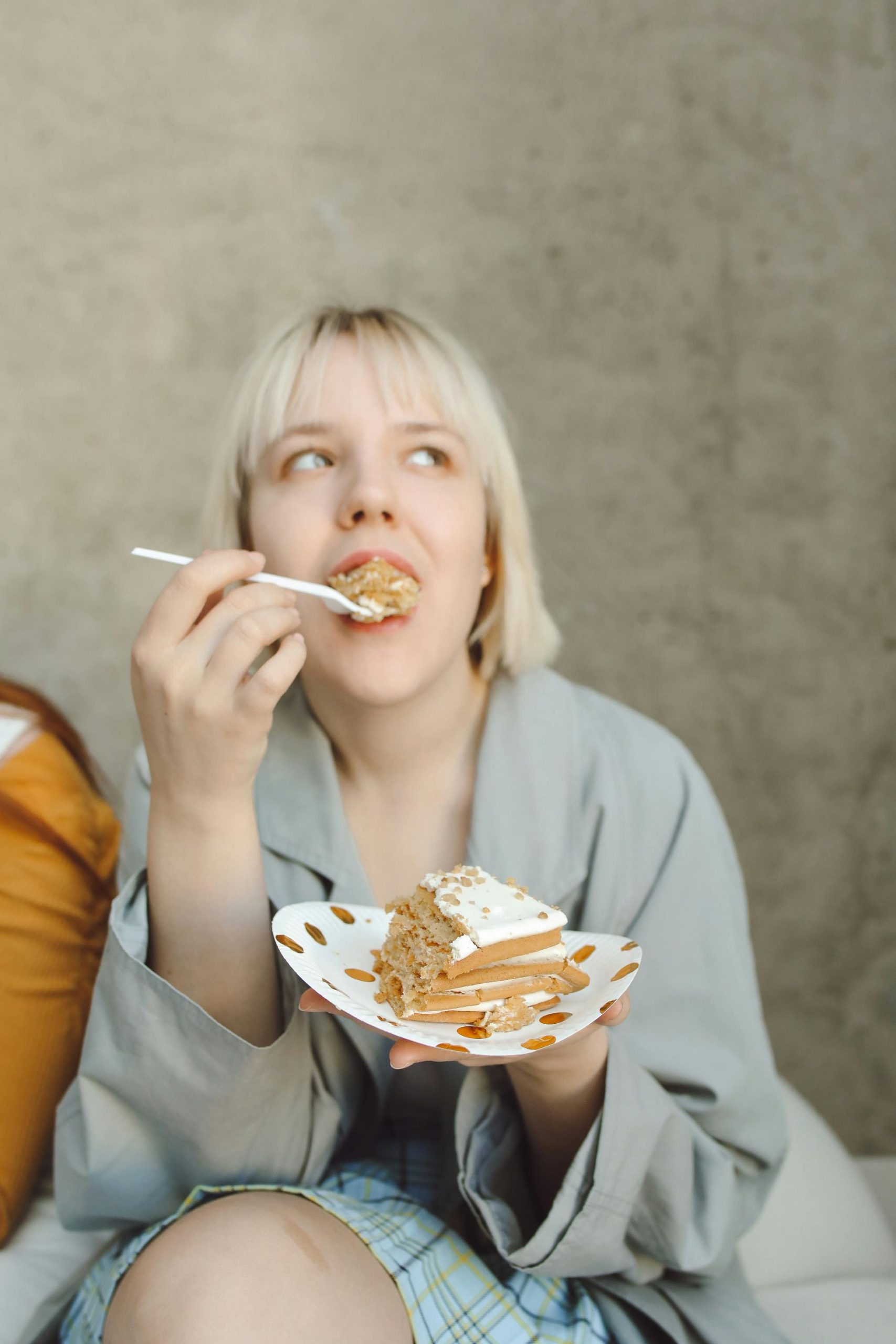
    If you tend to crave sweets or fast food during your cycle, try making comforting alternatives: baked sweet potatoes, hot chocolate made with real cocoa, or oatmeal with cinnamon and honey. These foods nourish your body while also feeding your emotions — because comfort doesn’t have to come from junk food.

    So next time your period arrives, wrap yourself in a blanket, warm up a homemade bowl of something cozy, and remind yourself that taking care of your body can also feel delicious.

  • The Hidden Link Between Hydration and Cramps

    The Hidden Link Between Hydration and Cramps

    A wellness coach noticed that many women who suffered from strong cramps also drank very little water during their period. When they increased their intake to 2–2.5 liters daily, their cramps became less severe and bloating decreased.

    Dehydration can make uterine muscles contract more strongly, worsening cramps. Water helps your body flush out sodium, reduce swelling, and support smoother muscle movement.

    Add slices of lemon, cucumber, or mint to your water if plain water feels boring. Hydration is not just about thirst — it’s a quiet form of care your body needs most during menstruation.

  • What One Week of Digital Detox Did to My PMS Mood

    What One Week of Digital Detox Did to My PMS Mood

    A blogger decided to go on a digital detox for one week before her period — no social media, no late-night scrolling. She noticed a big difference: fewer mood swings, better sleep, and less anxiety.

    Experts explain that screen time increases cortisol, the stress hormone. When reduced, your brain produces more serotonin, helping you feel calm and balanced.

    So, if PMS makes you emotionally tired or sensitive, try logging off for a few days. Replace scrolling with journaling, stretching, or going for a walk. Your body — and mind — will thank you.

  • A Doctor’s Trick: The “Warm Bottle” Method for Cramps Relief

    A Doctor’s Trick: The “Warm Bottle” Method for Cramps Relief

    In a gynecology clinic, doctors often recommend a simple, traditional trick for period pain: the warm bottle method. A warm water bottle placed on the lower abdomen helps relax the uterine muscles, increase blood flow, and ease cramps.

    In one small hospital study, women using heat therapy felt relief as fast as those who took ibuprofen — but without side effects. The warmth signals your body to calm the pain receptors and release tension.

    You can use a hot water bottle, a heating pad, or even a warm towel. Combine it with gentle breathing or stretching, and you’ll feel your body soften and pain ease naturally.