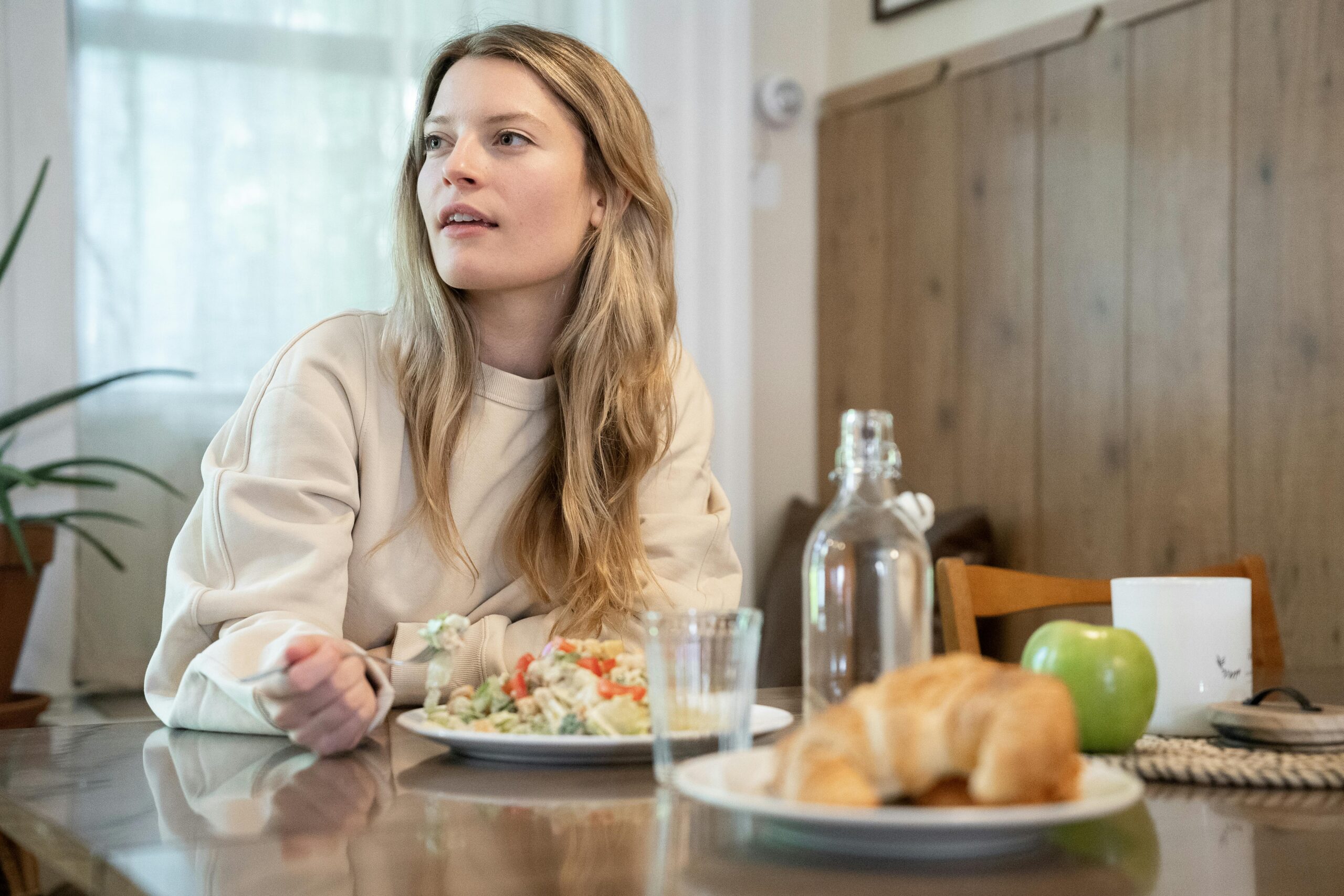
A few months ago, I decided to try a small experiment—not a diet, not a detox, just awareness. For one full menstrual cycle, I paid close attention to what I ate during my period and how my body reacted afterward. I didn’t expect much. I was wrong.
The first thing I noticed was how strongly food influenced my energy levels. On the first two days of my period, I usually felt exhausted and dizzy. This time, instead of skipping meals or grabbing quick sugar, I focused on warm, nourishing foods. Soups, stews, eggs, cooked vegetables, and whole grains became my base. My body felt supported instead of shocked.
A nutritionist once explained that during menstruation, the body prefers warm and easy-to-digest foods. Blood loss and hormonal shifts already put stress on the system. Cold foods, excessive caffeine, and refined sugar force the body to work harder when it actually needs rest. That made sense when I felt fewer cramps after replacing iced drinks with herbal teas.
One of the most surprising discoveries was the effect of iron paired with vitamin C. I had always heard “eat iron,” but I didn’t realize how important absorption was. Lentils with lemon, spinach with tomatoes, and dates with orange slices helped reduce the heavy fatigue I usually felt after my period ended. The result wasn’t instant—but it was lasting.
I also changed my relationship with cravings. Instead of fighting them, I questioned them. When I craved chocolate, I chose dark chocolate rich in magnesium. When I wanted salty snacks, I added olives, nuts, or soups instead of processed chips. Cravings often signal deficiencies, not weakness.
Another key lesson was about digestion. Hormones like progesterone slow digestion during the luteal phase and early period days. Heavy, greasy meals increased bloating and discomfort. Lighter meals eaten more frequently kept my stomach calm and my mood more stable.
What truly amazed me was that the benefits didn’t stop when my period ended. The next cycle came with milder cramps. The one after that felt shorter. Food didn’t “cure” my period—but it clearly educated my body on how to cope better.
Eating during your period isn’t about restriction or perfection. It’s about listening. When you feed your body what it needs during menstruation, it remembers. And it responds—cycle after cycle.