Blog

  • Simple Self-Care Rituals for a Healthier Period

    Simple Self-Care Rituals for a Healthier Period

    Your period is not just a time for dealing with physical symptoms — it’s also an important moment to slow down, listen to your body, and practice self-care. When you create small rituals to nurture yourself during your cycle, you can feel stronger, more relaxed, and more in tune with your natural rhythms.
    Here are some simple yet powerful self-care rituals you can start adding to your period wellness routine:

    1. Create a Warm Comfort Ritual:
    Taking a warm bath or using a heating pad on your lower abdomen can help soothe cramps and relax your body. Adding calming essential oils like lavender or chamomile to your bath water can also calm your mind and promote a sense of peace. Even 15 minutes of warmth can work wonders for both your body and mood.

    2. Wear Soft, Comfortable Clothes:
    During your period, it’s important to prioritize comfort. Choose loose, soft clothing that doesn’t put pressure on your stomach. Cozy outfits can help you feel physically and emotionally better. This small act of kindness towards your body can lift your mood more than you realize.

    3. Give Yourself Permission to Rest:
    You don’t have to be productive every single day. If you feel tired or drained during your period, that’s your body asking for rest. Allow yourself to take naps, say no to extra commitments, or have a slower day if you need it. Rest is not a luxury — it’s part of healing.

    4. Hydrate and Nourish Mindfully:
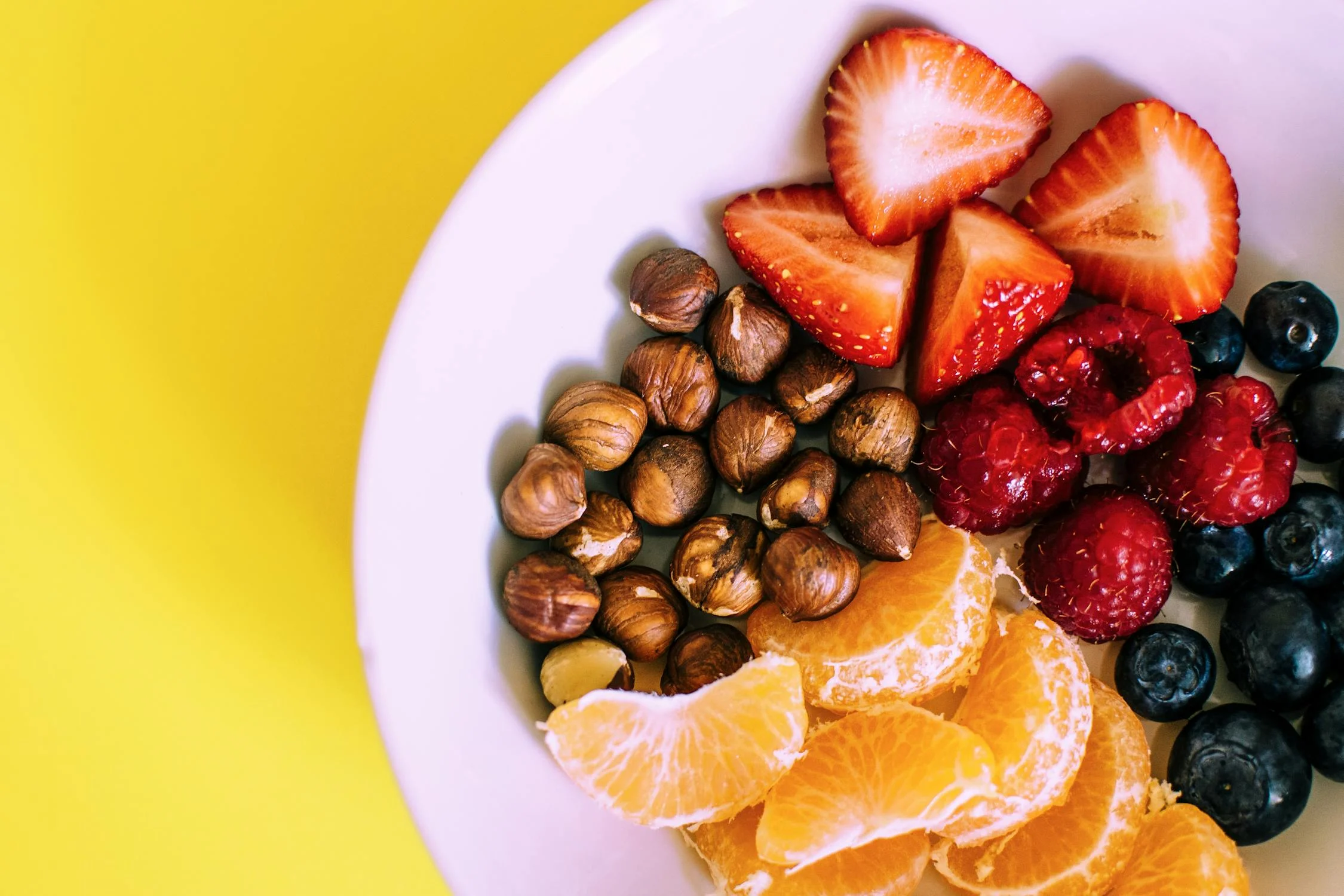
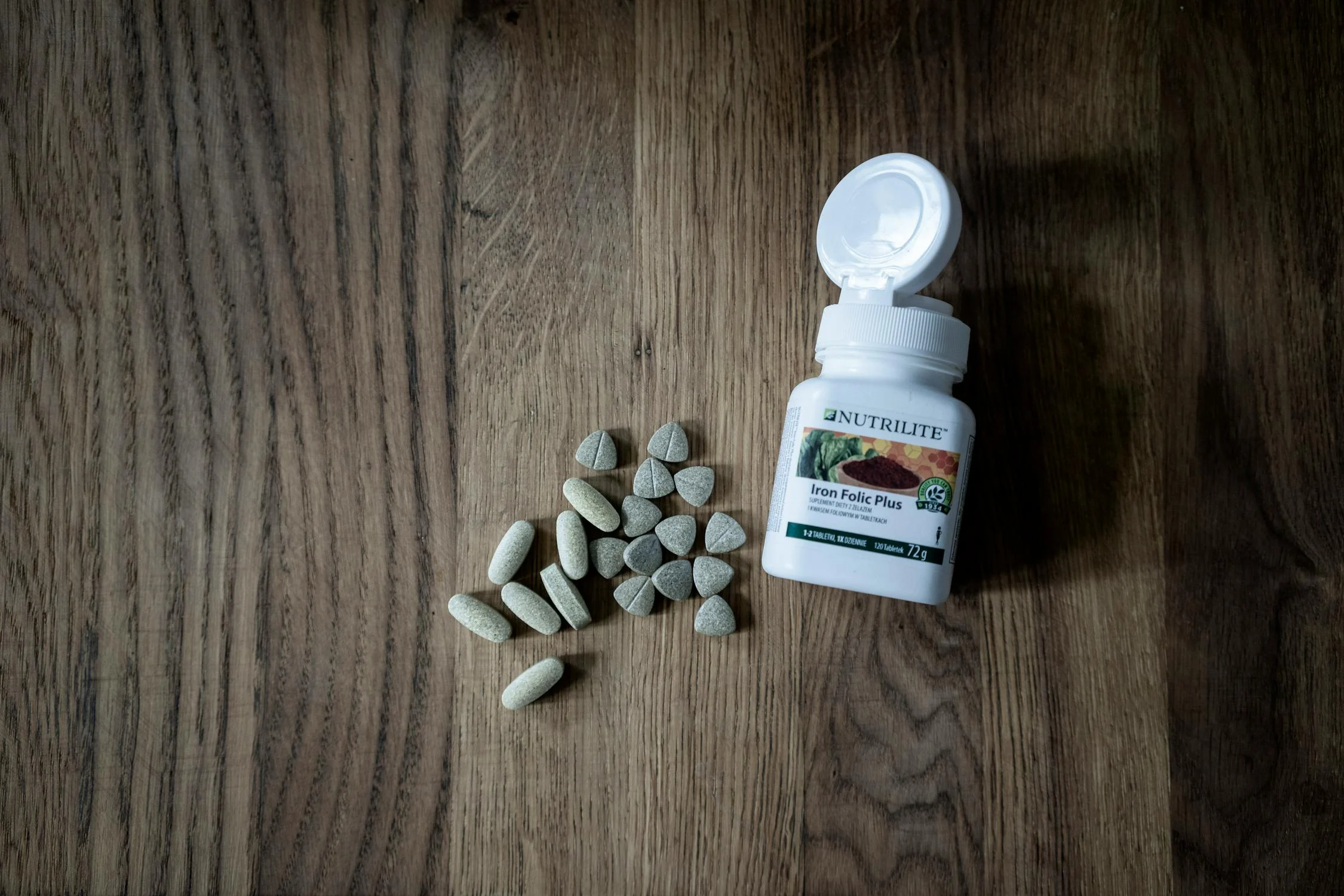
    Drinking enough water and eating warm, nutritious meals can help balance your energy. Herbal teas like ginger, cinnamon, or chamomile are soothing and help reduce bloating. Focus on foods rich in iron, magnesium, and fiber to support your body’s needs during this time.

    5. Practice Gentle Movement:
    Even light stretching, a slow walk, or gentle yoga can support circulation and reduce cramping. Movement doesn’t have to be intense — think of it as a way to show your body some love, not to punish it. Listen to your body’s signals and move in ways that feel good to you.

    6. Engage in Light Creative Activities:
    Coloring, painting, journaling, knitting — any quiet creative activity can be deeply healing. These activities help you shift your mind away from discomfort and into a flow state where you can relax fully.

    7. Celebrate Your Cycle:
    Your period is a natural and vital part of your body’s cycle. Instead of seeing it as a burden, try to view it as a sign of your body’s wisdom and strength. Each month, you have an opportunity to check in with yourself, slow down, and reset. Celebrating your femininity and your body’s natural rhythms is a powerful act of self-love.

    Taking small moments to care for yourself during your period isn’t selfish — it’s necessary for overall wellness. By creating simple self-care rituals, you can transform your period from a time of discomfort into a time of healing, reflection, and deep self-connection.

  • Your Cycle is Your Superpower: Here’s Why

    Your Cycle is Your Superpower: Here’s Why

    In today’s busy world, we often see our menstrual cycle as something inconvenient — something we just have to “deal with” every month. But what if you started looking at your cycle as a source of strength rather than a weakness?
    Your cycle is not just about bleeding; it’s a full, powerful rhythm that affects your energy, emotions, creativity, and intuition. Learning to listen to your cycle can actually help you unlock your full potential in life. Here’s how:

    1. It Helps You Connect to Your Body:
    Each phase of your cycle (menstrual, follicular, ovulation, and luteal) brings different energy levels and emotions. When you learn to track your cycle and notice how you feel at different times, you’ll naturally start to connect deeper with your body’s needs. It’s like having an internal guide that tells you when to rest, when to push forward, and when to reflect.

    2. It Enhances Your Emotional Intelligence:
    Your hormonal shifts during your cycle can make you more emotionally sensitive. While that might seem like a downside, it’s actually a gift. Being in touch with your emotions helps you respond more thoughtfully to life’s challenges, and helps you build stronger, more empathetic relationships.

    3. It Can Boost Your Productivity:
    Believe it or not, understanding your cycle can help you plan your life better! After your period (in the follicular phase), you usually have more energy and focus. Around ovulation, your communication skills are sharper. During the luteal phase, your brain becomes better at spotting problems and refining ideas. If you plan your important tasks according to your cycle, you’ll work smarter, not harder.

    4. It Teaches You the Power of Rest:
    Your menstrual phase is your body’s way of saying, “Slow down and recharge.” Resting during your period doesn’t make you lazy — it makes you wise. Rest is where healing, growth, and new ideas are born. Honoring this need for rest can actually make you stronger in the long run.

    5. It Reminds You That You’re Always Growing:
    Your cycle is a living symbol of change, growth, renewal, and strength. Even on your hardest days, your body is doing incredible work behind the scenes. By respecting your cycle, you honor your body’s wisdom and support your mental, emotional, and physical well-being.

    Your cycle is not a weakness. It’s your superpower. Embrace it, understand it, and let it guide you. You are strong, beautiful, and powerful — not despite your cycle, but because of it.

  • 5 Myths About Periods You Should Stop Believing

    5 Myths About Periods You Should Stop Believing

    Even today, there are still so many myths and misunderstandings about periods that can cause confusion, embarrassment, or even shame. It’s time to break these myths and replace them with the truth! Here are 5 common period myths — and the real facts you should know:

    Myth 1: You can’t get pregnant during your period.
    Truth: While it’s less likely, it’s still possible! Sperm can live in the body for several days, and if you have a short cycle, you could ovulate soon after your period ends. So if you’re not planning to get pregnant, it’s still important to be careful.

    Myth 2: Exercising during your period is bad for you.
    Truth: Exercise can actually help reduce cramps, boost your mood, and improve your energy levels. You don’t need to force yourself to do intense workouts, but gentle activities like yoga, walking, or light cardio are great options during your period.

    Myth 3: You should hide your period.
    Truth: There’s nothing shameful about having a period. It’s a completely natural and healthy part of life. You don’t have to hide your pads, tampons, or the fact that you’re on your period. Talking openly helps break the stigma and makes everyone more comfortable.

    Myth 4: All periods are 28 days long.
    Truth: While the “average” cycle is around 28 days, normal cycles can be anywhere from 21 to 35 days. Every woman’s body is different, and it’s completely normal for cycles to vary in length from person to person — and even from month to month.

    Myth 5: Period blood is dirty or toxic.
    Truth: Period blood is just regular blood mixed with tissue from the lining of the uterus. It’s not dirty, and it doesn’t need to be feared or seen as something harmful. It’s simply a natural part of your body’s monthly cycle of renewal.

    Final Thought:
    Understanding your body is one of the most empowering things you can do for your health and happiness. Never be afraid to ask questions, challenge old myths, and seek out real information. Your body deserves respect, care, and love — always.

  • The Best Types of Meals to Eat on Your Period

    The Best Types of Meals to Eat on Your Period

    During your period, your body needs extra care — and one of the easiest ways to support yourself is through your meals. Not only can certain foods ease cramps and bloating, but they can also help stabilize your energy and mood throughout the day. Here’s what a “period-friendly” meal looks like:

    🍳 1. Include a Good Source of Protein
    Think eggs, chicken, tofu, lentils, or Greek yogurt. Protein helps maintain stable blood sugar levels, which can prevent sudden mood swings and cravings.

    🥑 2. Healthy Fats are Your Friend
    Adding avocado, nuts, olive oil, or fatty fish like salmon to your plate gives your body omega-3 fatty acids that naturally help reduce inflammation and ease pain.

    🥗 3. Load Up on Colorful Vegetables
    Vegetables like spinach, carrots, broccoli, and beets provide vitamins, minerals, and fiber that support digestion and help your body feel lighter and more energized.

    🍚 4. Choose Complex Carbs
    Whole grains like brown rice, quinoa, oats, and sweet potatoes provide long-lasting energy without causing blood sugar spikes. They also help with feelings of fullness and curb unhealthy cravings.

    💧 5. Stay Hydrated and Mineralized
    Water is essential, but you can also add coconut water, herbal teas, and mineral-rich broths to your day. Staying hydrated helps ease bloating and supports circulation.

    🌸 Simple Meal Idea:
    Grilled salmon with roasted sweet potatoes and a side salad of spinach, cucumber, and avocado. Top with olive oil and lemon dressing. Refresh with a mint tea after your meal.

    🌟 Remember:
    Eating during your period is not about restricting yourself — it’s about nourishing your amazing body through a natural, powerful cycle. Give yourself permission to eat foods that make you feel good inside and out.

  • 5 Simple Habits That Support Your Cycle Health

    5 Simple Habits That Support Your Cycle Health

    Taking care of your health all month long, not just during your period, can lead to easier, less painful cycles. Here are 5 habits you can start today to support your cycle health naturally:

    🕒 1. Track Your Cycle
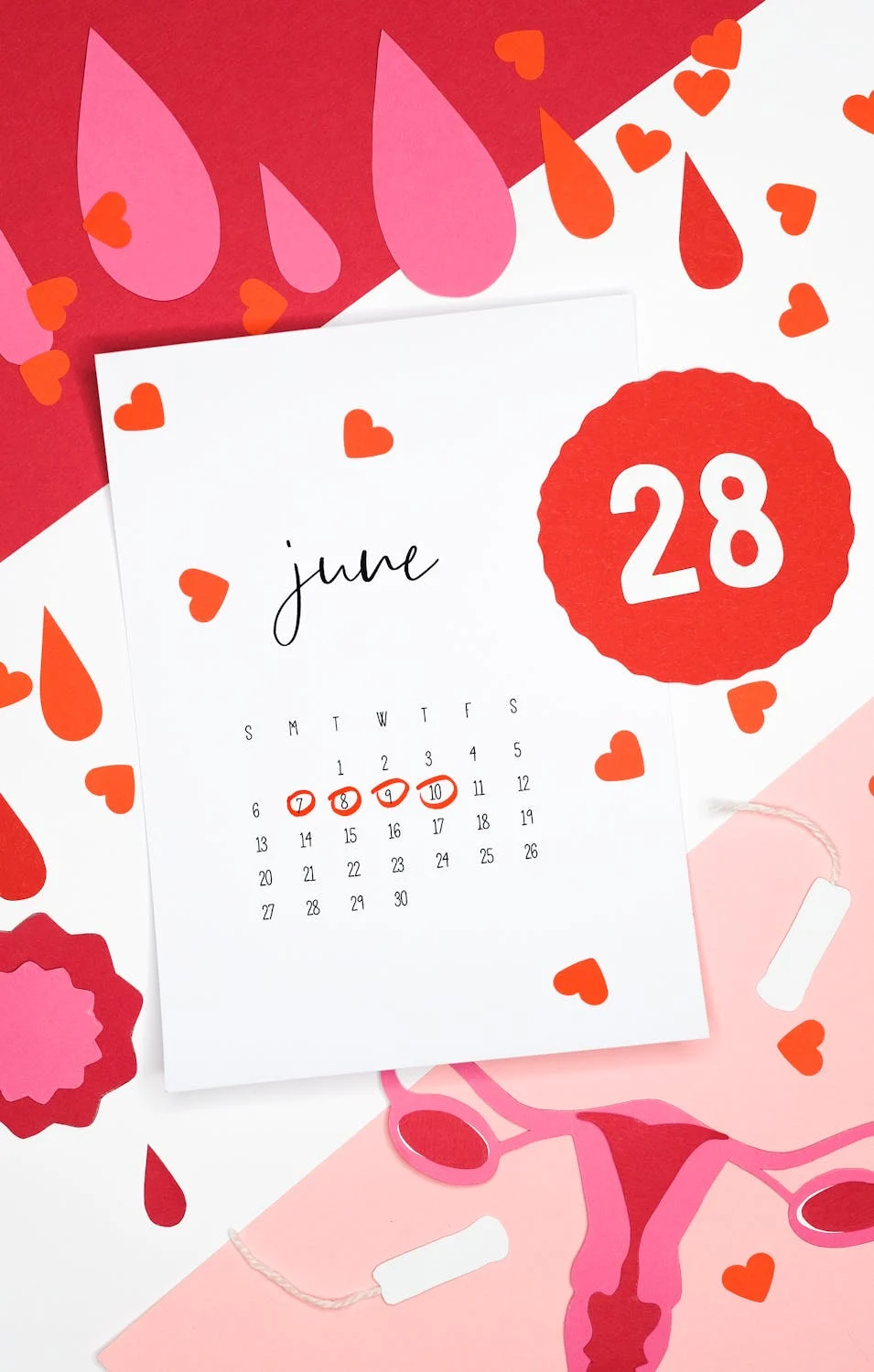
    Use a calendar, an app, or a notebook to track your period dates, symptoms, and moods. Understanding your personal pattern helps you prepare for physical and emotional changes.

    💧 2. Stay Hydrated
    Drinking enough water helps prevent bloating, supports digestion, and keeps your energy levels steady. Aim for at least 8 glasses a day, and more if you feel thirsty or active.

    🏋️ 3. Move Your Body Regularly
    You don’t need to be extreme with workouts. Gentle exercises like walking, swimming, or yoga improve circulation, reduce PMS symptoms, and boost mood naturally. Find what feels good for your body.

    🛌 4. Prioritize Sleep
    Lack of sleep can make PMS symptoms worse. Aim for 7–9 hours of restful sleep per night. Create a calming bedtime routine — like turning off screens early and using a few minutes to journal or read.

    🥗 5. Balance Your Meals
    Eat a variety of fruits, vegetables, whole grains, healthy fats, and protein. A colorful, balanced plate gives your body the nutrients it needs to support hormone balance and energy levels.

    🌟 Remember:
    Small daily habits can lead to big positive changes over time. Treat your body with care every day — your future self will thank you.

  • How to Handle Emotional Swings During Your Period

    How to Handle Emotional Swings During Your Period

    Taking care of your health as a woman goes far beyond just eating riIf you notice your emotions feel more intense before or during your period, you’re not alone — and you’re not “too sensitive” or “overreacting.” Hormonal shifts during your cycle affect brain chemicals like serotonin, which influences mood. The good news is that there are ways to manage emotional ups and downs with kindness toward yourself.

    🧘 1. Practice Self-Awareness
    When you start feeling anxious, sad, or irritated, pause and ask yourself: “Where is this emotion coming from?” Understanding that it’s part of your hormonal cycle can help you respond with compassion rather than judgment.

    📓 2. Journal Your Feelings
    Writing down your thoughts and emotions can help you process them instead of bottling them up. Journaling is a safe space to release worries, fears, and even hopes.

    🚶 3. Take a Break
    If something is overwhelming you, give yourself permission to step back. Even a 5-minute walk outside, deep breathing exercises, or stretching can reset your emotions and bring clarity.

    💬 4. Communicate Openly
    Let people close to you know when you’re feeling more sensitive. A simple “I’m having a hard day” can open the door for support instead of misunderstanding.

    🌸 5. Be Gentle With Yourself
    You’re allowed to feel emotional. You’re allowed to rest. You’re allowed to take time for yourself. You are not weak — you are beautifully human.

    🌟 Final Thought:
    Your feelings are valid. By understanding and accepting your emotional changes, you become stronger, not weaker. Emotional self-care is just as important as physical self-care.