Blog

  • The Surprising Benefit of Eating Oats During Your Period

    The Surprising Benefit of Eating Oats During Your Period

    A recent nutrition experiment found that women who ate a bowl of oats every morning during their period experienced less bloating and more stable energy. The reason lies in the fiber and iron found in oats, which help regulate digestion and compensate for the iron lost through bleeding.

    Oats also contain vitamin B6, known to balance mood and reduce irritability. In the experiment, women who combined oats with fruits like banana or berries reported less fatigue and fewer cravings.

    To try it yourself, cook oats with milk or plant-based alternatives, add some honey or cinnamon, and enjoy it warm. It’s not just comfort food — it’s nourishment that supports your body’s natural rhythm.

  • The Woman Who Tried “Cycle Syncing” — and What She Learned

    The Woman Who Tried “Cycle Syncing” — and What She Learned

    Cycle syncing is a growing trend where women align their diet and lifestyle with each phase of their menstrual cycle. A fitness coach named Amelia tried it for three months — eating lighter, exercising gently during her period, then increasing workouts and protein intake after ovulation.

    She noticed huge changes: fewer energy crashes, improved skin, and better emotional balance. Tracking her cycle helped her understand her body’s rhythm instead of fighting it.

    Experts say the key is to listen to your hormones. During the follicular phase, estrogen rises — it’s a great time for creativity and exercise. During the luteal phase, progesterone increases — prioritize rest and comfort foods.

    Cycle syncing isn’t a strict rule but a way to respect your body’s natural flow. It can turn your cycle from a monthly struggle into a rhythm of strength and awareness.

  • The Surprising Link Between Gut Health and Period Pain

    The Surprising Link Between Gut Health and Period Pain

    Recent research found that women with healthy gut bacteria experience fewer cramps and less bloating during their period. Scientists believe this happens because gut microbes help balance estrogen levels and reduce inflammation — two key factors that influence menstrual pain.

    In a small study, women added probiotic foods like yogurt, kefir, kimchi, and fermented pickles to their daily meals for one month. Many reported lighter cramps and better digestion during their next cycle.

    Gut health also affects mood. A balanced gut can increase serotonin production, the hormone responsible for happiness and calmness. So, improving digestion may also improve your emotional balance during your period.

    If you often deal with cramps or bloating, start by adding one serving of probiotic food a day. It’s a simple and natural step toward a more comfortable cycle.

  • The Secret Benefits of Tracking Your Period Beyond Fertility

    The Secret Benefits of Tracking Your Period Beyond Fertility

    Most people think period tracking is only for predicting fertility. But logging your cycle has many more benefits that can improve your health and lifestyle.

    Spotting Patterns
    Tracking helps you see when symptoms like headaches, acne, or mood swings occur. This makes it easier to prepare and manage them.

    Planning Ahead
    Knowing your cycle allows you to plan work, social events, or trips around days when you’re likely to feel more energized.

    Better Communication with Doctors
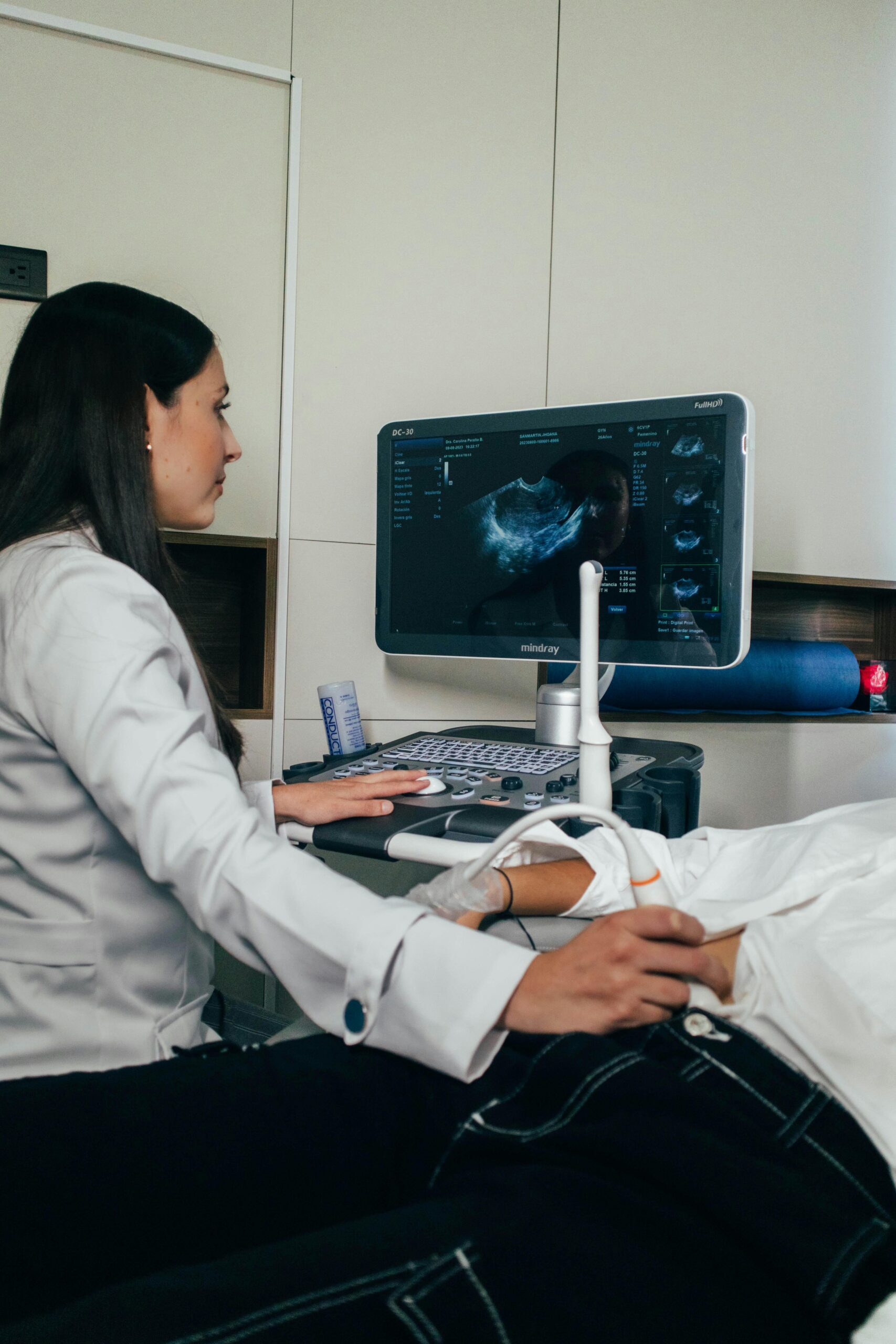
    If you ever need medical advice, having a record of your cycles and symptoms gives doctors clearer insight, speeding up diagnosis and treatment.

    Understanding Yourself
    Tracking reminds you that your cycle influences not just reproduction but also sleep, appetite, skin, and mood. This awareness helps you treat yourself with more patience and care.

    Your cycle is a window into your overall health. Tracking it consistently is like having a personal health diary — empowering and insightful beyond fertility planning.

  • Why Rest Is Just as Important as Exercise During Your Period

    Why Rest Is Just as Important as Exercise During Your Period

    Many women push themselves to stick to their usual routines, even when their bodies ask for rest. While exercise can help reduce cramps and improve mood, rest is equally important during menstruation. Striking the right balance is key.

    Your energy levels naturally dip because your body is working harder — losing blood, adjusting hormones, and repairing tissues. This means fatigue is normal. Ignoring it and pushing too hard can lead to burnout, headaches, or worsening cramps.

    Here’s a better approach:

    • Light movement: Choose yoga, stretching, or short walks. These activities support circulation without straining your body.
    • Prioritize sleep: Aim for 7–9 hours. Rest allows your body to restore iron levels and rebalance hormones.
    • Use relaxation techniques: Deep breathing or meditation helps calm your nervous system, lowering stress and pain sensitivity.

    Listening to your body is not laziness; it’s self-care. Rest days during your period allow your body to recover and prepare you for more active days ahead.

  • The Best Comfort Foods for Your Period (That Are Actually Healthy)

    The Best Comfort Foods for Your Period (That Are Actually Healthy)

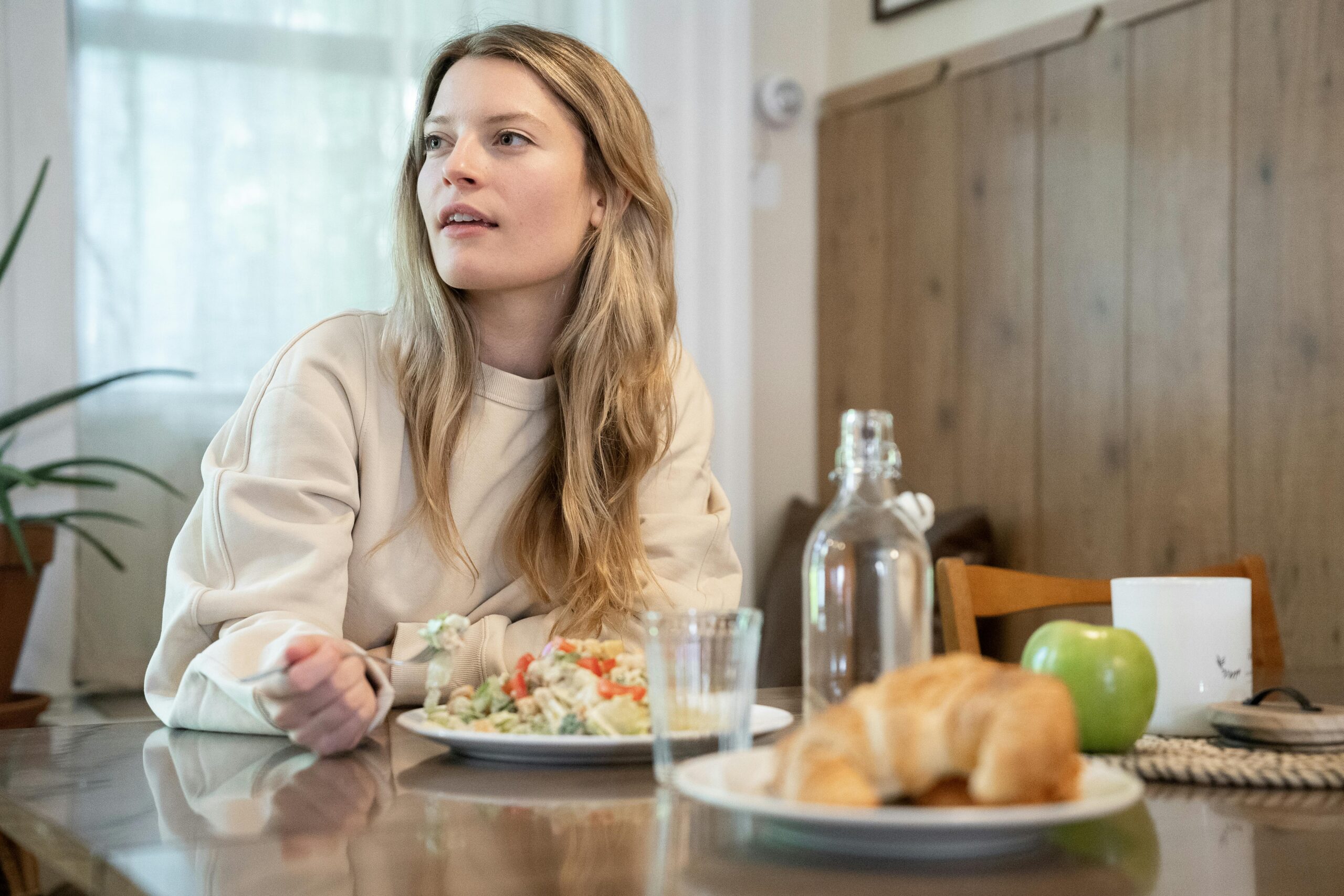
    When your period arrives, cravings often come along with it. You may find yourself reaching for chips, chocolate bars, or fast food. While these might bring short-term comfort, they can also worsen bloating, fatigue, and mood swings. The good news is that there are foods that feel comforting but still help your body during this time.

    Warm Soups and Stews
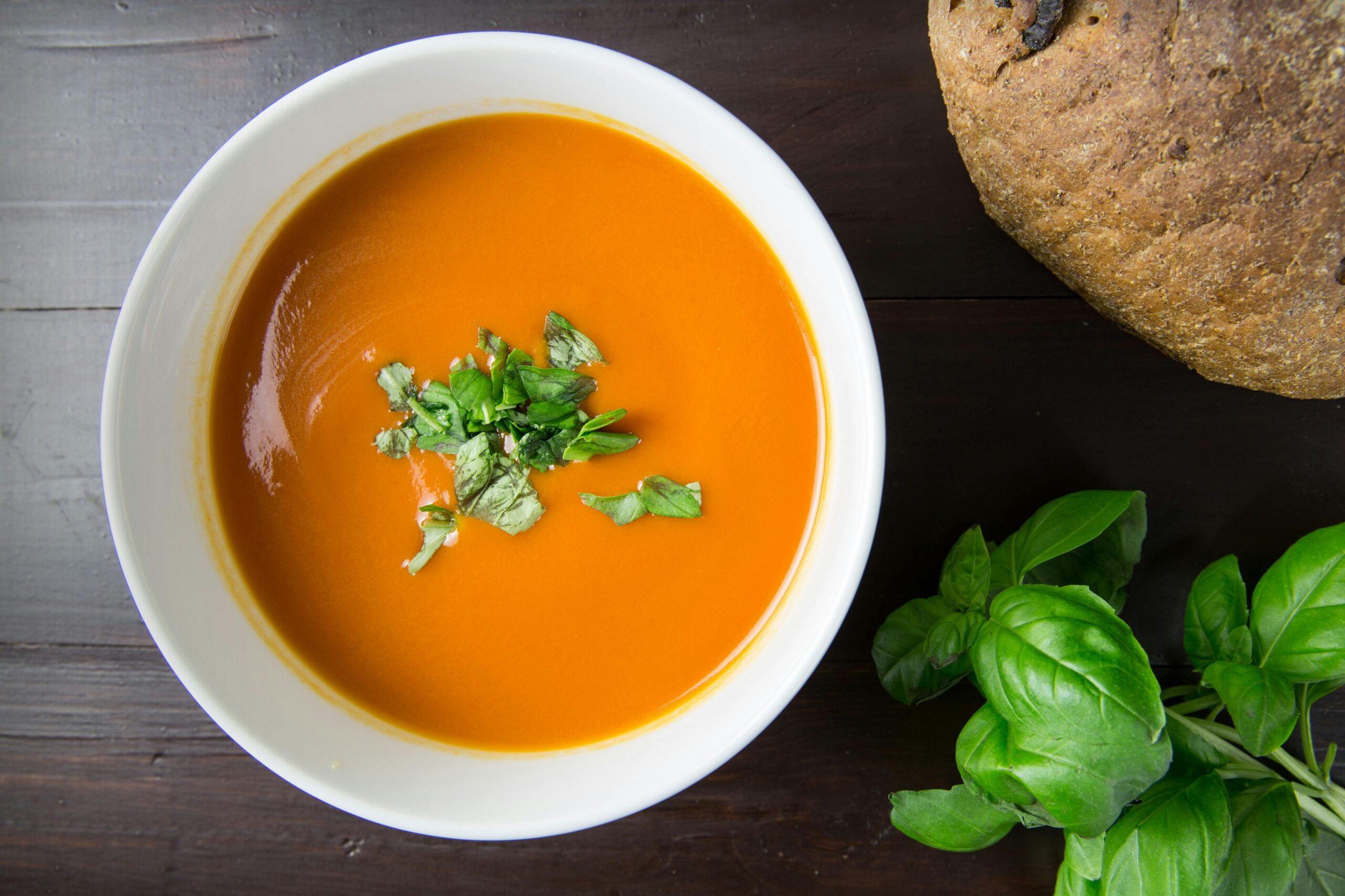
    A bowl of warm soup is soothing and easy to digest. Choose broth-based soups with lots of vegetables and lean protein like chicken or lentils. The warmth relaxes muscles, and the nutrients support your energy levels.

    Dark Chocolate
    Yes, you can still enjoy chocolate! Dark chocolate with at least 70% cocoa is rich in magnesium, which can reduce cramps and improve mood. Pair a square or two with some nuts for a satisfying and healthy snack.

    Smoothies with Greens and Fruit
    If your appetite feels low, a smoothie is an easy way to pack in nutrients. Blend spinach, banana, berries, and almond milk for a tasty drink that’s full of vitamins, iron, and fiber.

    Herbal Teas
    Instead of coffee, try teas like chamomile or peppermint. They soothe cramps, help with digestion, and reduce stress levels.

    Comfort food doesn’t have to mean junk food. Choosing warming, nutrient-rich meals will not only satisfy your cravings but also help you feel more balanced and energized throughout your cycle.

  • Self-Care Practices to Make Your Cycle More Comfortable

    Self-Care Practices to Make Your Cycle More Comfortable

    Periods are a perfect time to focus on yourself. Small self-care practices can significantly improve mood, energy, and overall well-being. Brewing a warm herbal tea, practicing a short meditation, or dedicating time to hobbies are simple ways to nurture yourself during your cycle.

    Use this time to reflect on goals, organize your week, or celebrate small achievements. Your period is not only about managing physical symptoms—it can also be a moment for mental clarity and relaxation.

    Even minor actions, like reading a book, listening to music, or taking a quiet walk, make a big difference. Prioritizing your comfort and happiness helps reduce stress and encourages mindfulness. By listening to your body and practicing self-care, you can transform your cycle into a time of empowerment, reflection, and balance.

  • How to Take Care of Yourself Every Month

    How to Take Care of Yourself Every Month

    Taking care of yourself during your period goes beyond managing cramps. Comfortable clothing and regular changing of pads or tampons help you stay fresh, confident, and comfortable. Warm baths, heating pads, or gentle massages can ease tension, reduce discomfort, and provide relaxation when cramps are strong.

    Keeping a period kit with essentials like pads, tampons, pain relievers, snacks, and water ensures you are prepared wherever you are. Listening to your body is crucial: rest when needed, avoid overexertion, and pay attention to cravings or fatigue.

    Tracking your symptoms—cramps, mood swings, bloating, or energy levels—helps you understand your cycle and anticipate your body’s needs. Using this information allows you to plan meals, work, and self-care routines more effectively.

    Period wellness is about more than survival; it’s about planning, listening to your body, and prioritizing comfort. By creating habits that support both physical and emotional well-being, you can feel more confident, energetic, and balanced throughout your cycle every month.

  • How to Support Your Mental Health During Your Cycle

    How to Support Your Mental Health During Your Cycle

    Hormonal fluctuations during your period can affect your mood, concentration, and stress levels. Feeling emotional, anxious, or irritable is completely normal, but there are ways to support your mental well-being during this time. Mindfulness practices, like deep breathing, meditation, or guided relaxation, can help calm your mind and reduce anxiety.

    Journaling is a helpful tool for self-reflection. Writing down your thoughts and emotions allows you to track patterns, identify triggers, and manage mood swings more effectively. It can also help you feel in control when your emotions feel unpredictable.

    Physical activity, even light movement like walking or stretching, releases endorphins, which naturally elevate mood and reduce stress. Surrounding yourself with supportive friends and family can also help, as social connection plays an important role in mental well-being.

    Remember to practice self-compassion. Allow yourself rest, accept your emotions, and focus on small actions that make you feel nurtured and empowered. By incorporating mindful routines, gentle exercise, and self-care habits, you can maintain mental balance and feel more in control throughout your cycle.

  • 5 Simple Lifestyle Changes to Make Your Period Easier

    5 Simple Lifestyle Changes to Make Your Period Easier

    Periods can bring discomfort, fatigue, and mood swings, but small lifestyle habits can make a huge difference. Light exercise, such as walking, stretching, or yoga, boosts blood flow, reduces cramps, and releases endorphins, which naturally lift your mood. Even gentle activity is better than none.

    Sleep is another crucial factor. Lack of rest increases fatigue and irritability and can make cramps feel worse. Tracking your cycle allows you to anticipate symptoms, plan meals, and schedule rest or exercise accordingly.

    Be mindful of habits that can worsen discomfort. Excess caffeine, alcohol, and smoking can increase bloating, cramps, and irritability. Listening to your body is key: rest when needed, and avoid overexertion.

    Hydration is also important. Drinking water and herbal teas helps reduce bloating and keeps your body functioning optimally. And if you experience severe pain, heavy bleeding, or irregular cycles, consulting a healthcare provider is important for your health. Small, consistent habits create a smoother, healthier, and more manageable cycle every month.