Category: Topics for you

  • How Fertility Actually Works in the Cycle — What Tracking Apps Are Measuring

    How Fertility Actually Works in the Cycle — What Tracking Apps Are Measuring

    Fertility is not spread evenly across the menstrual cycle. Medical research confirms that pregnancy can only occur during a limited window each month, known as the fertile window. Understanding this window helps users make sense of the data collected by cycle-tracking apps.

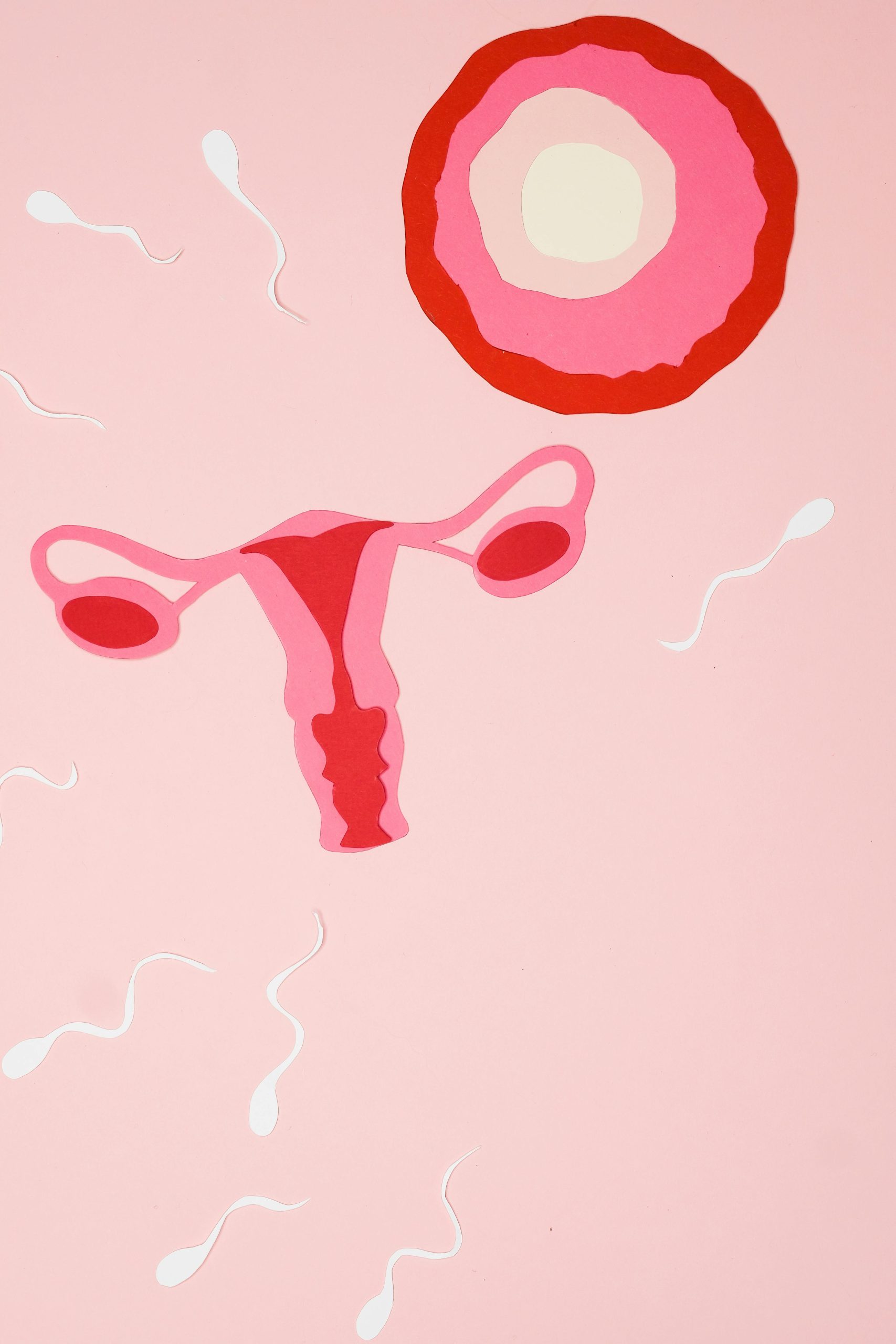
    The fertile window is defined as the days leading up to ovulation and the day of ovulation itself. Sperm can survive inside the female reproductive tract for up to five days, while an egg remains viable for about 12 to 24 hours after being released. This is why conception is possible only during this specific time frame.

    Ovulation is controlled by a surge in luteinizing hormone (LH), which causes the ovary to release an egg. Many tracking apps estimate ovulation by analyzing cycle length, but modern apps also use body signals such as basal body temperature and cervical fluid patterns.

    Basal body temperature rises slightly after ovulation due to progesterone. This change does not predict ovulation in advance, but it confirms that ovulation has already occurred. Over time, repeated temperature patterns help identify personal cycle rhythms.

    Cervical fluid is another important fertility marker. Before ovulation, estrogen causes the cervix to produce clear, slippery, and stretchy fluid. Medical research confirms that this type of fluid helps sperm survive and move more easily toward the egg. When this pattern appears in tracking data, it usually indicates the fertile window is open.

    Hormones also influence the cervix itself. During fertile days, the cervix becomes softer and higher, which supports sperm movement. After ovulation, progesterone thickens cervical fluid and closes the fertile window.

    Fertility tracking is not only for people trying to conceive. It also helps users understand when pregnancy is unlikely, recognize hormonal patterns, and detect irregular cycles.

    Doctors emphasize that cycle tracking provides information, not diagnosis. Patterns over several months are more meaningful than a single cycle. This is why consistent tracking is important.

    Understanding how fertility works allows users to interpret their app data with clarity instead of confusion. The cycle follows biological rules, and tracking simply helps reveal them.
  • A Small Medical Study Made Me Rethink Everything I Knew About My Cycle

    A Small Medical Study Made Me Rethink Everything I Knew About My Cycle

    Last year, while reading a short medical report shared by a women’s health researcher, I came across a simple but powerful idea: most women only experience their cycle, but few truly track its patterns beyond bleeding days. That sentence stayed with me.

    The study followed women who logged not only their period dates, but also sleep quality, digestion, mood, skin changes, and energy levels across several months. What researchers found was surprising—many symptoms women considered “random” followed very clear cycle-related patterns.

    Curious, I decided to try it myself. I started noting small details in my cycle: days when I felt confident, days when concentration was low, moments of bloating, or sudden creativity. Within two months, a pattern appeared. My low-energy days were predictable. My emotional sensitivity had timing. Even my headaches followed a rhythm.

    This awareness changed how I lived. I stopped blaming myself on low days and stopped overworking during high-energy phases. Instead, I began aligning tasks with my cycle. Planning, learning, and social activities felt easier when done at the right time.

    One insight from the study focused on inflammation levels. Researchers observed that inflammatory responses rise slightly before menstruation, which explains why joint pain, acne, and digestive discomfort often increase. This wasn’t “in my head”—it was measurable. Supporting the body with rest, anti-inflammatory foods, and hydration during that phase reduced symptoms significantly.

    Another discovery was about intuition and self-awareness. Many participants reported stronger emotional clarity during certain phases of their cycle. When listened to, these signals helped them make better decisions—not impulsive ones.

    What moved me most was realizing how little we are taught about this. The menstrual cycle is often reduced to bleeding days, while it actually influences the brain, metabolism, immune system, and emotions.

    This experience taught me that knowledge is not control—it’s freedom. When women understand their cycles, they stop fighting themselves. They begin cooperating with their biology.

    Your cycle is not a limitation. It’s a map. And once you learn how to read it, everything becomes clearer.

  • The Future of Menstrual Health: A Tiny Sensor That Tracks Hormones

    The Future of Menstrual Health: A Tiny Sensor That Tracks Hormones

    In 2025, researchers in Switzerland developed a small wearable sensor that tracks hormone levels through sweat — offering a new way to understand menstrual cycles in real time.

    This tiny device, worn like a patch, measures estrogen and progesterone fluctuations, helping women predict ovulation, PMS, and even signs of hormonal imbalance. It could revolutionize fertility awareness and cycle health management.

    Imagine checking your phone and seeing your hormone balance the way you see your heartbeat — no more guessing why you’re moody, tired, or bloated.

    This technology is still being tested, but it represents something bigger: a future where women’s bodies are finally studied, understood, and respected — not treated as mysteries.

  • The Secret Benefits of Tracking Your Period Beyond Fertility

    The Secret Benefits of Tracking Your Period Beyond Fertility

    Most people think period tracking is only for predicting fertility. But logging your cycle has many more benefits that can improve your health and lifestyle.

    Spotting Patterns
    Tracking helps you see when symptoms like headaches, acne, or mood swings occur. This makes it easier to prepare and manage them.

    Planning Ahead
    Knowing your cycle allows you to plan work, social events, or trips around days when you’re likely to feel more energized.

    Better Communication with Doctors
    If you ever need medical advice, having a record of your cycles and symptoms gives doctors clearer insight, speeding up diagnosis and treatment.

    Understanding Yourself
    Tracking reminds you that your cycle influences not just reproduction but also sleep, appetite, skin, and mood. This awareness helps you treat yourself with more patience and care.

    Your cycle is a window into your overall health. Tracking it consistently is like having a personal health diary — empowering and insightful beyond fertility planning.

  • Self-Care Practices to Make Your Cycle More Comfortable

    Self-Care Practices to Make Your Cycle More Comfortable

    Periods are a perfect time to focus on yourself. Small self-care practices can significantly improve mood, energy, and overall well-being. Brewing a warm herbal tea, practicing a short meditation, or dedicating time to hobbies are simple ways to nurture yourself during your cycle.

    Use this time to reflect on goals, organize your week, or celebrate small achievements. Your period is not only about managing physical symptoms—it can also be a moment for mental clarity and relaxation.

    Even minor actions, like reading a book, listening to music, or taking a quiet walk, make a big difference. Prioritizing your comfort and happiness helps reduce stress and encourages mindfulness. By listening to your body and practicing self-care, you can transform your cycle into a time of empowerment, reflection, and balance.

  • The Link Between Your Cycle and Creativity

    The Link Between Your Cycle and Creativity

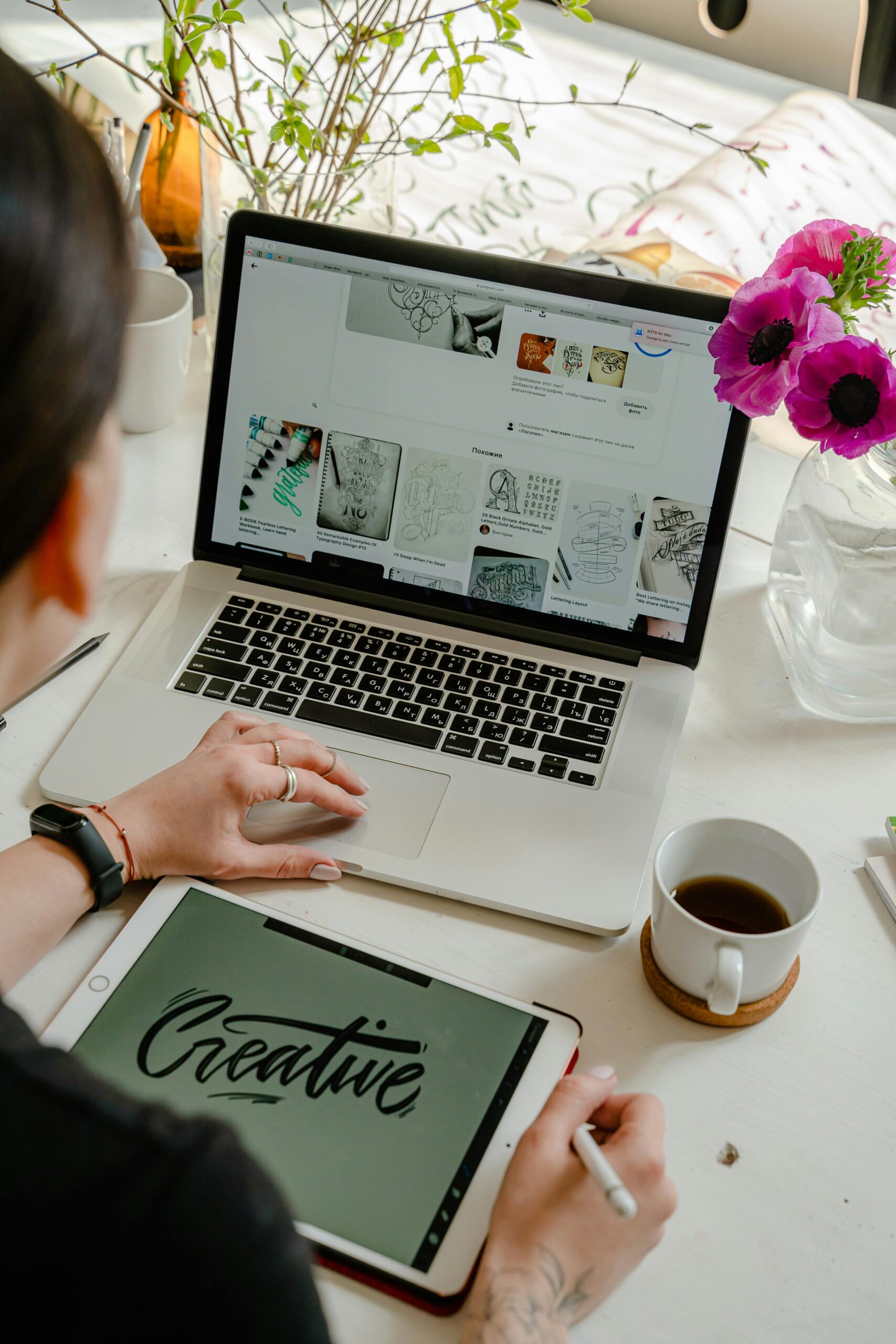
    Did you know your cycle can influence how creative you feel? Many women report that their imagination and problem-solving skills rise and fall with their hormonal rhythm.

    🎨 Creativity and the cycle:

    • Follicular phase (after your period): Energy rises, making it a great time to start new projects.
    • Ovulation phase: Confidence peaks — many women feel most expressive here.
    • Luteal phase (before period): Focus shifts inward. While energy dips, it’s often a time for deep, reflective creativity like writing or journaling.
    • Menstrual phase: Rest and reflection often bring unexpected clarity and inspiration.

    🌿 How to harness creativity:

    • Notice when ideas flow most easily and align your projects to those days.
    • Keep a notebook handy during low-energy times — your insights may surprise you.
    • Use creative outlets (drawing, cooking, journaling) as emotional support during PMS.

    Your cycle is not just about managing discomfort — it can also be a rhythm that enhances creativity. By embracing it, you align your mind and body in a powerful way.

  • How Your Period Cycle Affects Your Skin

    How Your Period Cycle Affects Your Skin

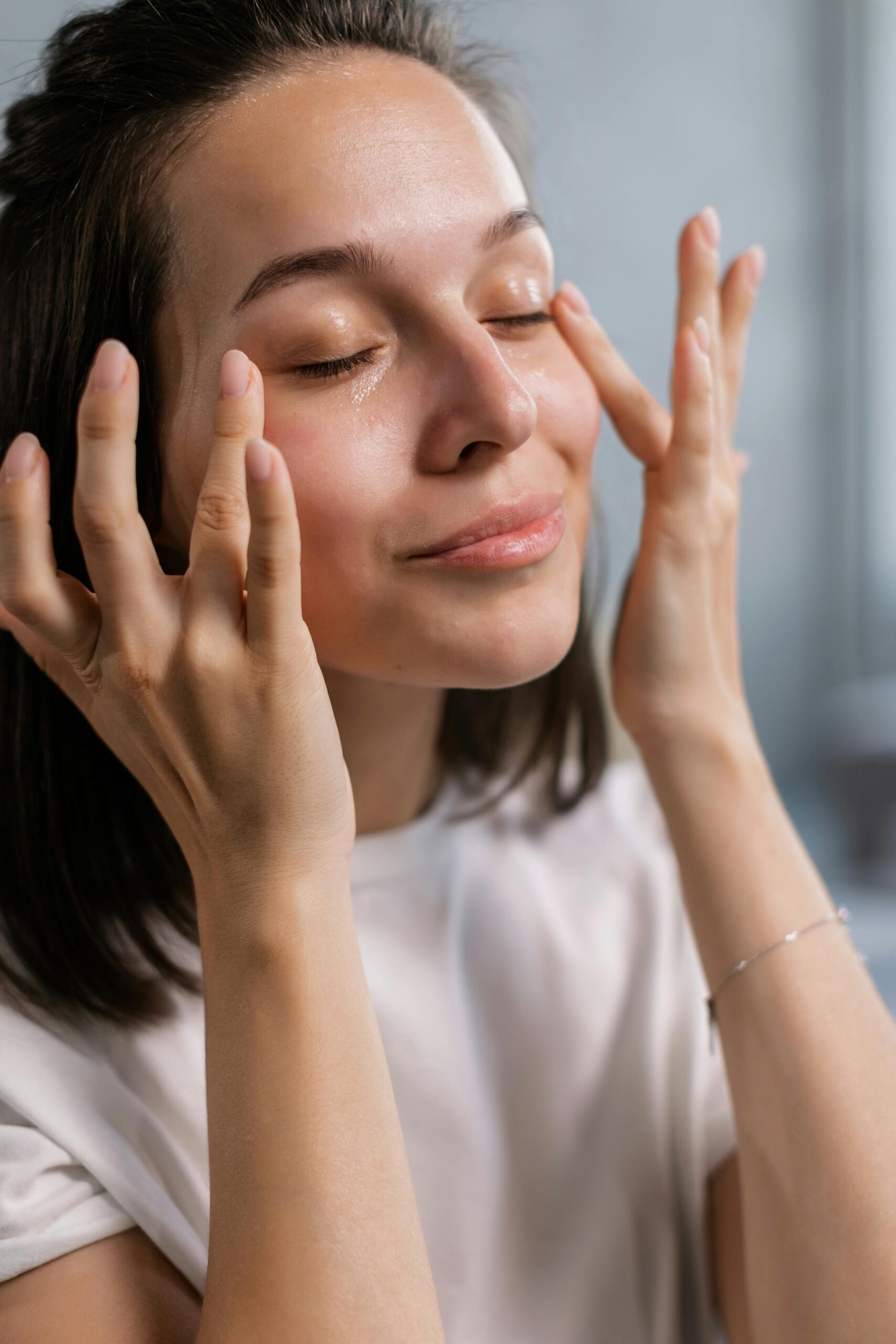
    Have you ever wondered why your skin looks radiant some weeks and then breaks out the next? It’s not just “bad luck” — it’s your menstrual cycle influencing your skin.

    🌱 Follicular Phase (after period):
    Estrogen rises, boosting collagen and hydration. Your skin looks clearer, smoother, and more glowy. Perfect time for skincare treatments.

    🌼 Ovulation Phase:
    Estrogen peaks. Blood circulation improves, making your cheeks naturally rosier. Many women call this their “glow phase.”

    🍂 Luteal Phase (before period):
    Progesterone increases oil production. Pores may clog, leading to pimples, blackheads, or oily patches. Skin may feel more sensitive.

    🌸 Menstrual Phase:
    Hormones drop. Skin may feel dull, dry, or more reactive. Redness and irritation are common.

    Cycle-aware skincare tips:

    • Use gentle, hydrating products during your period.
    • Add antioxidants and serums in the follicular phase when skin heals best.
    • During luteal phase, focus on cleansing and lightweight moisturizers to manage oil.
    • Always use SPF — your skin can be more photosensitive around ovulation.

    Your skin, like your mood and energy, is part of your cycle’s rhythm. Instead of being frustrated by sudden breakouts, start tracking them. You may find your skin has a calendar — and once you know it, you can work with it, not against it. ✨

  • Why Knowing Your Cycle Phases Can Change Your Life

    Why Knowing Your Cycle Phases Can Change Your Life

    Your period is just one part of a larger rhythm — your menstrual cycle. And when you understand your 4 cycle phases, you unlock a deeper connection to your body, energy, emotions, and even productivity.

    🌱 1. Menstrual Phase (Day 1–5)
    This is your period. Hormones are at their lowest. You might feel tired, introverted, and emotionally sensitive. Rest, reflect, and release.

    🌷 2. Follicular Phase (Day 6–13)
    Estrogen rises. You feel more energized, curious, and creative. This is a great time to plan, brainstorm, and try new things.

    🌼 3. Ovulation Phase (Day 14–16)
    You’re glowing! Confidence, libido, and communication skills are at a high. Perfect for interviews, dates, or socializing.

    🍂 4. Luteal Phase (Day 17–28)
    Estrogen drops, progesterone rises. You start feeling more inward, emotional, and reflective. PMS can show up here. Time to slow down and prep for your period.

    Learning to live with your cycle — instead of against it — changes everything. You’ll stop beating yourself up for feeling low energy or emotional. Instead, you’ll start honoring your natural rhythm.

    Try tracking your moods and energy for a few months. You’ll start to see patterns — and you can use those patterns to plan your life around your real self. It’s not “extra” — it’s smart, intuitive self-respect. 🌀💖

  • How to Make PMS Less Miserable — Your Gentle Toolkit

    How to Make PMS Less Miserable — Your Gentle Toolkit

    Premenstrual Syndrome (PMS) is more than just mood swings. For many of us, it’s a complex mix of emotional overwhelm, cravings, headaches, fatigue, bloating, and low confidence. It shows up like clockwork, making you feel like a different version of yourself — and not always a version you like.

    But PMS doesn’t have to feel like a punishment. With a few mindful habits, you can create a toolkit to soften the impact and ride the wave with more ease.

    🧰 Your PMS Toolkit:

    🫖 Magnesium + B6:
    These nutrients support mood, ease cramps, and help with sleep. Found in leafy greens, bananas, nuts, and whole grains — or available as gentle supplements.

    🧘 Daily movement:
    You don’t need to hit the gym. A 20-minute walk or yoga flow can help balance hormones and reduce PMS symptoms dramatically.

    💧 Hydration:
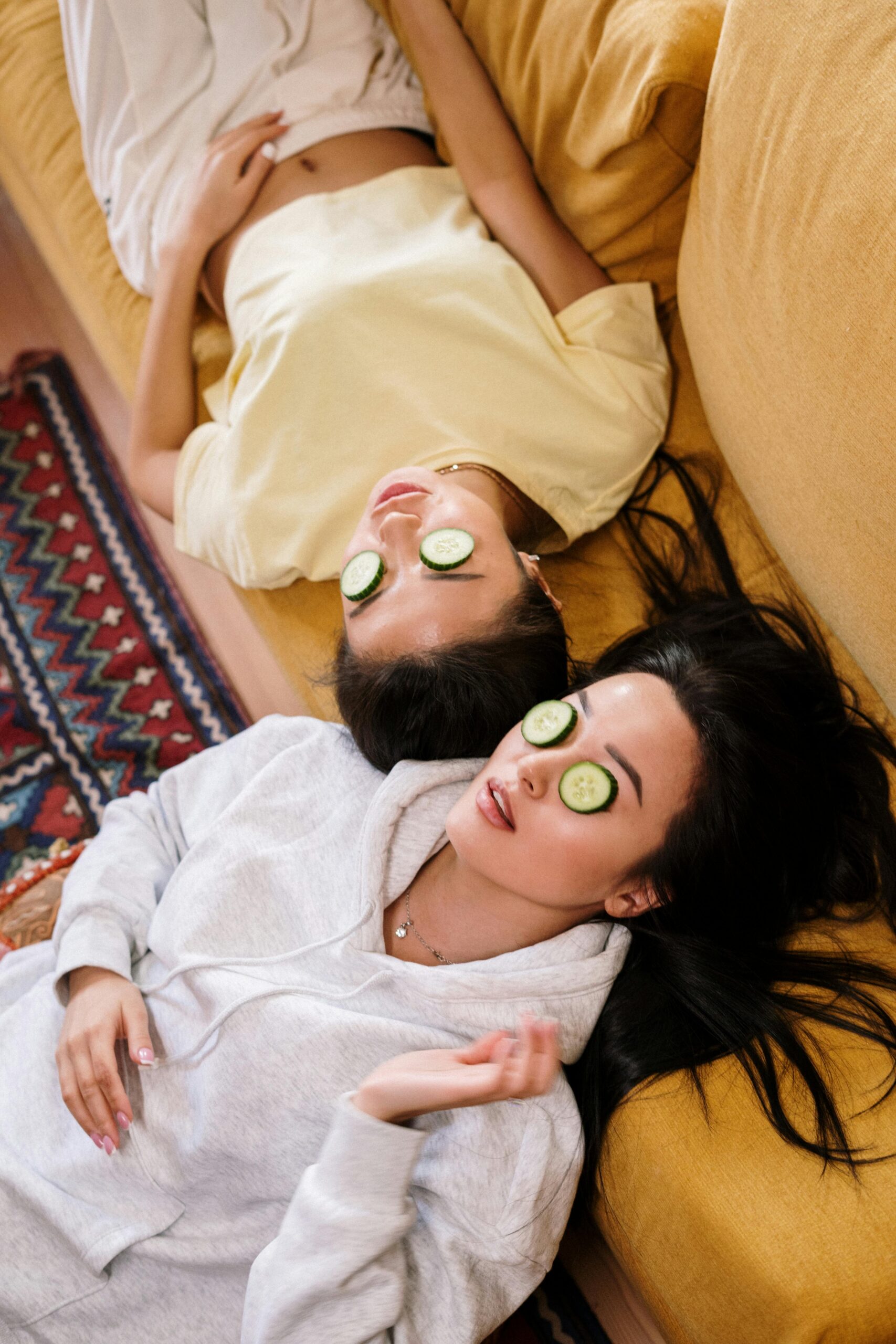
    Water helps reduce bloating and fatigue. Add lemon or cucumber to make it more inviting.

    🛌 Quality sleep:
    PMS can make sleep harder — but prioritizing rest is key. Try calming rituals like lavender tea, low lights, and screen-free time before bed.

    🍫 Smart snacking:
    Instead of fighting cravings, meet them halfway. Go for dark chocolate, roasted nuts, or a smoothie with dates and almond butter.

    🧠 Journaling + self-check-ins:
    This is the time when negative self-talk can get loud. Catch it early. Write it out. Remind yourself: “This is PMS talking. I am still me.”

    🌸 PMS isn’t your fault — and you don’t have to just suffer through it. When you understand your patterns and support your body with small acts of care, you create space for more balance and less struggle.

    You deserve to feel okay — every week of the month.

  • Cycle Syncing: How to Work With Your Hormones, Not Against Them

    Cycle Syncing: How to Work With Your Hormones, Not Against Them

    Have you ever noticed how your energy, motivation, and even confidence shift throughout the month? One week you’re productive and social, the next you’re tired and want to stay in bed. These changes are not random — they’re driven by your cycle. Learning to “cycle sync” — or align your lifestyle with your hormonal phases — can change how you feel, work, eat, and move.

    🌸 Here’s what syncing with your cycle looks like:

    1. Menstrual Phase (Days 1–5):
    🩸 You’re bleeding. Energy is low. Your body is using nutrients and energy to heal and reset.

    • Rest more, reflect, and go inward.
    • Gentle walks or yoga are best.
    • Eat warm, nourishing meals like soups or stews.

    2. Follicular Phase (Days 6–13):
    🌱 Estrogen is rising. You feel more clear-headed and energized.

    • Great time to plan, brainstorm, start new projects.
    • Try strength training or cardio.
    • Eat light, fresh foods like salads, grains, and seeds.

    3. Ovulation Phase (Day 14–16):
    🔥 Estrogen peaks. You’re at your most confident and social.

    • Schedule important meetings or social events here.
    • Energy is high — go for a full workout.
    • Focus on lean proteins and fiber-rich foods.

    4. Luteal Phase (Days 17–28):
    🌕 Progesterone rises. You may feel slower, more emotional.

    • Wrap up tasks, focus on comfort.
    • Go for light stretching or walks.
    • Choose complex carbs, magnesium-rich snacks, and warm teas.

    🌟 The more you align your habits with your hormones, the more ease and balance you’ll feel. Your cycle is not an obstacle — it’s your body’s guide.