Category: Period Wellness

  • The Hidden Connection Between Gut Health and Period Pain

    The Hidden Connection Between Gut Health and Period Pain

    A few months ago, a friend told me her cramps vanished after she started fixing her gut health. I didn’t believe her — until I tried it myself.

    I cut down on processed food, added probiotics and fiber, and focused on hydration. Within two cycles, the change was undeniable: less bloating, fewer cramps, better mood.

    Doctors now know the gut and hormones are deeply connected through the microbiome. When your gut bacteria are balanced, estrogen metabolizes better — preventing excess buildup that can worsen PMS and pain.

    So if you’re struggling with stubborn cramps, maybe it’s not just your uterus — maybe your gut is asking for help too.

  • The Hidden Link Between Hydration and Cramps

    The Hidden Link Between Hydration and Cramps

    A wellness coach noticed that many women who suffered from strong cramps also drank very little water during their period. When they increased their intake to 2–2.5 liters daily, their cramps became less severe and bloating decreased.

    Dehydration can make uterine muscles contract more strongly, worsening cramps. Water helps your body flush out sodium, reduce swelling, and support smoother muscle movement.

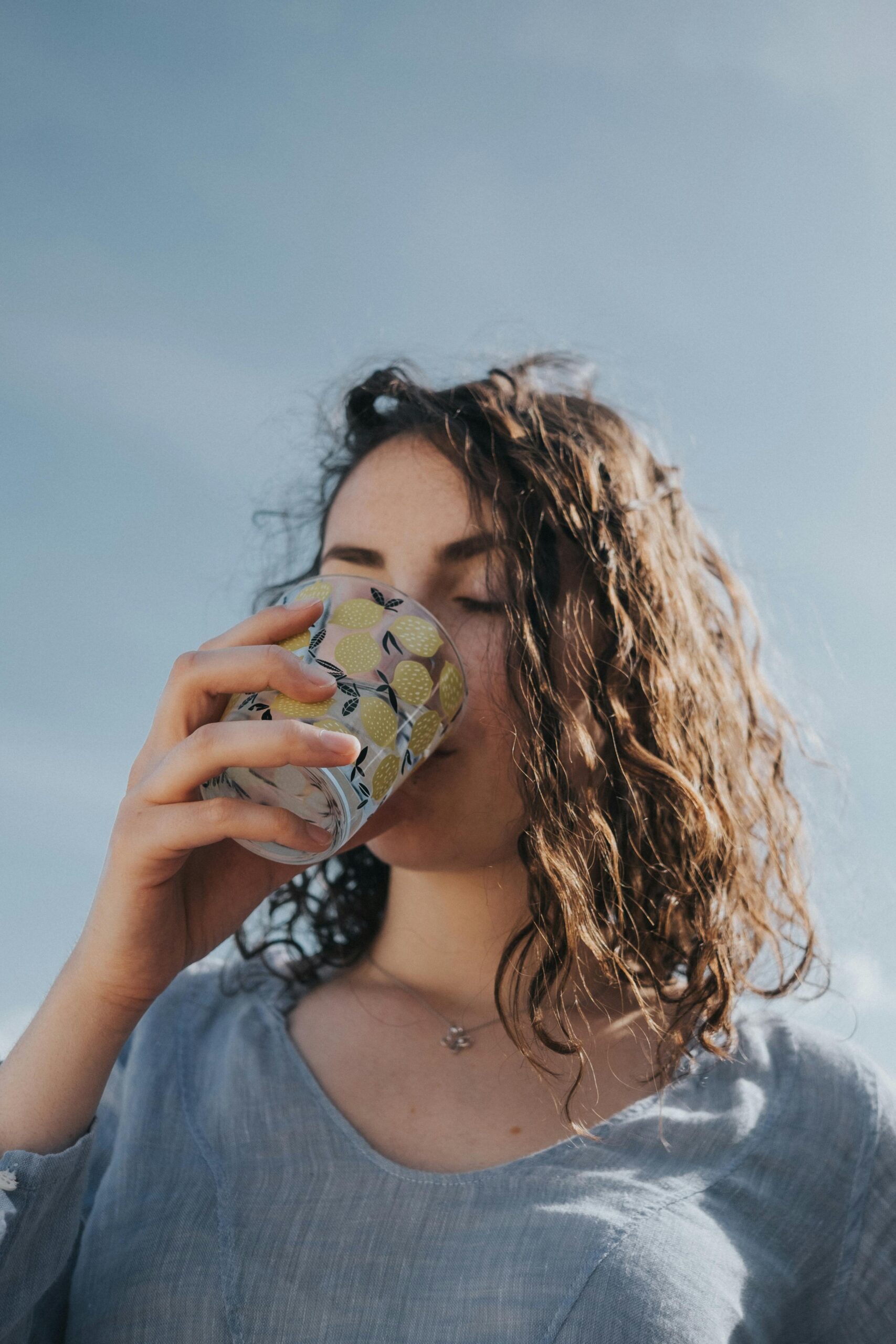
    Add slices of lemon, cucumber, or mint to your water if plain water feels boring. Hydration is not just about thirst — it’s a quiet form of care your body needs most during menstruation.

  • How to Take Care of Yourself Every Month

    How to Take Care of Yourself Every Month

    Taking care of yourself during your period goes beyond managing cramps. Comfortable clothing and regular changing of pads or tampons help you stay fresh, confident, and comfortable. Warm baths, heating pads, or gentle massages can ease tension, reduce discomfort, and provide relaxation when cramps are strong.

    Keeping a period kit with essentials like pads, tampons, pain relievers, snacks, and water ensures you are prepared wherever you are. Listening to your body is crucial: rest when needed, avoid overexertion, and pay attention to cravings or fatigue.

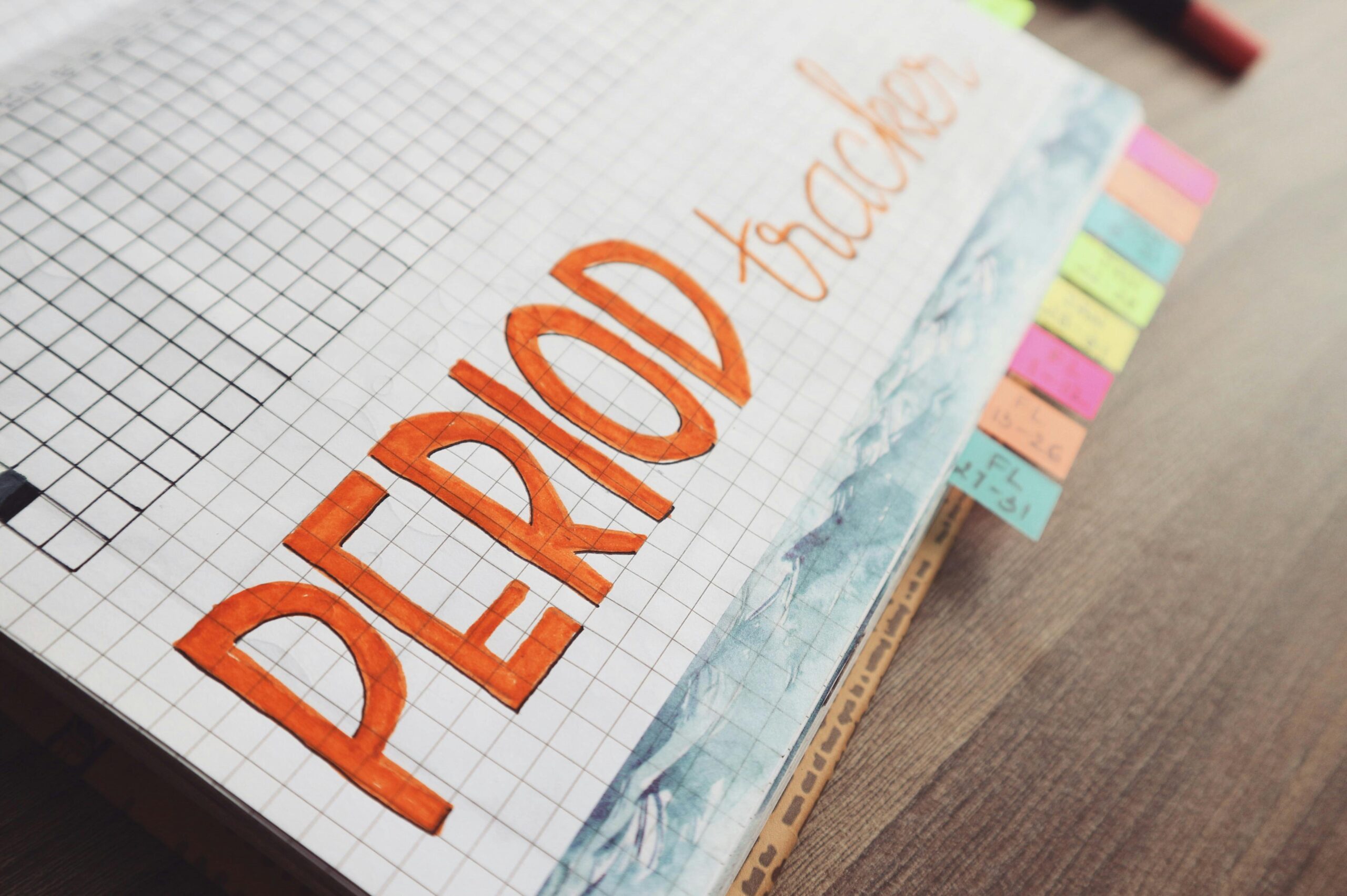
    Tracking your symptoms—cramps, mood swings, bloating, or energy levels—helps you understand your cycle and anticipate your body’s needs. Using this information allows you to plan meals, work, and self-care routines more effectively.

    Period wellness is about more than survival; it’s about planning, listening to your body, and prioritizing comfort. By creating habits that support both physical and emotional well-being, you can feel more confident, energetic, and balanced throughout your cycle every month.

  • Traveling on Your Period: Tips for Comfort and Confidence

    Traveling on Your Period: Tips for Comfort and Confidence

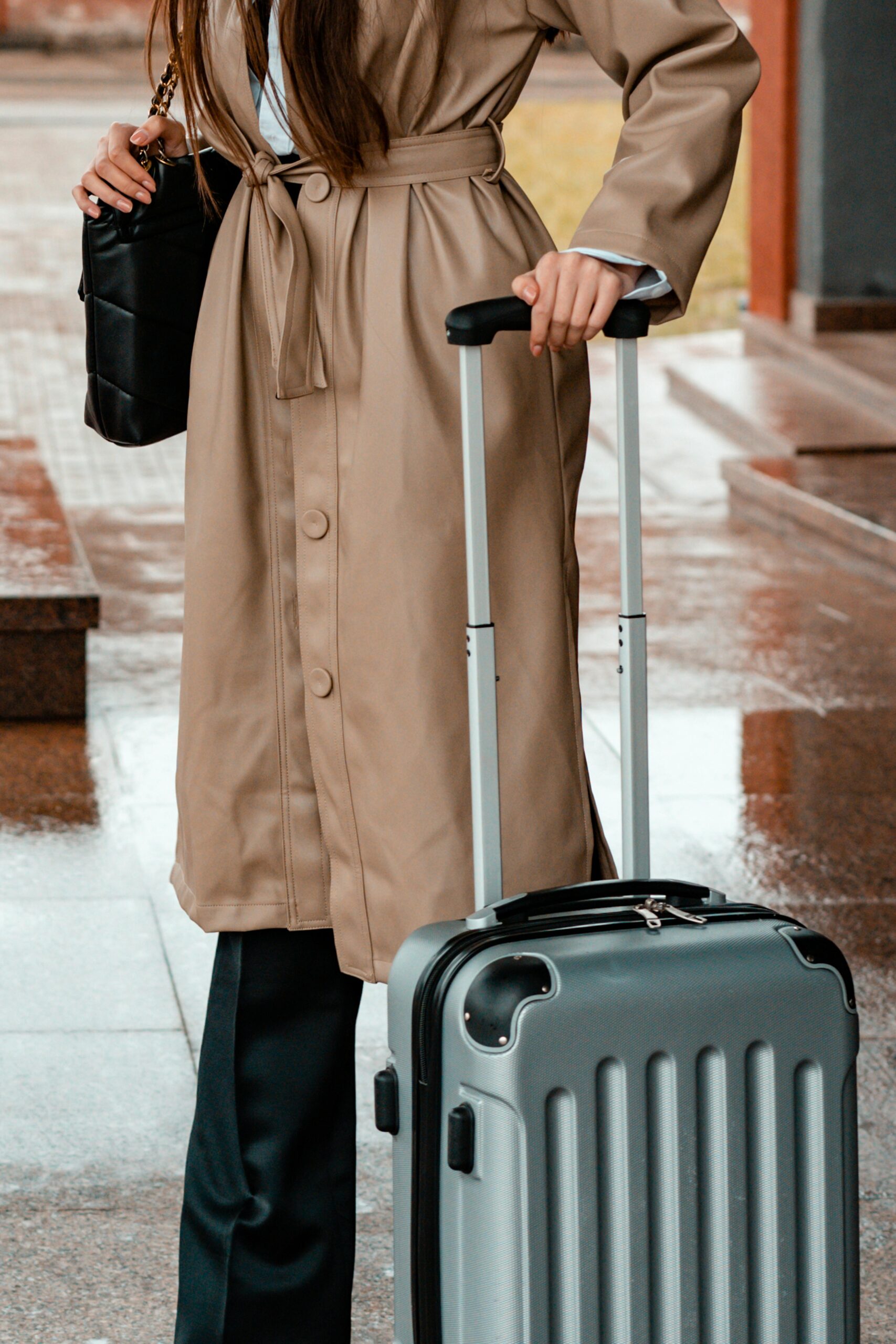
    Periods don’t always arrive at convenient times — sometimes, they show up right when you’re packing for a trip. While traveling during your period may feel stressful, a little preparation makes it much smoother.

    👜 Travel essentials:

    • Pads, tampons, or cups in more quantity than you think you’ll need.
    • A small pouch for discreet and organized storage.
    • Pain relief (herbal teas, a heat patch, or medication if needed).
    • Comfortable clothing, especially for long flights or car rides.

    🌿 On the road tips:

    • Stay hydrated: Travel often causes bloating — water helps.
    • Move when possible: Stretching reduces cramps and stiffness.
    • Plan restroom breaks: On long trips, know where bathrooms will be available.
    • Snack smart: Nuts, fruits, and dark chocolate help stabilize energy.

    Mindset shift:
    Instead of seeing your period as a trip “ruiner,” view it as an opportunity to practice self-care on the go. A prepared traveler is a confident traveler.

    With the right tools, your period doesn’t have to hold you back from adventure.

  • The Role of Gentle Movement in Period Care

    The Role of Gentle Movement in Period Care

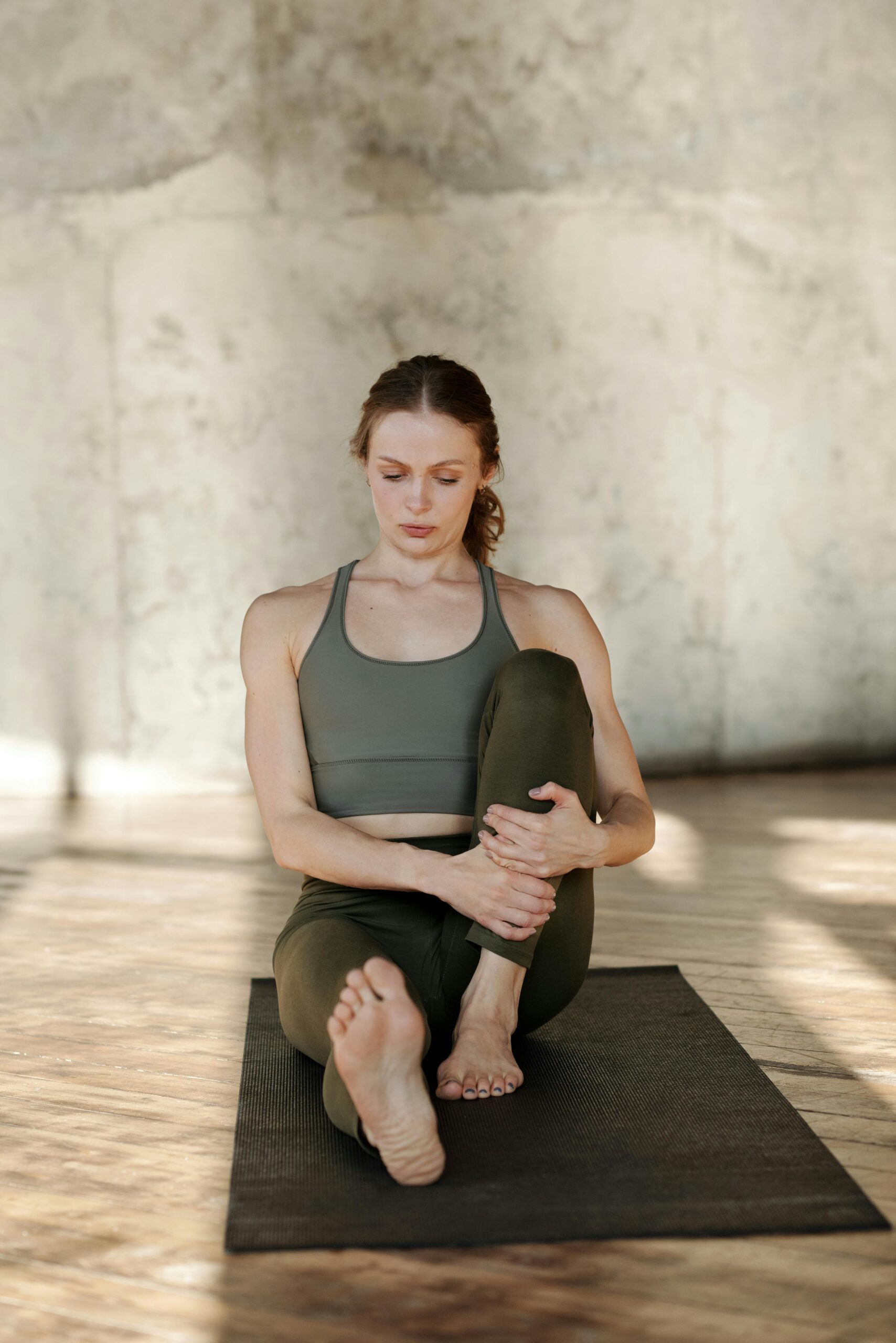
    When cramps hit, most women instinctively want to curl up and rest. Rest is important — but gentle movement can sometimes bring more relief than lying still. In fact, certain activities can ease discomfort, boost energy, and improve your overall period wellness.

    🧘 Why movement helps during your period:

    • Improves blood circulation, reducing cramps and bloating.
    • Releases endorphins, your body’s natural painkillers.
    • Supports digestion, easing constipation or sluggishness.
    • Reduces stress hormones, calming the nervous system.

    🌿 Best types of gentle movement:

    • Walking: Just 15 minutes outside can reduce fatigue and lift your mood.
    • Yoga: Poses like child’s pose, cat-cow, or reclining bound angle soothe cramps and lower back pain.
    • Stretching: Simple stretches before bed relax muscles and improve sleep.
    • Light strength training: Using small weights or body resistance can actually reduce PMS over time.
    • Swimming: If comfortable, the buoyancy eases pressure on joints and muscles.

    ⚠️ What to avoid:
    High-intensity workouts may increase inflammation or make cramps worse. Always listen to your body — some cycles call for rest, others for light movement.

    Period wellness is not about pushing through pain; it’s about finding balance. Moving your body gently is a gift you give yourself, reminding you that strength and softness can coexist.

  • Why Breathwork Can Be a Secret Tool for Period Relief

    Why Breathwork Can Be a Secret Tool for Period Relief

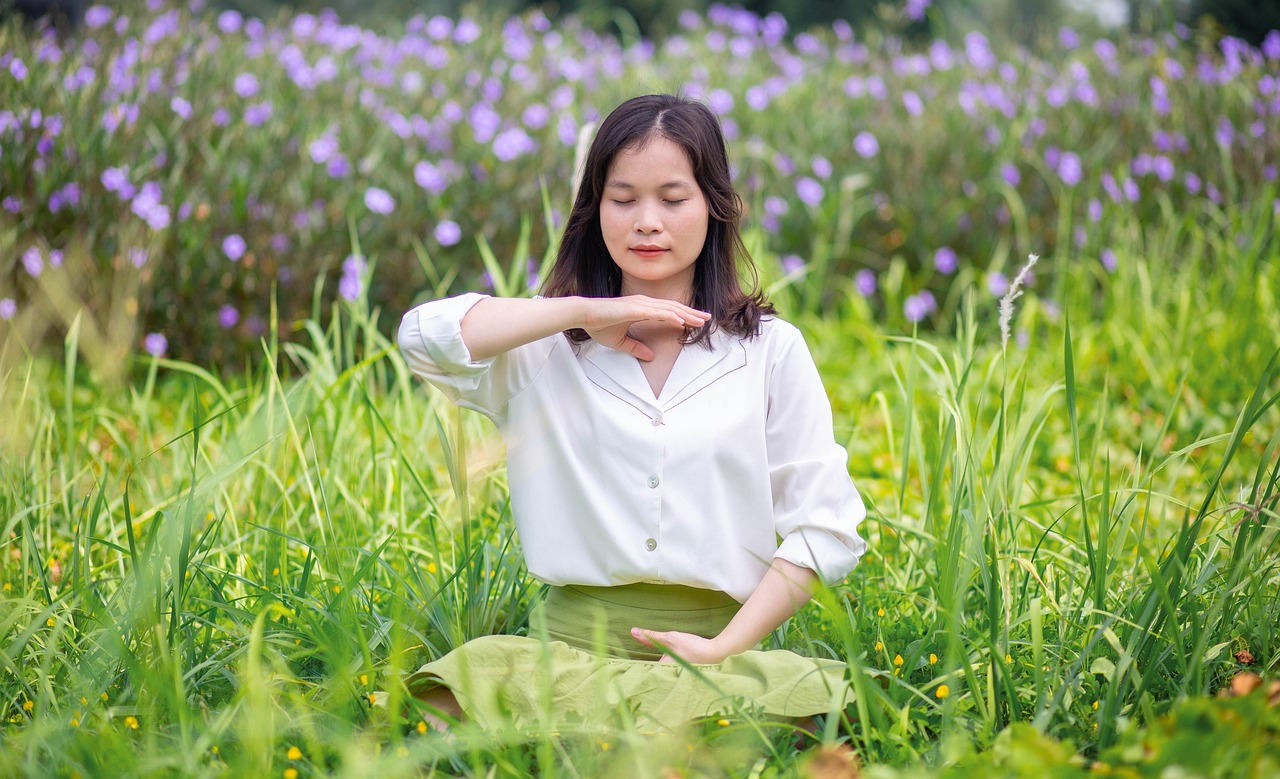
    When cramps strike, most of us reach for painkillers or heat packs. But there’s a natural tool that’s always with you, often overlooked: your breath.

    Your uterus is a muscle, and just like any other muscle, oxygen helps it relax. Shallow, stressed breathing keeps the body tense, which can make cramps worse. Deep, mindful breathing sends a signal of safety to your nervous system, easing pain and calming your mood.

    🌬️ Simple breathwork to try:

    1. Belly Breathing – Place your hand on your stomach. Inhale deeply through your nose, letting your belly rise, then exhale slowly. Repeat 5–10 times.
    2. 4-7-8 Technique – Inhale for 4 counts, hold for 7, exhale slowly for 8. Helps calm anxiety and relax tense muscles.
    3. Box Breathing – Inhale for 4, hold 4, exhale 4, hold 4. Repeat. This resets your nervous system.

    ✨ Benefits of breathwork during periods:

    • Reduces cramp intensity
    • Lowers cortisol (stress hormone)
    • Improves oxygen flow to muscles
    • Calms racing thoughts and irritability
    • Helps you feel grounded when emotions are intense

    You don’t need fancy equipment or lots of time. Just 5 minutes of intentional breathing can shift how you feel. Your breath is your built-in pain relief, waiting to be used. 🌸

  • Why You Should Track Your Period (Even If It’s Regular)

    Why You Should Track Your Period (Even If It’s Regular)

    If you already know when your period comes, you might wonder: “Why bother tracking it?” But tracking your cycle is about so much more than just knowing the start date.

    It’s a tool to understand your body, predict your moods, plan your life better, and even spot early signs of health issues. Your period is like a fifth vital sign — it can tell you what’s going on inside.

    📅 What you can learn by tracking your cycle:

    💥 Mood patterns:
    Do you feel more anxious before your period? More social during ovulation? When you track it, you see the pattern — and stop blaming yourself for feeling “off.”

    ❤️ Relationship patterns:
    Noticing arguments or emotional sensitivity at the same point in every cycle? That’s not random. Understanding these shifts can actually help your communication and self-awareness.

    🩸 Spotting irregularities:
    Late periods, spotting, painful cramps, or missing cycles could be signs of hormonal imbalance, thyroid issues, or even PCOS. Tracking helps you catch changes early.

    💪 Fitness and energy levels:
    Track when your workouts feel easier, or when your body needs rest. Align your exercise with your energy phases.

    🍽️ Appetite and cravings:
    Your metabolism changes through your cycle. Tracking helps you honor your body’s changing hunger without guilt.

    🧠 Mental clarity:
    Some phases bring more creativity and focus. Use this to schedule important projects or ideas.

    You don’t need a fancy app — even a notebook or calendar works. But if you do use an app, go for one that understands your hormones, not just your bleed days.

    Knowledge is power. And when you understand your cycle, you understand yourself. 🌙

  • How a Warm Compress Can Change Your Period Experience

    How a Warm Compress Can Change Your Period Experience

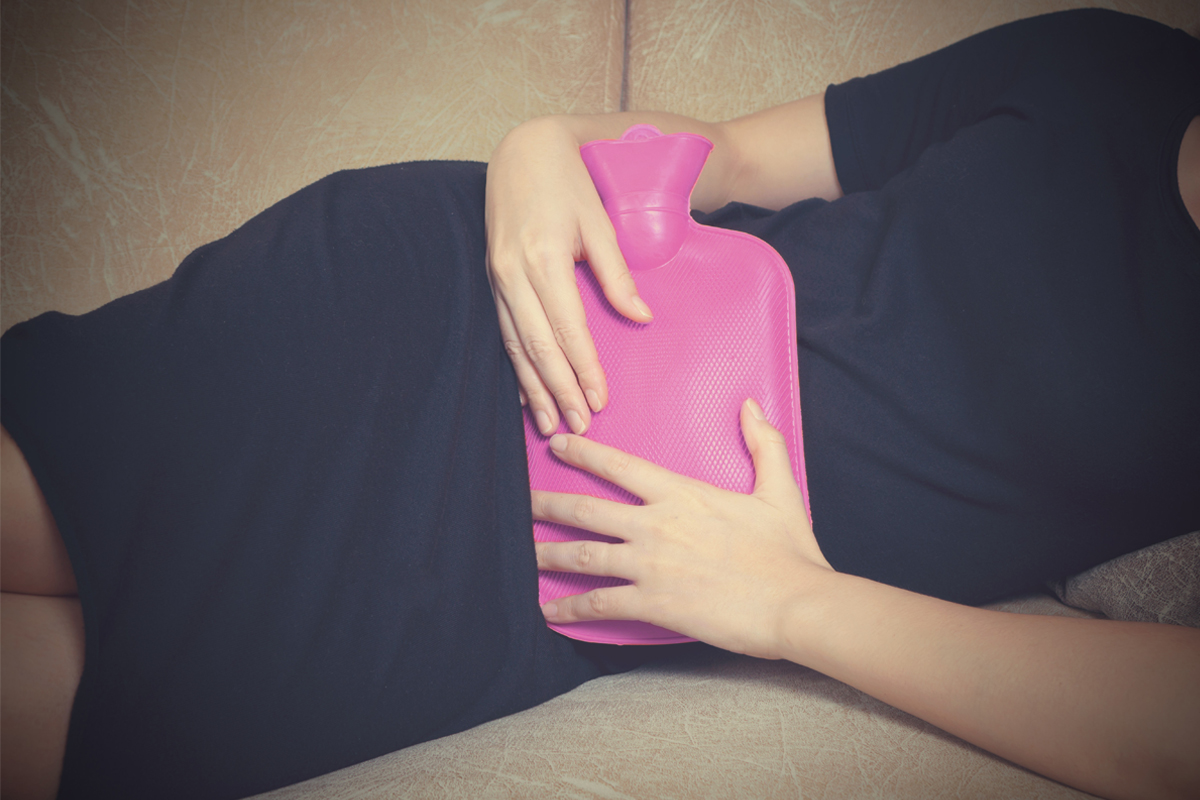
    When cramps hit hard, sometimes you just want instant relief. One of the most powerful and underrated tools? A simple warm compress. Whether it’s a hot water bottle, heating pad, or a warm towel — this basic trick can make a huge difference in how you experience your period.

    🔥 Here’s why it works:

    • Heat increases blood flow, which helps relax the uterine muscles
    • It reduces the intensity of cramps and spasms
    • Helps relieve lower back pain
    • Calms the nervous system, easing both physical and emotional tension

    ✨ How to use it effectively:

    • Place on your lower belly or lower back for 15–20 minutes
    • Combine with deep breathing or a short rest
    • You can also use a warm rice sock or even a warm bath for full-body relief
    • Add essential oils like lavender or clary sage to the compress for a soothing aromatherapy boost

    Tip: Use it before the pain gets intense. If you track your period and know when cramps usually start, apply heat early to stay ahead of discomfort.

    And don’t feel guilty for resting with a hot compress. That’s not “laziness” — it’s intelligent, loving self-care. Your body is working hard. You deserve comfort and ease. 🌸🛌

  • The Power of Gentle Movement During Your Period

    The Power of Gentle Movement During Your Period

    When you’re cramping and tired, working out is probably the last thing on your mind — but guess what? Gentle movement during your period can actually help you feel better faster.

    Exercise doesn’t mean high-intensity workouts. It means moving your body with love — even if that’s just stretching in bed or a short walk around the block.

    💡 Moving your body during menstruation helps:

    • Reduce cramps by improving blood flow
    • Release endorphins (your body’s natural painkillers)
    • Ease bloating
    • Improve your mood
    • Boost your energy

    🚶‍♀️ Try these period-friendly movements:

    • Yoga (especially poses that relax the lower belly and hips)
    • Walking at a slow or moderate pace
    • Gentle dancing around your room to music you love
    • Foam rolling or stretching to ease tightness

    Avoid:
    ❌ High-impact cardio if you feel exhausted
    ❌ Heavy lifting if you’re cramping
    ❌ Forcing yourself to train when your body is clearly asking for rest

    The key is listening to your body. Some cycles, you’ll have energy to move more. Others, not so much — and that’s completely okay.

    Exercise should be supportive, not punishing. And during your period, it becomes a form of self-care. So, next time you’re curled up in discomfort, ask yourself — “What’s the kindest way I can move today?” 🌿

  • How to Sleep Better on Your Period — and Why It Matters

    How to Sleep Better on Your Period — and Why It Matters

    Have you ever noticed that it’s harder to fall asleep — or stay asleep — during your period? You’re tossing and turning, your back or stomach hurts, and your mind won’t stop racing. Sleep disturbances are extremely common during menstruation due to hormonal fluctuations, physical discomfort, and mood changes.

    The truth is, quality sleep is crucial during your period. Your body is doing extra work: shedding the uterine lining, regulating hormone levels, and repairing tissue. Without enough sleep, everything feels worse — your cramps, your mood, your energy, even your cravings. But with the right adjustments, you can make bedtime your healing time.

    🌙 Tips to Sleep Better on Your Period:

    1. Stick to a wind-down routine. Try dimming lights, reading, or listening to calming music 30 minutes before bed.
    2. Use heat. A warm water bottle or heating pad on your lower abdomen can relax your muscles and help you fall asleep faster.
    3. Sleep in the fetal position. This posture relieves pressure from the abdominal muscles and can ease cramps.
    4. Avoid caffeine after 2 PM. Even a small amount can interfere with your body’s ability to relax.
    5. Stay cool. Your body temperature rises slightly during menstruation, so a cooler room and light sheets can help.
    6. Consider magnesium. This mineral supports sleep and reduces period pain. It’s found in nuts, dark chocolate, and leafy greens — or as a gentle supplement.

    🛌 Create a Ritual:
    Add a lavender spray to your pillow, keep your phone away, and wear comfy clothes that don’t press on your belly. Even lighting a candle before bed can signal your body it’s time to slow down.

    Better sleep isn’t a luxury — it’s part of your healing. Treat your bedroom like a sanctuary, and give your body the rest it truly deserves every cycle.