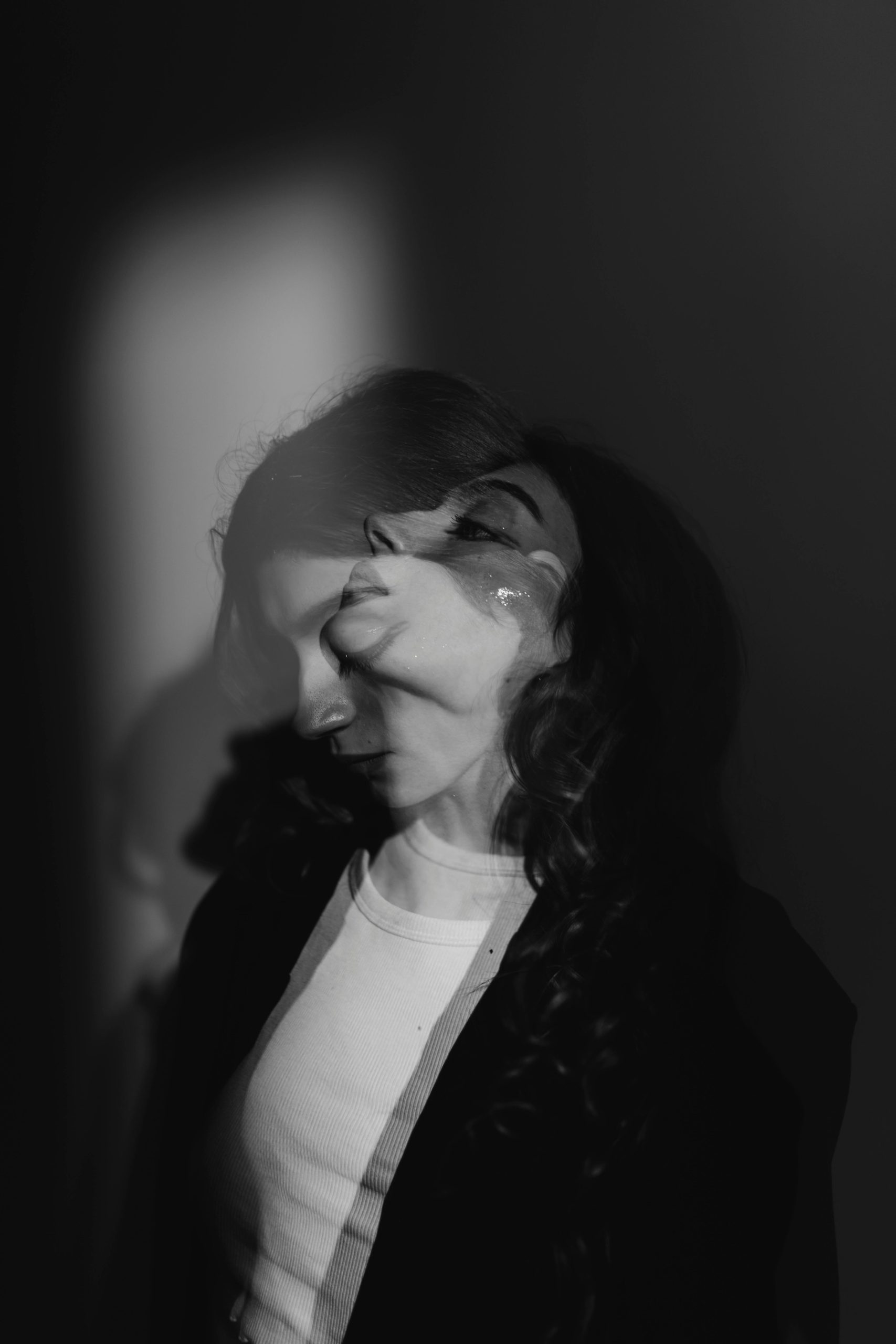
Category: Mental Health

  • I Tried Cycle Syncing My Self-Care — and It Changed My Mental Health

    I Tried Cycle Syncing My Self-Care — and It Changed My Mental Health

    For years, I treated my cycle as something to “get through.” But last year, I discovered the idea of cycle syncing — adjusting my habits based on my hormonal phases — and it changed everything.

    During my follicular phase, I focused on creativity and planning; in ovulation, I met friends and worked on presentations; during my luteal phase, I slowed down, cooked at home, and journaled. And on my period days, I rested without guilt.

    Within three months, my anxiety and mood swings improved dramatically. I realized my body had been asking for rhythm, not restriction. Understanding my hormonal flow helped me schedule my life around my energy, not against it.

    Now, when my period comes, I don’t dread it. I prepare for it — like I would for a quiet weekend with myself.

  • What One Week of Digital Detox Did to My PMS Mood

    What One Week of Digital Detox Did to My PMS Mood

    A blogger decided to go on a digital detox for one week before her period — no social media, no late-night scrolling. She noticed a big difference: fewer mood swings, better sleep, and less anxiety.

    Experts explain that screen time increases cortisol, the stress hormone. When reduced, your brain produces more serotonin, helping you feel calm and balanced.

    So, if PMS makes you emotionally tired or sensitive, try logging off for a few days. Replace scrolling with journaling, stretching, or going for a walk. Your body — and mind — will thank you.

  • How to Support Your Mental Health During Your Cycle

    How to Support Your Mental Health During Your Cycle

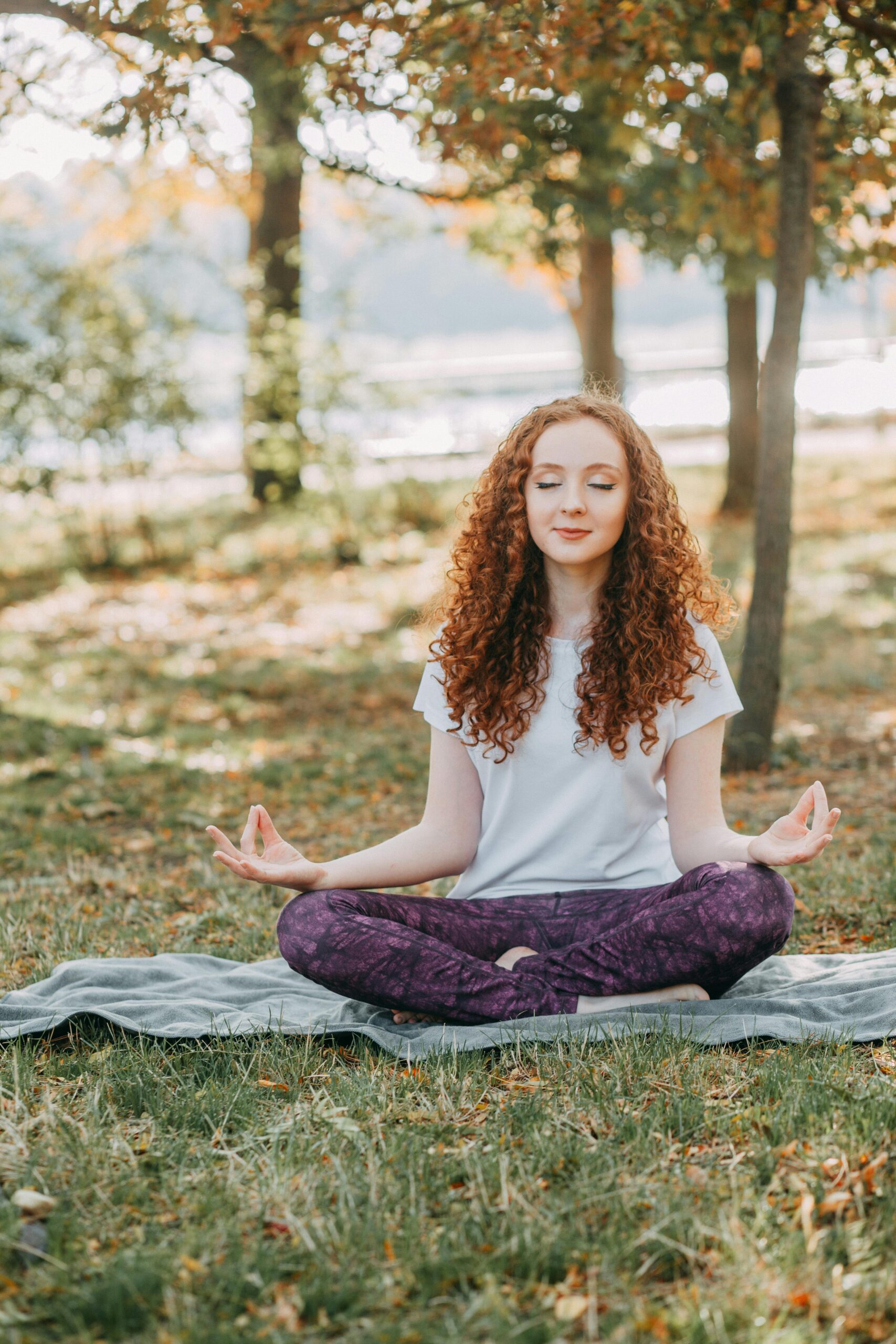
    Hormonal fluctuations during your period can affect your mood, concentration, and stress levels. Feeling emotional, anxious, or irritable is completely normal, but there are ways to support your mental well-being during this time. Mindfulness practices, like deep breathing, meditation, or guided relaxation, can help calm your mind and reduce anxiety.

    Journaling is a helpful tool for self-reflection. Writing down your thoughts and emotions allows you to track patterns, identify triggers, and manage mood swings more effectively. It can also help you feel in control when your emotions feel unpredictable.

    Physical activity, even light movement like walking or stretching, releases endorphins, which naturally elevate mood and reduce stress. Surrounding yourself with supportive friends and family can also help, as social connection plays an important role in mental well-being.

    Remember to practice self-compassion. Allow yourself rest, accept your emotions, and focus on small actions that make you feel nurtured and empowered. By incorporating mindful routines, gentle exercise, and self-care habits, you can maintain mental balance and feel more in control throughout your cycle.

  • Why Your Cycle Can Affect Confidence — and How to Reclaim It

    Why Your Cycle Can Affect Confidence — and How to Reclaim It

    Have you ever felt unstoppable one week, then self-conscious the next? This shift often isn’t about your personality changing — it’s about your cycle. Hormones affect not just your body but also your confidence and self-image.

    The confidence rollercoaster:

    • During ovulation, estrogen peaks, and many women feel energetic and outgoing.
    • In the days before your period, estrogen and progesterone drop, sometimes leaving you doubting yourself or feeling more sensitive.
    • During menstruation, fatigue and discomfort may lower your motivation.

    🌿 How to support your confidence:

    • Positive reminders: Keep affirmations or notes where you see them. A gentle “I am enough” can shift your mindset.
    • Dress for comfort and confidence: Wearing something cozy and flattering can instantly boost how you feel.
    • Plan smartly: Schedule big tasks or social events during the high-confidence days, and allow more rest during the lows.
    • Gentle self-talk: Remind yourself that dips are temporary, not permanent truths.

    Your confidence is not “fake” when it dips — it’s your biology. By learning your rhythm, you can meet yourself with kindness and know when to push forward and when to nurture.

  • The Hidden Link Between PMS and Self-Criticism

    The Hidden Link Between PMS and Self-Criticism

    Have you ever noticed that right before your period, your inner critic gets louder? Suddenly, you doubt yourself more. You replay old mistakes. You feel “not good enough.” This isn’t just in your head — it’s part of how hormones influence your brain.

    In the luteal phase, lower estrogen and serotonin make the brain more sensitive to negative thoughts. This doesn’t create new insecurities — it amplifies ones already there. That’s why you may notice:

    • Harsh self-talk
    • Comparing yourself more to others
    • Feeling like nothing you do is “enough”
    • Wanting to withdraw because of shame or embarrassment

    How to cope:

    • Awareness is power. Write down when these thoughts appear. You’ll see the pattern repeat monthly.
    • Name your critic. Some women call it “my PMS voice.” Separating it helps you recognize it’s temporary, not truth.
    • Use compassionate counter-statements. Example: When the thought is “I’m failing as a mom/friend/partner,” answer: “I’m cycling. My worth isn’t defined by this week.”
    • Plan uplifting activities. Schedule lighter, more joyful tasks during this phase — don’t push yourself into high-stress environments.

    Your PMS brain isn’t lying about who you are — it’s filtering reality through a hormonal lens. Remember: the way you talk to yourself during this sensitive time sets the tone for how you emerge when your energy returns. Treat yourself like someone you love. 🤍

  • The PMS Mood Rollercoaster Is Real — And You’re Not Alone

    The PMS Mood Rollercoaster Is Real — And You’re Not Alone

    Do you ever feel like your emotions spiral out of control before your period? One moment you’re fine, the next you’re crying over a commercial or snapping at someone you love? That emotional rollercoaster is PMS in full swing, and it’s a lot more common than people think.

    PMS doesn’t just affect your body — it directly influences your brain chemistry, especially how you regulate stress, frustration, and sadness.

    🌀 You might feel:

    • Suddenly anxious or restless
    • Extremely sensitive to criticism
    • Down or disconnected from yourself
    • Overwhelmed by small tasks
    • Like you want to isolate

    It’s not “just hormones” — it’s real emotional intensity. And no, you’re not overreacting.

    🧘‍♀️ Here are gentle ways to manage PMS mood swings:

    • Name your feelings — saying “I feel fragile today” is powerful
    • Reduce pressure — it’s okay to postpone heavy tasks or social plans
    • Nourish your nervous system: magnesium, vitamin B6, and warm, grounding foods help
    • Journaling or voice memos to yourself can release emotional tension
    • Move your body — walking or yoga supports hormone balance and lifts mood

    You’re allowed to be tender. You’re allowed to feel deeply. And you’re absolutely not alone. Many women go through this — we just don’t talk about it enough. Speak kindly to yourself during this phase, like you would to a dear friend. You’re doing better than you think. 🤍

  • Period Guilt: Let’s Talk About Why You Don’t Have to “Be Productive” All the Time

    Period Guilt: Let’s Talk About Why You Don’t Have to “Be Productive” All the Time

    Do you ever feel guilty for not getting “enough” done during your period? Like you should be pushing through the pain, showing up the same way, doing everything on your list… even when your body is clearly asking for rest?

    Welcome to period guilt — the quiet pressure many of us carry to stay productive, even when we’re bleeding, cramping, and emotionally overwhelmed.

    But here’s the truth: your body is in a natural low-energy phase. It’s shedding the uterine lining, experiencing hormonal drops, and spending resources on repair and reset. In traditional societies, women used to rest during menstruation — and now, we’re expected to pretend it’s business as usual?

    💛 You do not have to perform the same way every day.
    Your productivity does not define your worth.
    You are allowed to have slower days.
    You are allowed to say no.
    You are allowed to rest.

    Imagine if we honored our cycles the same way we honor sleep at night. We wouldn’t feel lazy for lying down at 10 PM — we’d understand it’s part of being human. So why do we shame ourselves for needing a break during menstruation?

    🌿 What you can try instead:

    • Change your inner voice. Replace “I’m so lazy” with “I’m respecting my body.”
    • Reschedule tasks. Save intense work for your follicular or ovulation phase.
    • Ask for help or lighten your load.
    • Celebrate small wins like cooking a meal, taking a walk, or just surviving the day.

    Let’s break the cycle of guilt. Productivity will always come back — but your body needs your respect, not your pressure. Rest is not a weakness. It’s a rhythm.

  • The Period Blues Are Real — Here’s How to Be Kinder to Yourself Emotionally

    The Period Blues Are Real — Here’s How to Be Kinder to Yourself Emotionally

    There are days in your cycle where you may feel like everything is heavier: your mood, your thoughts, your body, even your energy. Maybe you wake up already irritated, or maybe you feel like crying for no clear reason. Maybe you snap at someone you love and then feel bad about it. This is not in your head — it’s the effect of hormonal shifts on your emotional landscape. It’s real, and you’re not alone.

    During the luteal phase (the days before your period), estrogen and serotonin levels drop, which can affect your emotional balance. You may feel more sensitive, anxious, or down. On top of that, cramps, bloating, and lack of sleep can make it even harder to cope. But here’s the thing: you don’t have to “push through” or beat yourself up.

    🌸 Here’s how to be gentle with yourself:

    • Acknowledge what you’re feeling without judgment. Write it down, say it aloud, or just sit with it.
    • Talk to someone you trust. “I’m in my PMS days and feeling off” is enough — no need to explain everything.
    • Reduce the pressure. You don’t have to do it all today. Give yourself permission to rest, say no, or take it slow.
    • Do something small that brings you joy — even if it’s just watching a cozy movie or taking a short walk.
    • Avoid doom-scrolling and comparison. Social media during PMS can make you feel worse — be mindful of what you consume.

    💛 Self-compassion is key.
    You are not your thoughts or your worst mood. You are a whole person with changing rhythms — and those rhythms are natural. Instead of fighting your emotional waves, try to surf them with love and understanding.

    You’re allowed to have off days. You’re allowed to be soft. And most importantly, you’re allowed to take care of your emotional world just as much as your physical one.

  • Why You Feel Extra Emotional Before Your Period — and How to Cope

    Why You Feel Extra Emotional Before Your Period — and How to Cope

    Ever cried over something small and then realized your period was a few days away? You’re not alone. PMS-related mood swings and emotional sensitivity are real, and they affect many women — sometimes more than we expect. But instead of feeling guilty or confused, let’s understand what’s happening and how to take care of ourselves through it.

    🧬 What’s Going On?
    In the second half of your cycle (called the luteal phase), your estrogen and serotonin levels start to drop. These changes affect the brain, making you more prone to mood swings, anxiety, irritation, or even low energy.

    💡 What Helps?

    • Get enough sleep: Your emotions are harder to regulate when you’re tired.
    • Move your body: Even a 20-minute walk boosts mood-regulating hormones.
    • Journal your feelings: Getting them out of your head and onto paper gives you perspective.
    • Talk to someone you trust: Saying, “I feel off today and don’t know why,” is okay.

    🍃 Gentle Tools That Support You:

    • Magnesium supplements or foods (like dark leafy greens and pumpkin seeds)
    • Warm herbal teas, especially chamomile or lemon balm
    • Breathing exercises, like 4-7-8 breathing

    ❤️ Remember:
    Your emotions are valid. You’re not “too sensitive” or “dramatic.” Your body is simply shifting, and your emotions are part of that story. The more you understand yourself, the more power you have to take care of your mind and heart — not just during your period, but every day.

  • How to Care for Your Mental Health During Your Period

    How to Care for Your Mental Health During Your Period

    It’s completely normal to notice mood swings, irritability, sadness, or anxiety before or during your period. These emotional changes are often caused by hormonal fluctuations, but the good news is that there are simple ways to take better care of your mental health during this time. With a little extra attention and self-care, you can feel more balanced, positive, and supported throughout your cycle.

    Here are a few powerful tips to protect your mental health during your period:

    1. Prioritize Rest and Sleep:
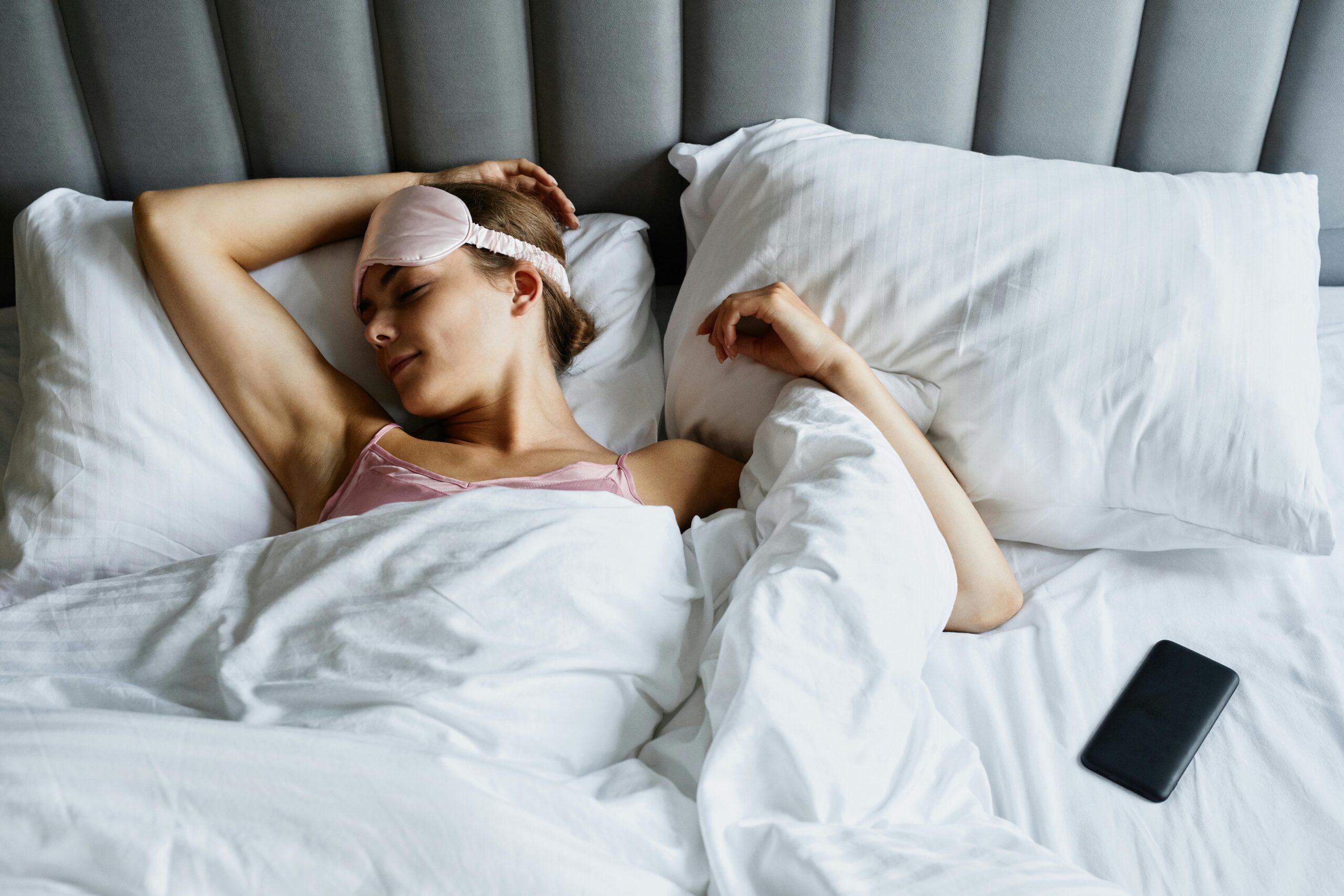
    Hormonal changes can disrupt your sleep, making you feel even more tired and emotional. Try to create a calming bedtime routine, avoid screens at least an hour before sleeping, and keep your bedroom cool and dark. Getting enough sleep helps regulate your mood and makes it easier to cope with everyday stress.

    2. Journal Your Feelings:
    Sometimes, writing down how you feel can help release emotional tension. Journaling is a great way to understand your emotions better instead of letting them control you. If you’re feeling overwhelmed, take five minutes to write freely about your thoughts. It’s a small but powerful way to take care of your mental health.

    3. Stay Connected with Loved Ones:
    It’s tempting to isolate yourself when you’re feeling down, but maintaining social connections can uplift your mood. Call a friend, talk to a family member, or even send a few texts to people who make you feel good. Remember, you’re not alone, and reaching out for emotional support is a sign of strength.

    4. Move Your Body Gently:
    You don’t have to do intense workouts. Light activities like walking, yoga, or stretching can release feel-good chemicals (endorphins) that naturally improve your mood. Even 10–15 minutes a day can make a huge difference in how you feel mentally and emotionally.

    5. Practice Deep Breathing or Meditation:
    Taking slow, deep breaths or practicing simple meditation exercises can calm your nervous system. When you feel anxiety rising or your mood dipping, stop and take a few slow, deep breaths. This technique helps reduce stress and brings you back to the present moment.

    6. Nourish Your Body Kindly:
    What you eat also affects your mood. Choose foods that support your body and avoid too much sugar and caffeine, as they can make mood swings worse. Warm, comforting meals can feel like a hug from the inside out.

    7. Be Kind to Yourself:
    Most importantly, don’t be too hard on yourself. Your body and mind are going through natural changes. It’s okay to feel emotional. Treat yourself with the same kindness you would offer a close friend.

    Taking care of your mental health during your period is not selfish — it’s necessary. When you prioritize your well-being, you can handle challenges better and enjoy more peace and balance in your daily life. Every small step counts!