Category: Health tips

  • Is Your Period Pain Normal or a Sign of Something More?

    Is Your Period Pain Normal or a Sign of Something More?

    Many women assume that intense cramps are just a “normal” part of having a period. But let’s pause for a second — what if your pain is actually a sign of something deeper?

    Mild to moderate cramping is normal. But when period pain becomes debilitating, it may point to conditions like endometriosis, adenomyosis, or PCOS.

    🚩Signs your period pain might not be normal:

    • You need to miss school, work, or daily activities
    • Over-the-counter pain meds barely help
    • Pain feels stabbing, radiating to legs or back
    • You have pain outside your period, especially during ovulation or sex
    • You feel bloated, nauseous, or experience digestive changes often

    If this sounds familiar, don’t brush it off. So many women are dismissed for years before getting a diagnosis. Listening to your body is the first step toward healing.

    🩺 What can you do?

    • Track your symptoms consistently — this gives doctors real data
    • Don’t minimize your pain when speaking to healthcare providers
    • Consider seeing a gynecologist who understands menstrual health beyond birth control
    • Ask about hormonal or surgical options if you’re dealing with a diagnosed condition

    You deserve care, not just survival. Normalize advocating for yourself. Period pain may be common, but suffering isn’t normal. 💬💛

  • Why You Shouldn’t Ignore Sleep During Your Period

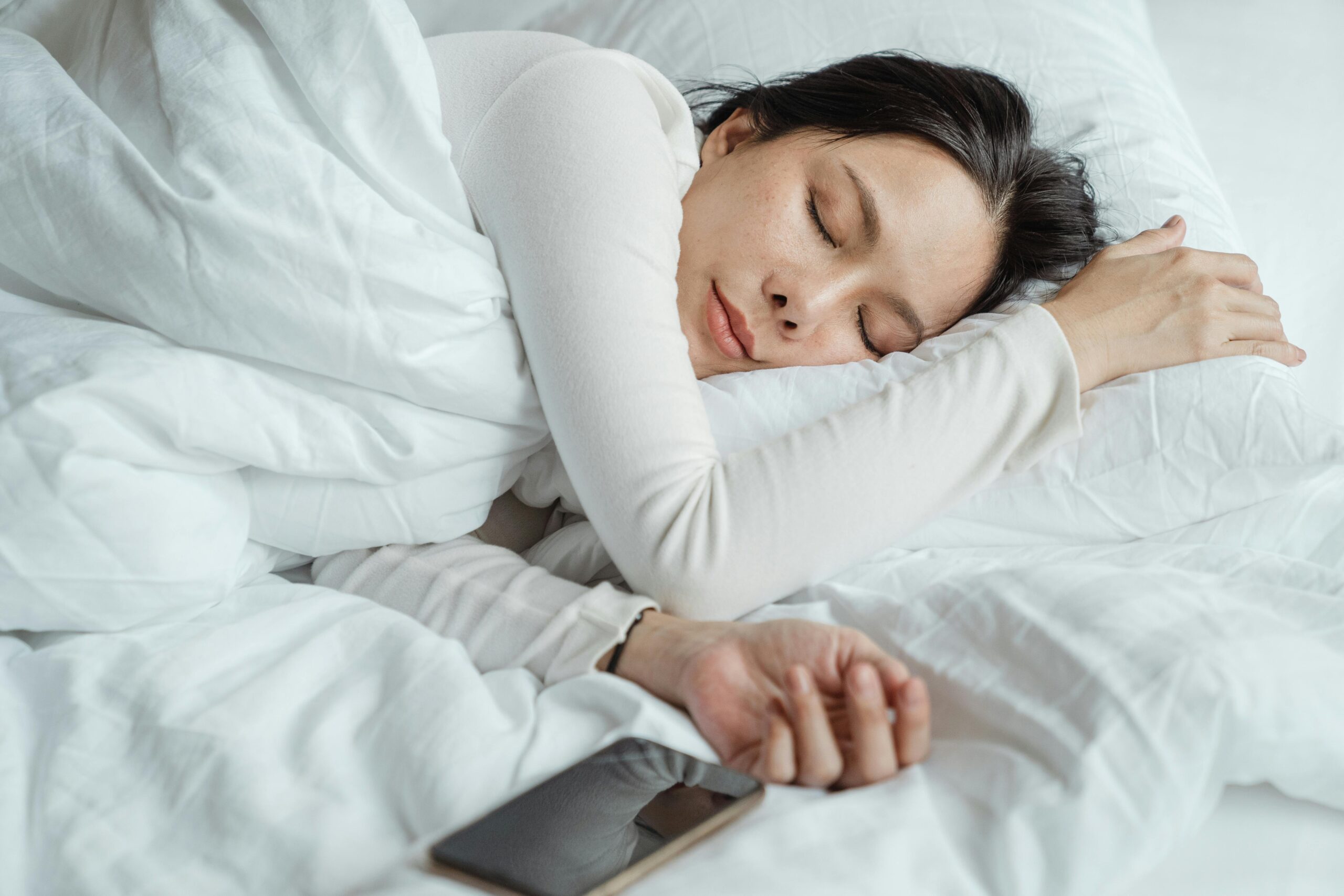
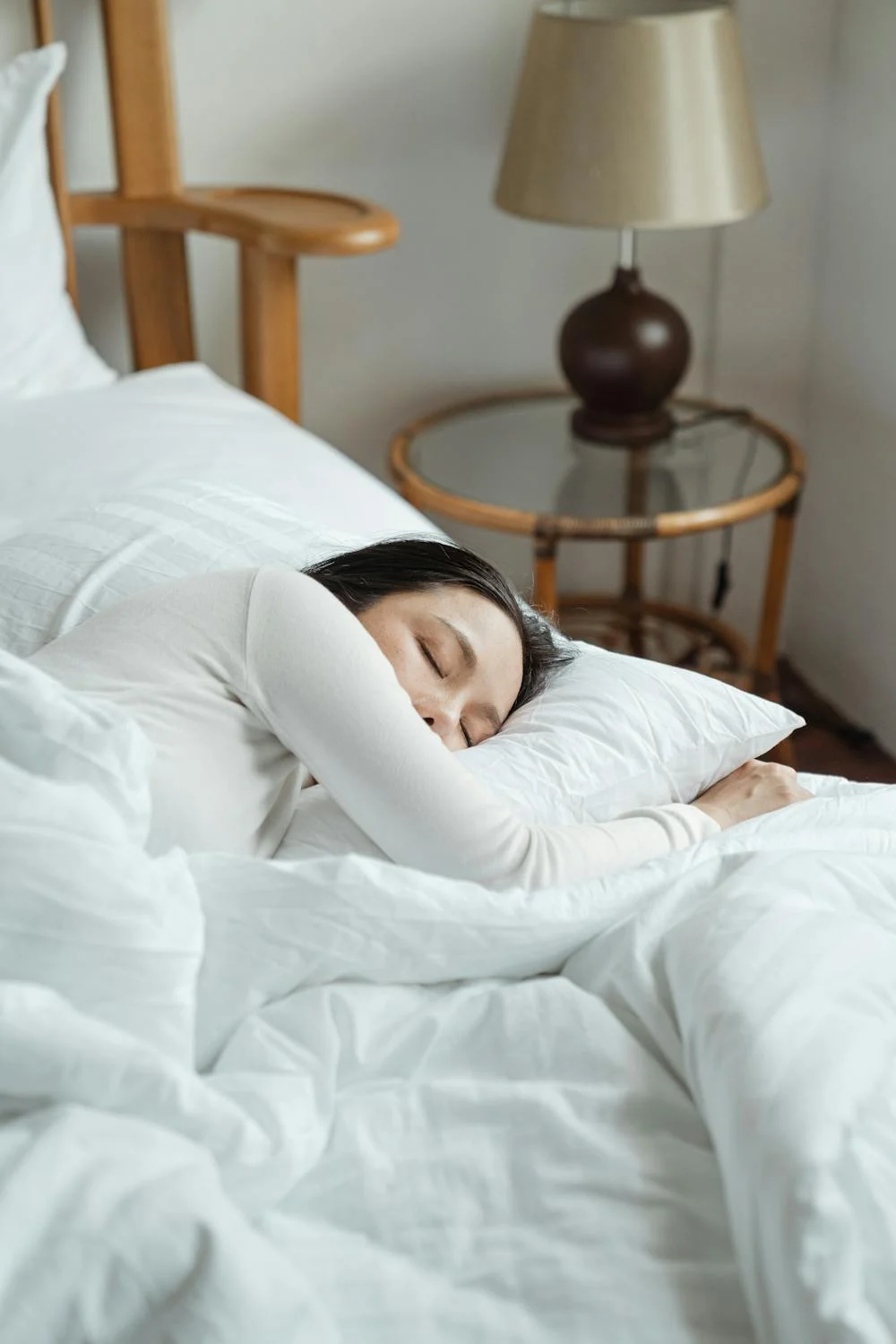
    Why You Shouldn’t Ignore Sleep During Your Period

    We often talk about cramps, mood swings, or food cravings during periods — but one thing we overlook is sleep quality. Did you know your sleep is often disturbed before and during your period, and poor sleep can actually make PMS symptoms worse?

    Your hormone levels, particularly progesterone, drop sharply before your period. This shift can cause:

    • Difficulty falling asleep 😵‍💫
    • Frequent waking at night 🌙
    • Lower sleep quality, leaving you exhausted in the morning 😴

    But that’s not all. Poor sleep affects everything:

    • Increases pain sensitivity
    • Raises stress and irritability
    • Triggers more sugar cravings
    • Weakens your immune system

    🛌 So, how can you improve sleep during your cycle?

    🌿 Magnesium-rich evening snack (like bananas or almonds) can help relax muscles and boost melatonin production.
    💧 Avoid caffeine after 2PM — your body is already more sensitive to stimulants during this time.
    🌸 Create a wind-down routine: warm shower, no screens, soft lights, calming music or tea (like chamomile or lavender).
    📓 Journal your thoughts — PMS can bring racing thoughts or anxiety, and writing them out can ease your mind.

    Sleep is not a luxury; it’s medicine. If you’re struggling more than usual during your period, look at your sleep habits. Quality rest can truly change how you experience your entire cycle. Give yourself permission to rest, recharge, and heal. 💤💛

  • Why Hydration is More Important Than Ever During Your Period

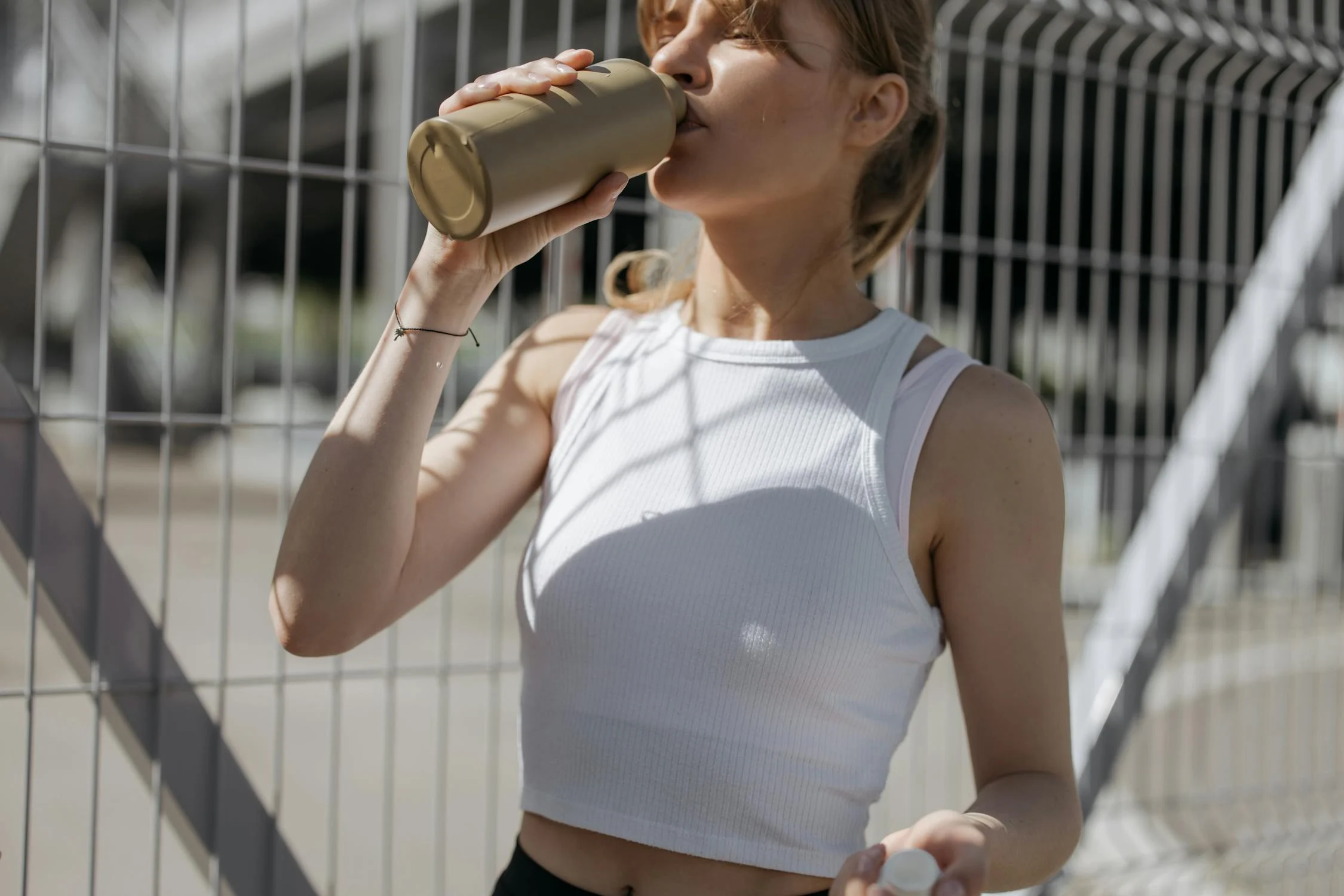
    Why Hydration is More Important Than Ever During Your Period

    Water might be the last thing you think about when you’re on your period — especially if you’re curled up with cramps or dealing with bloating. But drinking enough water is actually one of the most powerful ways to feel better during your cycle.

    When your estrogen and progesterone levels fluctuate, your body tends to retain water, leading to bloating, breast tenderness, and puffiness. It seems counterintuitive, but the best way to reduce water retention is to drink more water, not less. When you’re dehydrated, your body holds onto every drop it can — making bloating worse.

    💧 Here’s what happens when you stay hydrated during your period:

    • Your digestion improves, which helps prevent constipation and bloating.
    • Your blood flows more easily, which may ease cramps.
    • Your kidneys flush out excess sodium, helping your body de-bloat.
    • Your mood stabilizes, since even mild dehydration can affect your emotions.
    • You’ll feel less fatigued, as dehydration can make you sluggish and foggy.

    🌿 Tips to make hydration easier:

    • Start your day with a glass of warm water and lemon — it kickstarts digestion and feels soothing.
    • Infuse your water with cucumber, mint, berries, or citrus slices for flavor.
    • Keep a cute, refillable water bottle nearby all day.
    • Sip herbal teas like chamomile, ginger, or raspberry leaf for extra benefits.

    🚫 Avoid drinks that dehydrate:

    • Limit coffee, especially if you’re feeling anxious or crampy.
    • Say no to sugary sodas and energy drinks — they cause sugar crashes and bloat.

    Hydration is simple, but it’s not small. Every sip you take is like sending love and support to your body. During your period, that love matters even more. 💙

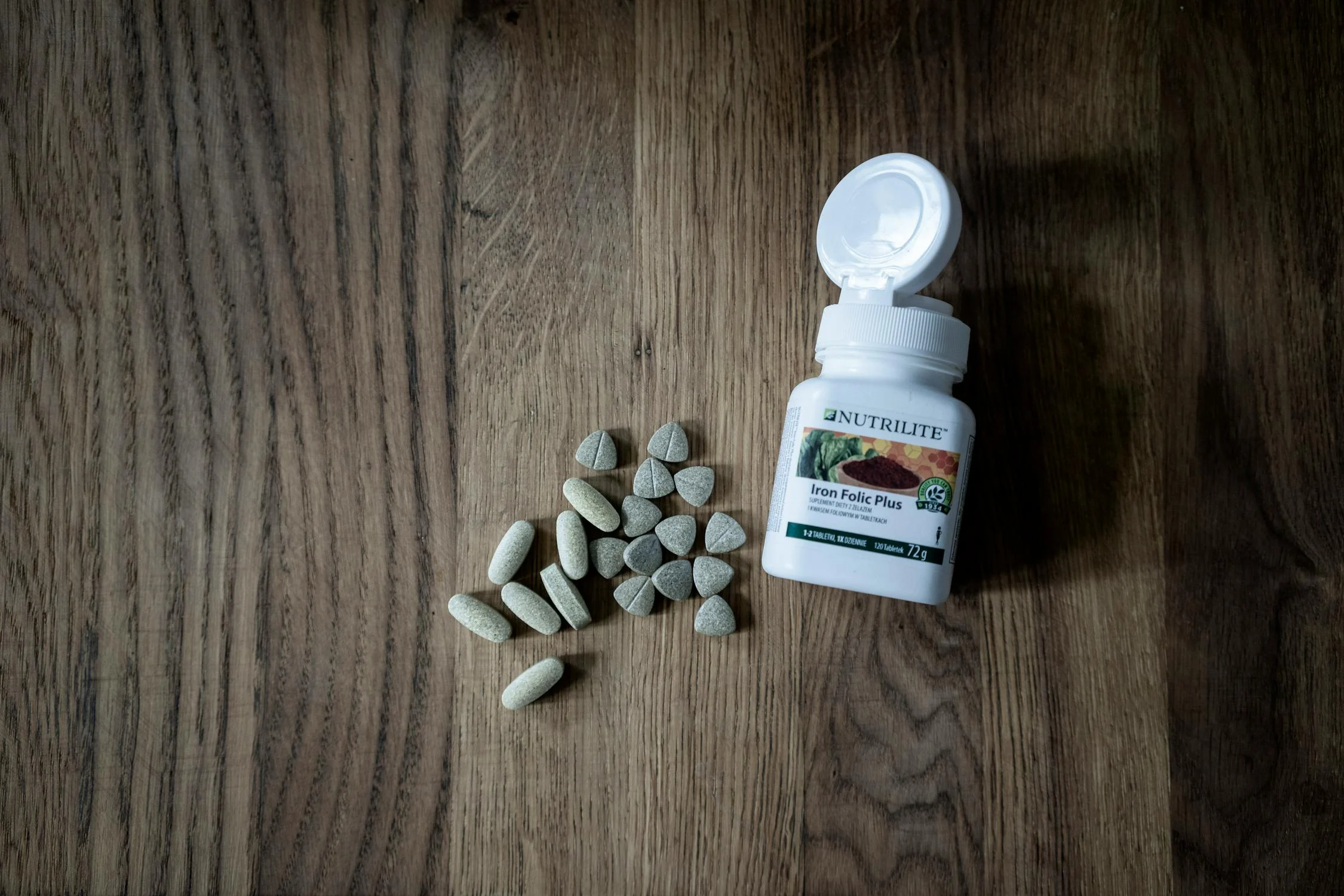
  • The Importance of Iron During Your Period — And How to Get Enough

    The Importance of Iron During Your Period — And How to Get Enough

    Did you know that during your period, you lose between 30 to 80 milliliters of blood on average? That might not sound like much, but over time, it can affect your iron levels — especially if you’re not getting enough iron in your diet. Low iron can lead to fatigue, dizziness, shortness of breath, and even hair loss. In fact, many women who feel “extra tired” or low-energy during their periods are actually low in iron without realizing it.

    Iron is essential for making hemoglobin, a protein in your red blood cells that carries oxygen throughout your body. When iron levels drop, your cells receive less oxygen, and your energy crashes. For menstruating women, this risk is higher — especially if your flow is heavy or you follow a vegetarian or vegan diet.

    So how can you support your body?

    🥩 Best Iron-Rich Foods:

    • Red meat (like beef or lamb)
    • Chicken and turkey
    • Organ meats like liver
    • Sardines and tuna

    🌿 Plant-Based Options:

    • Lentils, chickpeas, and tofu
    • Spinach and kale
    • Pumpkin seeds and sunflower seeds
    • Fortified cereals and breads

    💡 Pro Tip:
    Your body absorbs iron better when it’s paired with vitamin C. Try adding oranges, strawberries, or bell peppers to your meals when eating iron-rich foods.

    🚫 Avoid This with Iron:
    Drinking tea or coffee with your meals can block iron absorption. Wait at least an hour after eating before having that cup of tea.

    🩺 When to Check In with a Doctor:
    If you often feel exhausted, pale, dizzy, or notice shortness of breath, ask for a blood test to check your iron levels. Low iron (iron deficiency anemia) is common and treatable.

    Supporting your iron intake isn’t just about reducing tiredness — it’s about giving your body the strength and energy it deserves to thrive all month long. 🌟

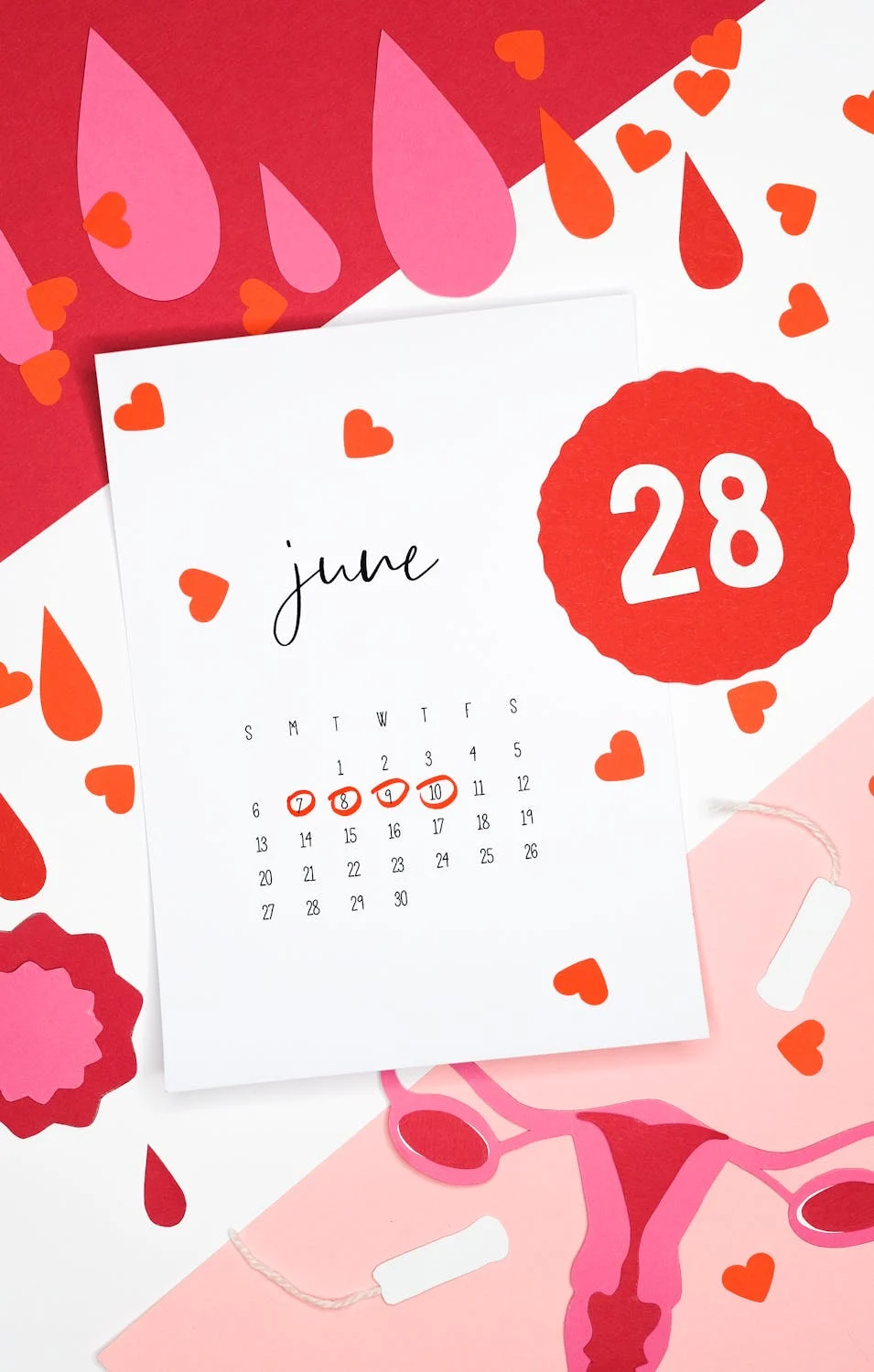
  • Why Tracking Your Cycle is a Game-Changer for Your Health

    Why Tracking Your Cycle is a Game-Changer for Your Health

    Tracking your menstrual cycle is more than just knowing when your period starts — it’s a tool for understanding your body and protecting your long-term health. Whether you’re trying to manage PMS, prepare for pregnancy, or simply feel more in control of your routine, here’s why cycle tracking is so powerful.

    📅 Know Your Phases
    Your cycle has four phases:

    1. Menstrual (your period)
    2. Follicular (after your period)
    3. Ovulation (mid-cycle)
    4. Luteal (before your next period)

    Each phase affects your mood, energy, appetite, and even how your skin behaves. Tracking helps you prepare for these shifts instead of being caught off guard.

    👩‍⚕️ Spot Patterns
    Are your cramps worse on some months? Do you always get a headache before your period? Noticing patterns allows you to take action — whether that means adjusting your diet, rest, or asking your doctor the right questions.

    🧠 Feel Empowered
    When you track your cycle, you feel more connected to your body. You can plan work, social time, and even workouts around the energy you know you’ll have.

    📲 Use Your Tools
    If you’re using this app, you’re already one step ahead. Make it a habit to check in daily — log your symptoms, mood, sleep, and energy. In just a few months, you’ll be amazed how much you’ve learned about yourself.

    Cycle tracking is self-knowledge — and self-knowledge is power. 💪✨

  • How Much Blood Loss Is Normal During a Period?

    How Much Blood Loss Is Normal During a Period?

    Many women wonder: “Am I bleeding too much? Too little?” It’s important to know what’s considered normal so you can feel more confident about your health.

    🩸 Average Blood Loss:
    During a normal period, you lose about 30–80 milliliters (about 2 to 6 tablespoons) of blood over the whole cycle. It might look like more because blood mixes with fluid from the uterus.

    📆 Period Length:
    Most periods last between 3 to 7 days. If your period is shorter or longer occasionally, that’s usually okay. But if your period consistently lasts more than 8 days, you may want to talk to a healthcare provider.

    Signs of Heavy Bleeding:

    • Soaking through one pad or tampon every hour
    • Needing double protection (tampon + pad)
    • Passing blood clots larger than a coin
    • Feeling weak, dizzy, or extremely tired

    🌸 When to See a Doctor:
    If your bleeding feels overwhelming, if your periods are very painful, or if you suddenly notice a big change in your cycle, it’s a good idea to get checked. There are many simple treatments that can help!

    🌟 Final Thought:
    Knowing what’s normal helps you feel empowered about your body. Don’t be afraid to ask questions or seek support when it comes to your menstrual health. Your body’s signals are there to guide you — listen to them with care and respect.

  • 5 Simple Habits That Support Your Cycle Health

    5 Simple Habits That Support Your Cycle Health

    Taking care of your health all month long, not just during your period, can lead to easier, less painful cycles. Here are 5 habits you can start today to support your cycle health naturally:

    🕒 1. Track Your Cycle
    Use a calendar, an app, or a notebook to track your period dates, symptoms, and moods. Understanding your personal pattern helps you prepare for physical and emotional changes.

    💧 2. Stay Hydrated
    Drinking enough water helps prevent bloating, supports digestion, and keeps your energy levels steady. Aim for at least 8 glasses a day, and more if you feel thirsty or active.

    🏋️ 3. Move Your Body Regularly
    You don’t need to be extreme with workouts. Gentle exercises like walking, swimming, or yoga improve circulation, reduce PMS symptoms, and boost mood naturally. Find what feels good for your body.

    🛌 4. Prioritize Sleep
    Lack of sleep can make PMS symptoms worse. Aim for 7–9 hours of restful sleep per night. Create a calming bedtime routine — like turning off screens early and using a few minutes to journal or read.

    🥗 5. Balance Your Meals
    Eat a variety of fruits, vegetables, whole grains, healthy fats, and protein. A colorful, balanced plate gives your body the nutrients it needs to support hormone balance and energy levels.

    🌟 Remember:
    Small daily habits can lead to big positive changes over time. Treat your body with care every day — your future self will thank you.