Category: Health tips

  • My Gynecologist’s Golden Rule: “Never Ignore Cycle Pain Longer Than 3 Months”

    My Gynecologist’s Golden Rule: “Never Ignore Cycle Pain Longer Than 3 Months”

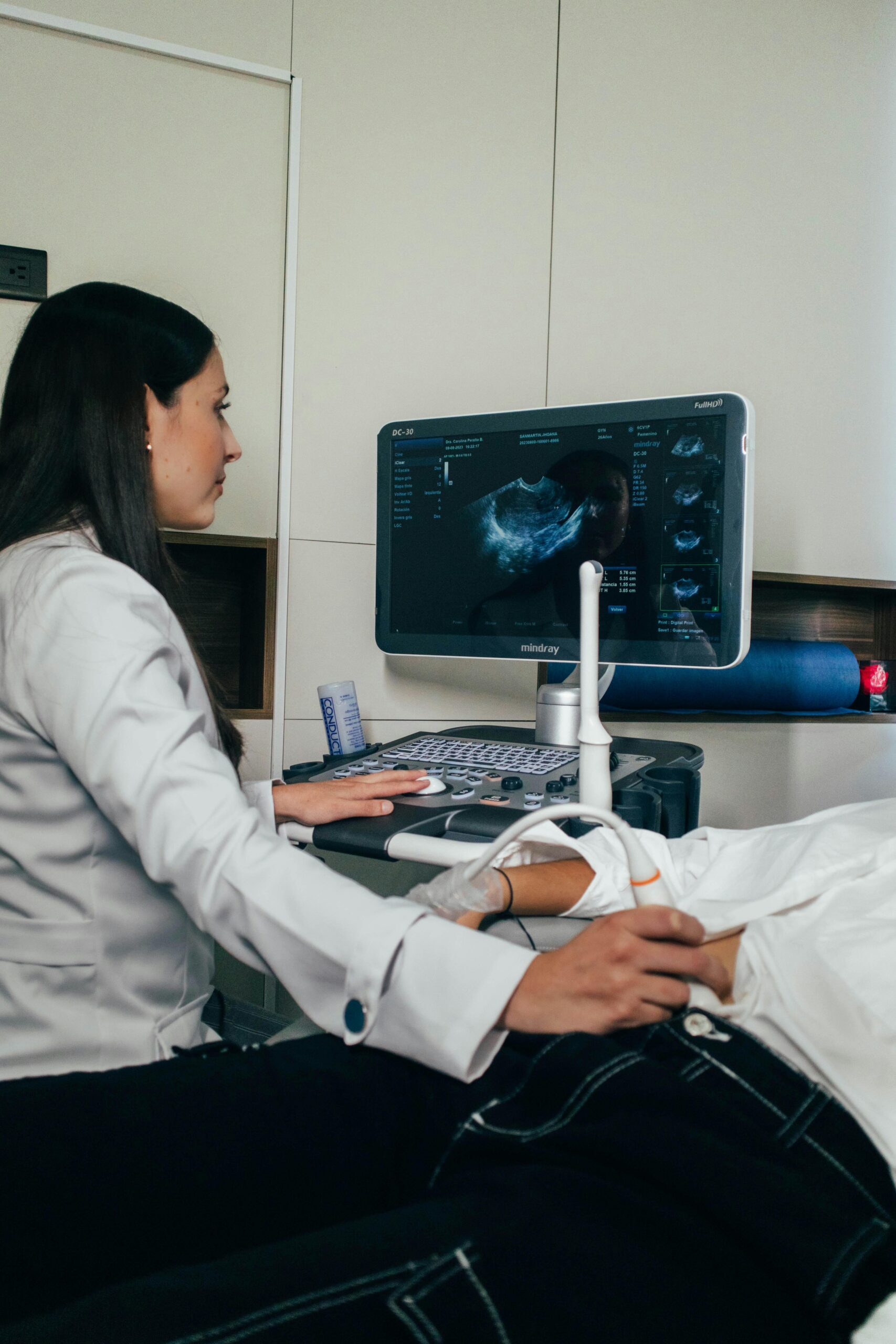
    Three years ago, I met a gynecologist who told me something I’ll never forget. I’d been living with painful periods for years — thinking it was just “how my body works.” But she looked at me and said: “Pain that stops your day isn’t normal. It’s a message.”

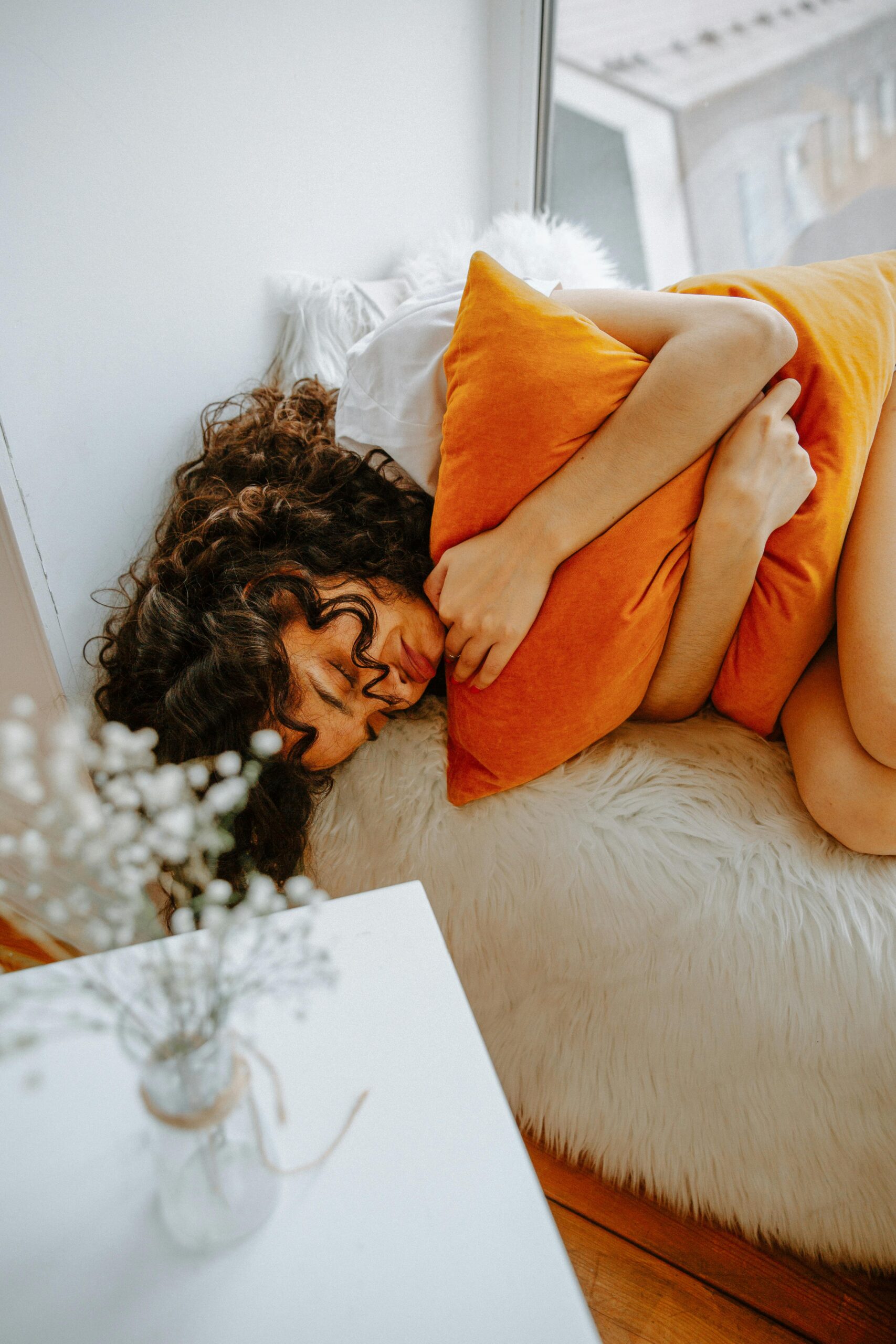
    She explained that period pain should improve, not worsen, over time. If cramps become more intense, or if you need painkillers every single month, something might be off — maybe hormonal imbalance, inflammation, or even endometriosis.

    I took her advice seriously and started tracking my cycle pain on an app. That’s when I noticed patterns: stress, caffeine, and lack of sleep made my cramps worse. After medical testing, I found mild endometriosis early — and that early detection saved me years of suffering.

    If there’s one thing I learned, it’s this: your body speaks in sensations, not words. Don’t wait for it to scream — listen when it whispers.


  • The Sleep Connection: Why Resting Well Can Ease Your Period Symptoms

    The Sleep Connection: Why Resting Well Can Ease Your Period Symptoms

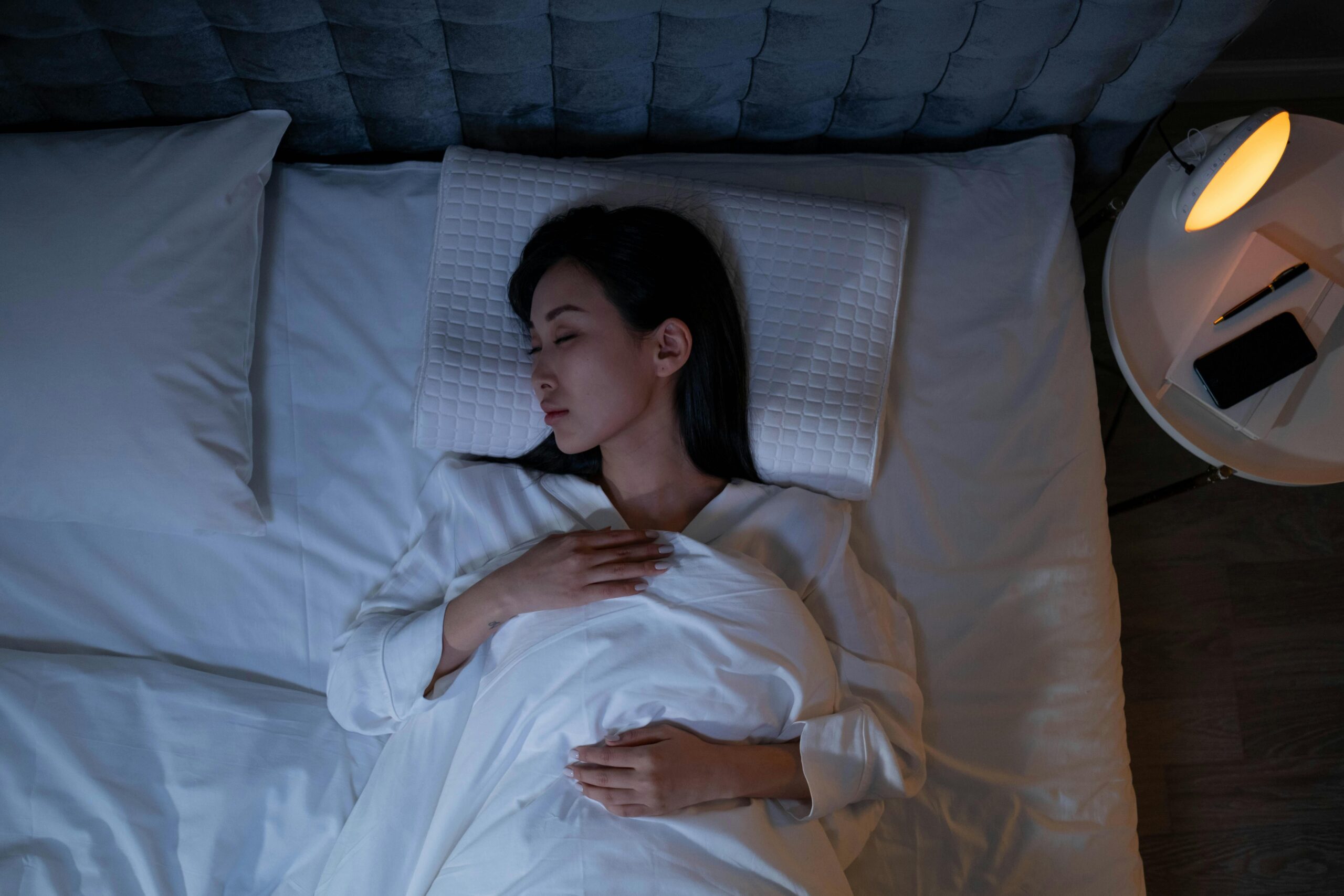
    Sleep is more powerful than most of us realize — especially during menstruation. A lack of sleep can make cramps worse, increase irritability, and even prolong bleeding. Your body is already working hard to shed the uterine lining, and without enough rest, it has to work twice as much.

    A small clinic study in Sweden observed women who got less than six hours of sleep before and during their period. They reported heavier bleeding and stronger cramps than those who slept seven to eight hours. The difference wasn’t just physical — poor sleepers felt more anxious and less patient with loved ones.

    If you struggle to fall asleep, try keeping a night routine. Avoid screens 30 minutes before bed, dim the lights, and drink something warm — like chamomile tea. Also, try magnesium before sleep; it’s known to relax muscles and improve rest quality.

    Your body renews itself while you sleep. Hormone balance, mood, and pain sensitivity all depend on those precious hours of rest. So don’t feel guilty for sleeping more during your period — it’s your body’s way of healing.

  • The Hidden Link Between Hydration and Cramps

    The Hidden Link Between Hydration and Cramps

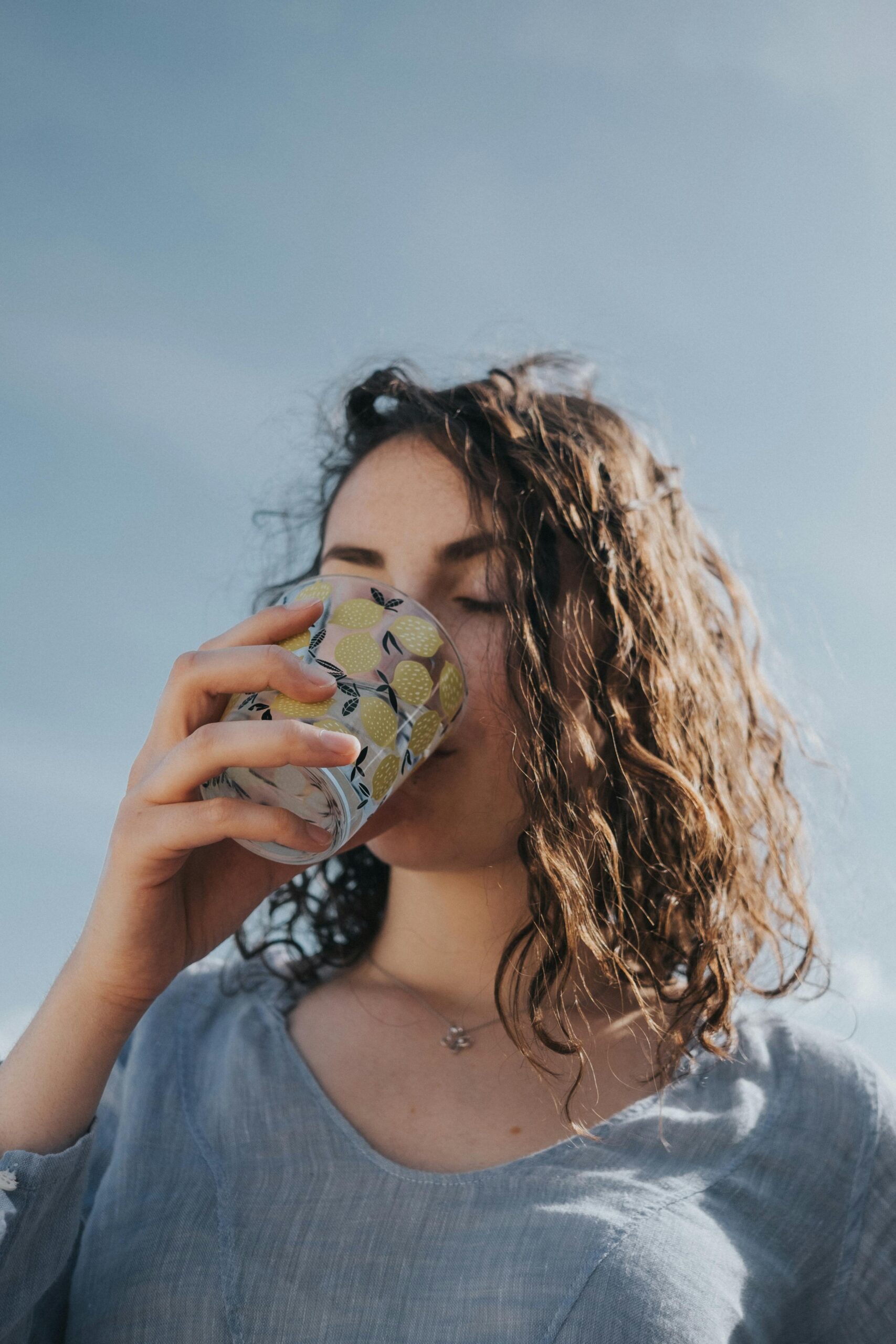
    A wellness coach noticed that many women who suffered from strong cramps also drank very little water during their period. When they increased their intake to 2–2.5 liters daily, their cramps became less severe and bloating decreased.

    Dehydration can make uterine muscles contract more strongly, worsening cramps. Water helps your body flush out sodium, reduce swelling, and support smoother muscle movement.

    Add slices of lemon, cucumber, or mint to your water if plain water feels boring. Hydration is not just about thirst — it’s a quiet form of care your body needs most during menstruation.

  • A Doctor’s Trick: The “Warm Bottle” Method for Cramps Relief

    A Doctor’s Trick: The “Warm Bottle” Method for Cramps Relief

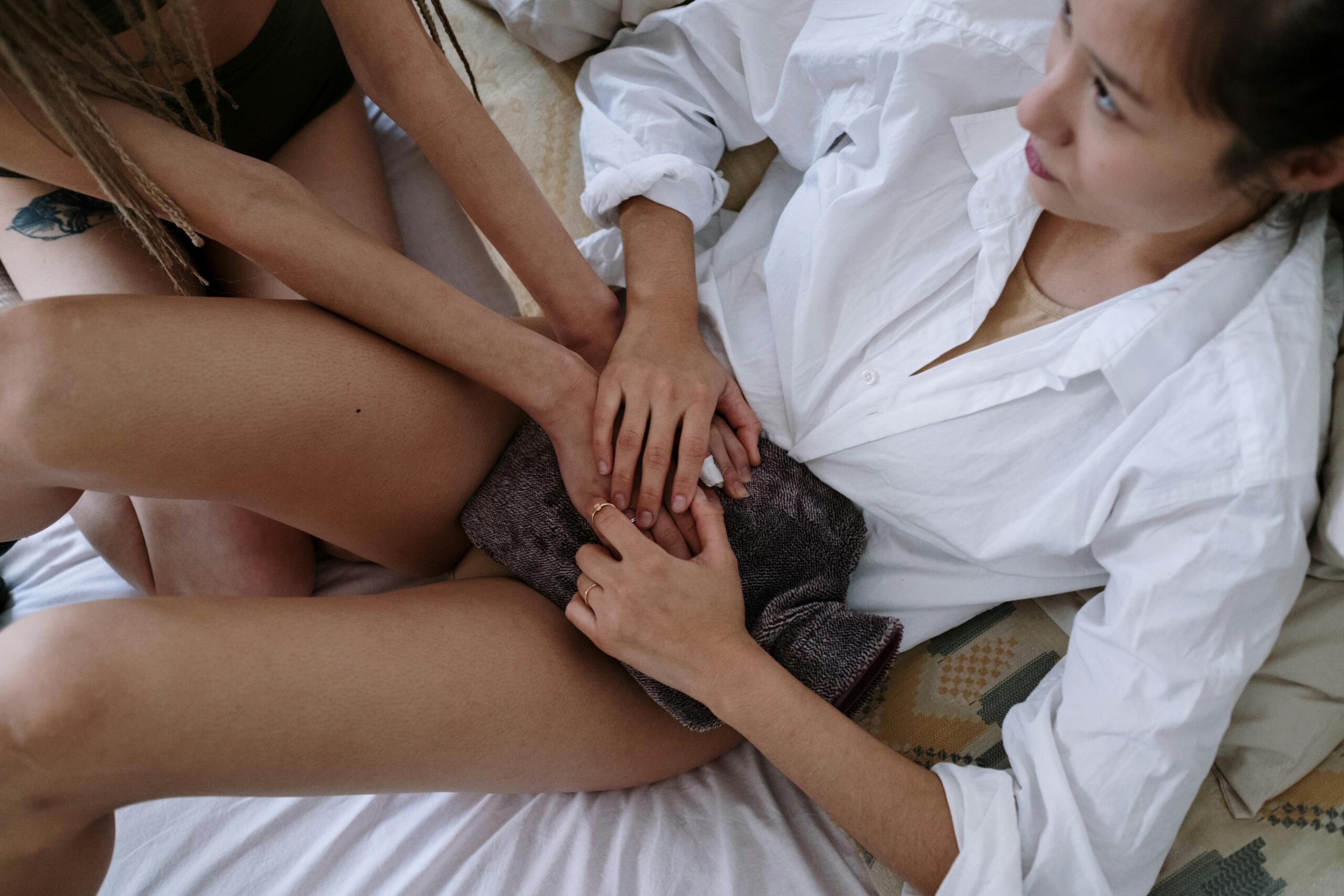
    In a gynecology clinic, doctors often recommend a simple, traditional trick for period pain: the warm bottle method. A warm water bottle placed on the lower abdomen helps relax the uterine muscles, increase blood flow, and ease cramps.

    In one small hospital study, women using heat therapy felt relief as fast as those who took ibuprofen — but without side effects. The warmth signals your body to calm the pain receptors and release tension.

    You can use a hot water bottle, a heating pad, or even a warm towel. Combine it with gentle breathing or stretching, and you’ll feel your body soften and pain ease naturally.

  • The Woman Who Tried “Cycle Syncing” — and What She Learned

    The Woman Who Tried “Cycle Syncing” — and What She Learned

    Cycle syncing is a growing trend where women align their diet and lifestyle with each phase of their menstrual cycle. A fitness coach named Amelia tried it for three months — eating lighter, exercising gently during her period, then increasing workouts and protein intake after ovulation.

    She noticed huge changes: fewer energy crashes, improved skin, and better emotional balance. Tracking her cycle helped her understand her body’s rhythm instead of fighting it.

    Experts say the key is to listen to your hormones. During the follicular phase, estrogen rises — it’s a great time for creativity and exercise. During the luteal phase, progesterone increases — prioritize rest and comfort foods.

    Cycle syncing isn’t a strict rule but a way to respect your body’s natural flow. It can turn your cycle from a monthly struggle into a rhythm of strength and awareness.

  • Why Rest Is Just as Important as Exercise During Your Period

    Why Rest Is Just as Important as Exercise During Your Period

    Many women push themselves to stick to their usual routines, even when their bodies ask for rest. While exercise can help reduce cramps and improve mood, rest is equally important during menstruation. Striking the right balance is key.

    Your energy levels naturally dip because your body is working harder — losing blood, adjusting hormones, and repairing tissues. This means fatigue is normal. Ignoring it and pushing too hard can lead to burnout, headaches, or worsening cramps.

    Here’s a better approach:

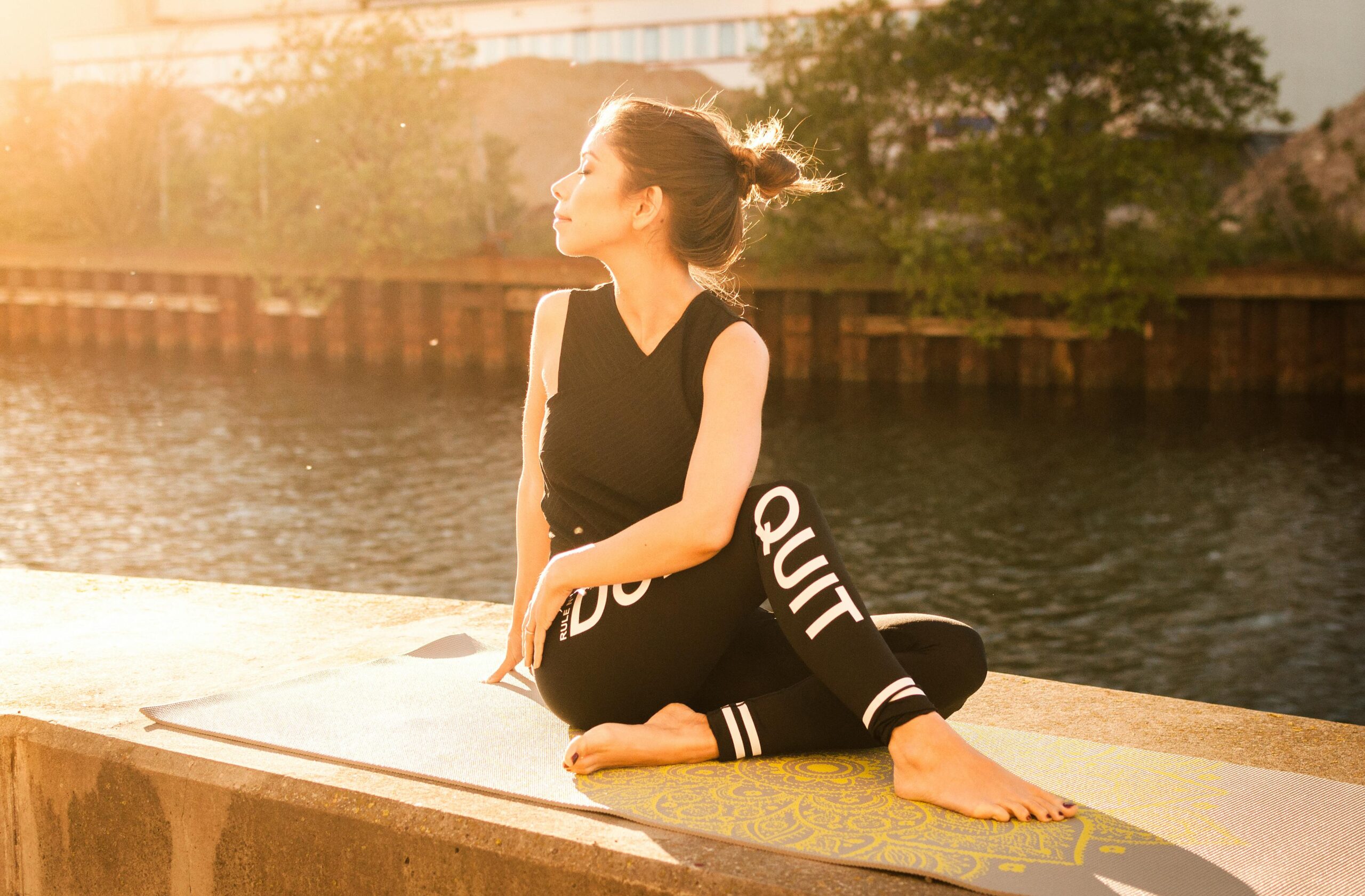
    • Light movement: Choose yoga, stretching, or short walks. These activities support circulation without straining your body.
    • Prioritize sleep: Aim for 7–9 hours. Rest allows your body to restore iron levels and rebalance hormones.
    • Use relaxation techniques: Deep breathing or meditation helps calm your nervous system, lowering stress and pain sensitivity.

    Listening to your body is not laziness; it’s self-care. Rest days during your period allow your body to recover and prepare you for more active days ahead.

  • 5 Simple Lifestyle Changes to Make Your Period Easier

    5 Simple Lifestyle Changes to Make Your Period Easier

    Periods can bring discomfort, fatigue, and mood swings, but small lifestyle habits can make a huge difference. Light exercise, such as walking, stretching, or yoga, boosts blood flow, reduces cramps, and releases endorphins, which naturally lift your mood. Even gentle activity is better than none.

    Sleep is another crucial factor. Lack of rest increases fatigue and irritability and can make cramps feel worse. Tracking your cycle allows you to anticipate symptoms, plan meals, and schedule rest or exercise accordingly.

    Be mindful of habits that can worsen discomfort. Excess caffeine, alcohol, and smoking can increase bloating, cramps, and irritability. Listening to your body is key: rest when needed, and avoid overexertion.

    Hydration is also important. Drinking water and herbal teas helps reduce bloating and keeps your body functioning optimally. And if you experience severe pain, heavy bleeding, or irregular cycles, consulting a healthcare provider is important for your health. Small, consistent habits create a smoother, healthier, and more manageable cycle every month.

  • Period and Skin: Why Breakouts Happen and How to Care for Them

    Period and Skin: Why Breakouts Happen and How to Care for Them

    Many women notice that their skin changes around their cycle — pimples on the chin, oilier T-zone, or dryness in unexpected places. This is not a coincidence; your skin is directly influenced by hormonal shifts.

    In the days before your period, progesterone and estrogen drop, while testosterone remains slightly higher. This can increase oil production, clogging pores and triggering breakouts.

    🌿 How to support your skin during your period:

    • Gentle cleansing: Wash your face twice daily with a mild cleanser. Avoid harsh scrubs that irritate skin.
    • Hydration matters: Even oily skin needs moisturizer. A lightweight, non-comedogenic one helps balance oil.
    • Spot treatments: Natural options like tea tree oil or a dab of honey can calm redness.
    • Balanced diet: Limit too much refined sugar, which can worsen inflammation.
    • Don’t pick: Touching pimples can lead to scars or longer healing time.

    Extra tip: Track your breakouts in your app. Over time, you’ll see patterns — maybe day 23 is your breakout day — and you can prepare ahead.

    Remember, skin changes don’t mean you’re doing something wrong. They’re just another way your body communicates. By listening and adjusting your care, you’ll feel more confident every cycle.

  • How to Improve Sleep Quality During Your Period

    How to Improve Sleep Quality During Your Period

    Sleep is one of the most important yet often overlooked aspects of period health. Many women struggle to fall asleep or wake up frequently during their cycle due to cramps, hormonal changes, and mood shifts. Poor sleep can make everything feel worse — from irritability to pain sensitivity. But with the right habits, you can improve both the quality and quantity of your sleep during menstruation.

    😴 Why sleep is harder during your period:

    • Hormonal changes (drop in progesterone and estrogen) affect sleep patterns.
    • Cramps and discomfort wake you up during the night.
    • Anxiety or mood swings interfere with relaxation.
    • Night sweats or feeling too warm can disturb rest.

    🌿 Tips to improve sleep naturally:

    • Stick to a routine: Go to bed and wake up at the same time daily, even on weekends.
    • Use heat therapy before bed: A warm shower or heating pad on your abdomen relaxes muscles and eases cramps, helping you drift off.
    • Avoid screens before sleep: The blue light tricks your brain into staying awake. Try reading or listening to calming sounds instead.
    • Drink calming teas: Chamomile, lavender, or lemon balm tea promote relaxation.
    • Cool bedroom temperature: Keeping your room cool reduces night sweats and makes sleep deeper.
    • Gentle stretches: A few minutes of yoga or deep breathing can ease tension before lying down.

    Remember: good sleep isn’t just rest — it’s healing time for your body. During your period, prioritizing sleep helps regulate hormones, boosts immunity, and improves your mood. It’s one of the most powerful, natural remedies you can give yourself.

  • Why Tracking Your Cervical Mucus Can Improve Your Cycle Awareness

    Why Tracking Your Cervical Mucus Can Improve Your Cycle Awareness

    When we think of tracking periods, most of us only pay attention to bleeding days. But your body gives signals throughout the month — one of the most powerful is cervical mucus. Understanding it can help you know where you are in your cycle, why you feel the way you do, and even predict your period more accurately.

    🌸 What is cervical mucus?
    It’s the fluid your cervix produces. It changes texture and appearance depending on your hormones.

    👀 Phases you might notice:

    • Dry or sticky: Often after your period ends. Low fertility, lower energy.
    • Creamy/lotion-like: Estrogen starts rising. You may feel more social and energized.
    • Clear, stretchy, egg-white: Peak fertility, right before ovulation. Many women feel their best here — confident, glowing, outgoing.
    • Thicker again: As progesterone rises in the luteal phase, mucus decreases. You might feel calmer or more inward.

    Why pay attention?

    • Predict your fertile and non-fertile days
    • Connect physical sensations with emotional shifts
    • Spot hormonal imbalances early (like if mucus is consistently scant or absent)
    • Feel more “in tune” with your natural rhythm instead of being surprised by PMS

    This isn’t just for fertility — it’s for self-awareness. When you know what’s happening in your body, you stop feeling like your period “sneaks up” on you. Instead, you begin to see your cycle as a conversation your body is having with you every single day.

    Your body speaks. Cervical mucus is just one of its beautiful languages. 🕊️