Category: Food during period

  • What Your Body Craves During Your Period — and Why It Makes Sense

    What Your Body Craves During Your Period — and Why It Makes Sense

    Many people notice strong food cravings during their period and often feel guilty about them. However, science shows that these cravings are not random. They are closely linked to hormonal shifts and the body’s changing nutritional needs during the menstrual cycle.

    In the days leading up to and during menstruation, estrogen levels drop while progesterone fluctuates. These changes affect blood sugar regulation and brain chemicals such as serotonin. When serotonin levels decrease, the body naturally seeks quick sources of comfort and energy, which explains cravings for carbohydrates and sweet foods.

    Iron is another key factor. Menstrual bleeding causes a temporary loss of iron, especially for those with heavier flows. Foods rich in iron, such as leafy greens, legumes, and certain animal products, help support the body’s natural recovery process. This is one reason many people feel drawn to savory or hearty meals during their period.

    Magnesium also plays an important role. Research shows that magnesium supports muscle relaxation and nervous system balance. During menstruation, magnesium levels may dip, which can contribute to cramps, fatigue, or headaches. Foods like nuts, seeds, whole grains, and dark chocolate naturally contain magnesium and are commonly craved at this time.

    Hydration is often overlooked. Hormonal changes can affect fluid balance, leading to bloating or water retention. Drinking enough water and consuming water-rich foods helps the body regulate itself more efficiently.

    Some foods may feel comforting but can intensify certain symptoms. Highly processed foods high in salt or sugar may increase bloating or energy crashes. This does not mean they must be avoided completely, but awareness helps with balance.

    Understanding these cravings removes the idea of “good” or “bad” food during your period. Listening to your body and observing how different foods make you feel supports healthier cycle tracking and overall well-being.
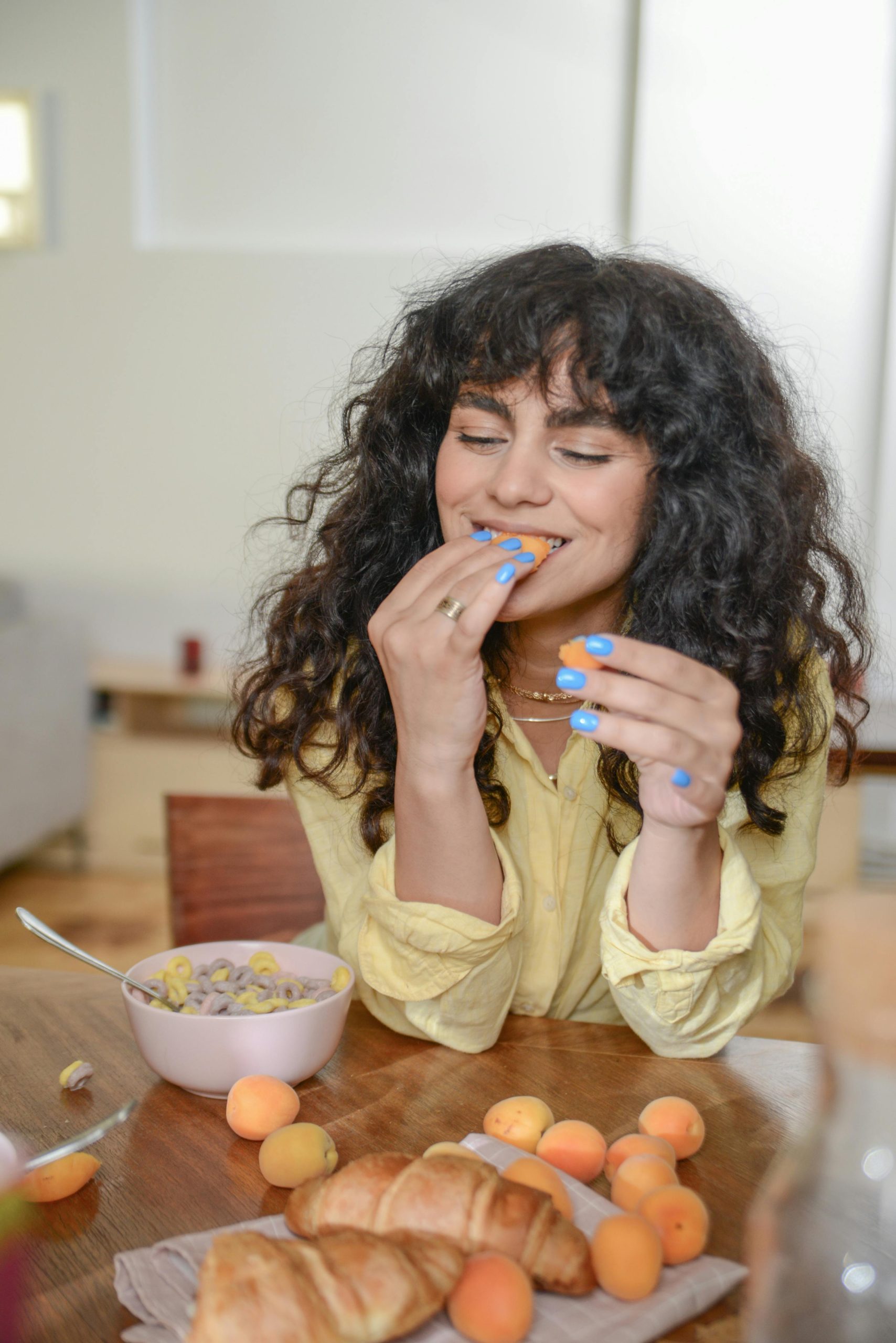

  • How Food Interacts With Hormones During Your Period — What Research Actually Shows

    How Food Interacts With Hormones During Your Period — What Research Actually Shows

    Nutrition plays a measurable role during the menstrual cycle, especially during menstruation. Medical and nutritional research confirms that the body’s nutritional needs change slightly during this phase due to hormonal shifts, inflammation, and blood loss. Understanding these changes helps explain why certain foods feel supportive while others may increase discomfort.

    During menstruation, the body loses iron through blood. Scientific studies consistently link low iron levels to fatigue, weakness, and reduced concentration. Foods naturally rich in iron—such as legumes, leafy greens, eggs, and whole grains—are widely recognized in medical literature as important for maintaining energy levels during this phase. Iron absorption is also influenced by other nutrients, especially vitamin C.

    Hormonal fluctuations during the period can increase inflammatory responses in the body. Research shows that inflammation contributes to cramps, headaches, and joint discomfort. Diets that include anti-inflammatory foods—such as fruits, vegetables, nuts, seeds, and omega-3 sources—are associated with reduced inflammatory markers. This does not treat pain, but supports the body’s natural recovery process.

    Medical studies also confirm that digestion changes during the menstrual cycle. Prostaglandins, hormone-like substances involved in uterine contractions, can affect the digestive system as well. This explains why bloating, diarrhea, or slower digestion may occur. Easily digestible foods and regular meal timing help reduce digestive stress during this phase.

    Sugar and refined carbohydrates affect blood glucose levels, which can fluctuate more noticeably during menstruation. Rapid spikes and drops in blood sugar have been linked to increased fatigue and mood sensitivity. Balanced meals that include protein, fiber, and healthy fats help stabilize energy levels throughout the day.

    Caffeine intake has also been studied in relation to menstrual symptoms. Some research suggests that high caffeine consumption may increase breast tenderness and anxiety in sensitive individuals. While responses vary, moderation during menstruation is commonly recommended in nutritional research.

    Hydration is another key factor supported by medical evidence. Fluid balance changes during the cycle, and dehydration can worsen headaches and cramps. Water and non-caffeinated fluids support circulation and help regulate body temperature during menstruation.

    Importantly, research emphasizes that there is no single “period diet”. Nutritional responses differ between individuals. Tracking food intake alongside symptoms allows users to identify personal patterns rather than follow rigid rules.

    Food during menstruation is not about restriction or perfection. It is about providing the body with stable energy and supportive nutrients during a naturally demanding phase.

  • What I Ate During One Period Changed My Symptoms for the Next Three Cycles

    What I Ate During One Period Changed My Symptoms for the Next Three Cycles

    A few months ago, I decided to try a small experiment—not a diet, not a detox, just awareness. For one full menstrual cycle, I paid close attention to what I ate during my period and how my body reacted afterward. I didn’t expect much. I was wrong.

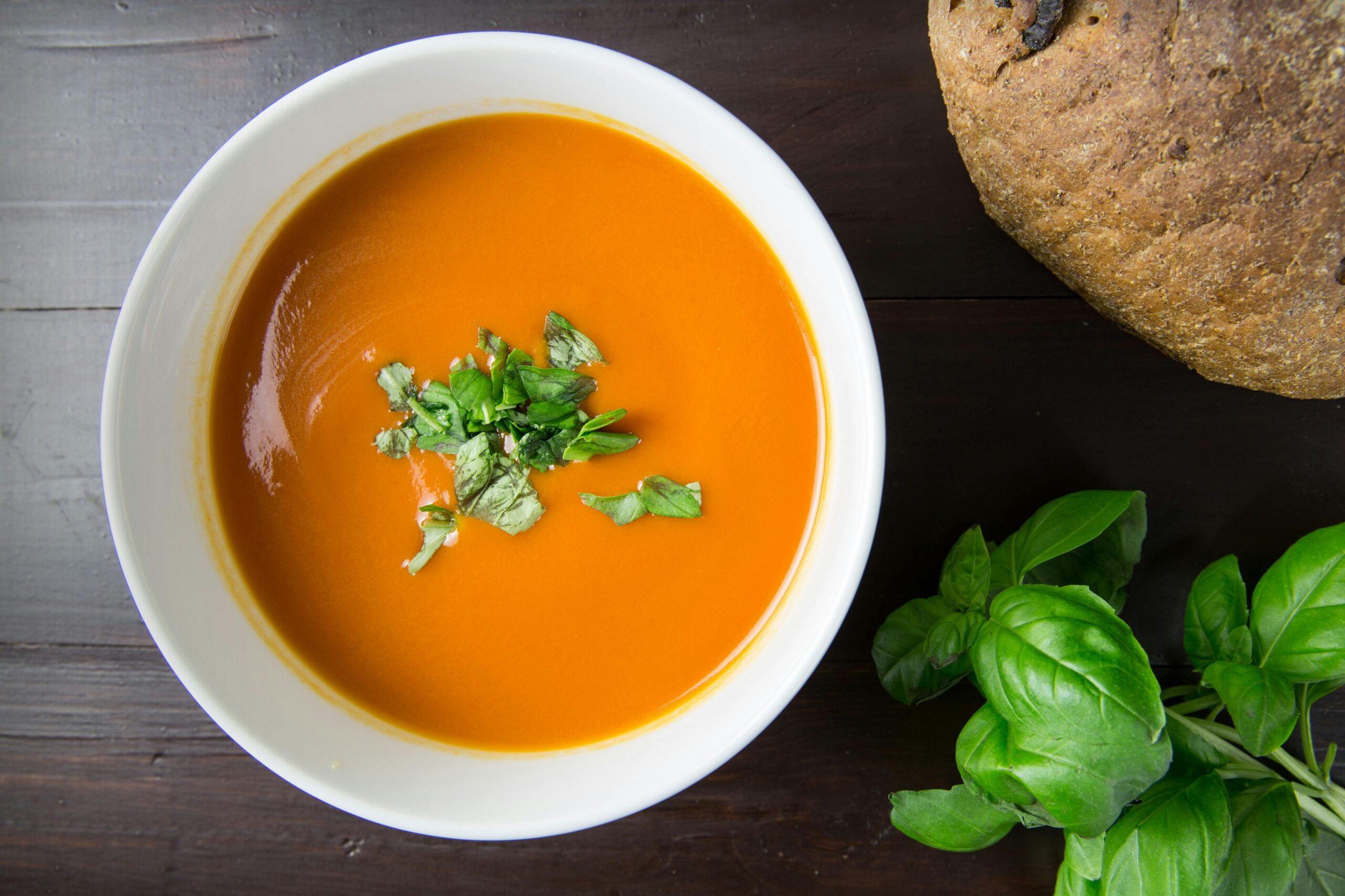
    The first thing I noticed was how strongly food influenced my energy levels. On the first two days of my period, I usually felt exhausted and dizzy. This time, instead of skipping meals or grabbing quick sugar, I focused on warm, nourishing foods. Soups, stews, eggs, cooked vegetables, and whole grains became my base. My body felt supported instead of shocked.

    A nutritionist once explained that during menstruation, the body prefers warm and easy-to-digest foods. Blood loss and hormonal shifts already put stress on the system. Cold foods, excessive caffeine, and refined sugar force the body to work harder when it actually needs rest. That made sense when I felt fewer cramps after replacing iced drinks with herbal teas.

    One of the most surprising discoveries was the effect of iron paired with vitamin C. I had always heard “eat iron,” but I didn’t realize how important absorption was. Lentils with lemon, spinach with tomatoes, and dates with orange slices helped reduce the heavy fatigue I usually felt after my period ended. The result wasn’t instant—but it was lasting.

    I also changed my relationship with cravings. Instead of fighting them, I questioned them. When I craved chocolate, I chose dark chocolate rich in magnesium. When I wanted salty snacks, I added olives, nuts, or soups instead of processed chips. Cravings often signal deficiencies, not weakness.

    Another key lesson was about digestion. Hormones like progesterone slow digestion during the luteal phase and early period days. Heavy, greasy meals increased bloating and discomfort. Lighter meals eaten more frequently kept my stomach calm and my mood more stable.

    What truly amazed me was that the benefits didn’t stop when my period ended. The next cycle came with milder cramps. The one after that felt shorter. Food didn’t “cure” my period—but it clearly educated my body on how to cope better.

    Eating during your period isn’t about restriction or perfection. It’s about listening. When you feed your body what it needs during menstruation, it remembers. And it responds—cycle after cycle.

  • The Iron Story: How I Discovered the Secret Behind My Period Fatigue

    The Iron Story: How I Discovered the Secret Behind My Period Fatigue

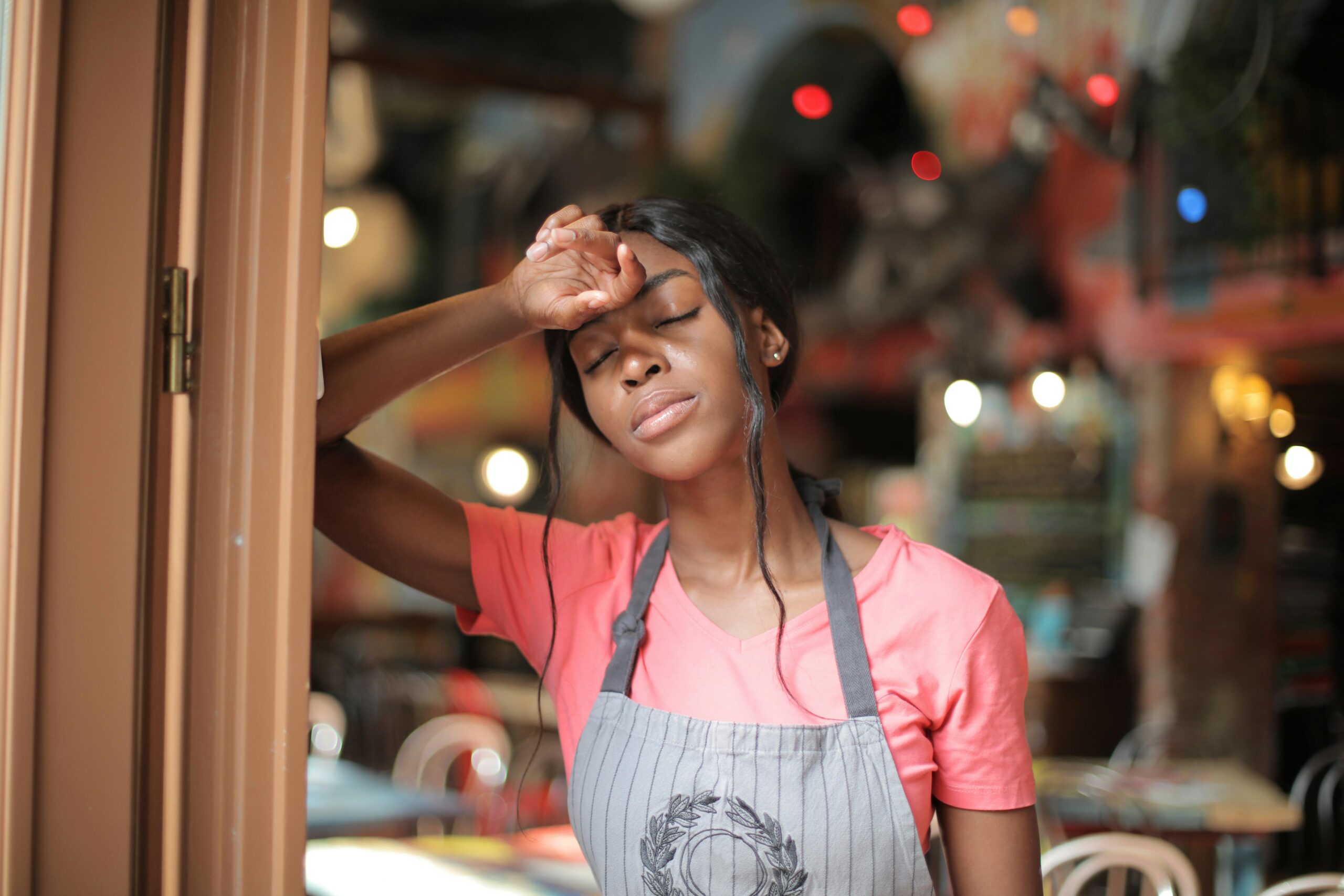
    For years, I thought my period fatigue was just “normal.” Every month I’d feel drained, dizzy, and foggy-brained — no matter how much I slept. Then one day, after a random blood test, my doctor said something that changed everything: “You’re slightly anemic.”

    I was shocked. I’d always eaten well, or so I thought. But she explained how iron levels drop naturally during menstruation, especially for women who bleed heavily. Low iron means less oxygen travels through the blood — and that’s why I felt like I was running on empty.

    I started adding iron-rich foods to my meals: lentils, spinach, red meat once a week, and pumpkin seeds for snacks. I even learned that combining these foods with vitamin C (like lemon juice or orange slices) helps your body absorb iron better. Within two months, I felt completely different — lighter, more awake, and surprisingly happier.

    So if you ever feel like your energy disappears with your period, it might not be “just hormones.” Sometimes, your body is whispering for something as simple — and powerful — as iron.

  • Comfort on a Plate: How Warm Meals Soothe Your Body During Your Period

    Comfort on a Plate: How Warm Meals Soothe Your Body During Your Period

    There’s something deeply comforting about a warm meal when you’re on your period — and it’s not just emotional. Studies have shown that eating warm, cooked foods can actually help the body relax, improve digestion, and reduce bloating.

    One nutritionist, Dr. Laila Mendez, once shared a story about a patient who constantly craved ice-cold drinks and salads during her period but always felt bloated and tired afterward. When Dr. Laila suggested switching to soups, stews, and herbal teas, the change was remarkable. Her patient’s cramps decreased, her energy levels improved, and she even described feeling more “centered” and calm.

    Warm meals — like vegetable soups, lentil stews, or even soft rice with turmeric — support blood circulation and prevent the digestive system from slowing down, which often happens during menstruation. Cold foods, on the other hand, can make blood vessels constrict, leading to more discomfort.

    If you tend to crave sweets or fast food during your cycle, try making comforting alternatives: baked sweet potatoes, hot chocolate made with real cocoa, or oatmeal with cinnamon and honey. These foods nourish your body while also feeding your emotions — because comfort doesn’t have to come from junk food.

    So next time your period arrives, wrap yourself in a blanket, warm up a homemade bowl of something cozy, and remind yourself that taking care of your body can also feel delicious.

  • The Surprising Benefit of Eating Oats During Your Period

    The Surprising Benefit of Eating Oats During Your Period

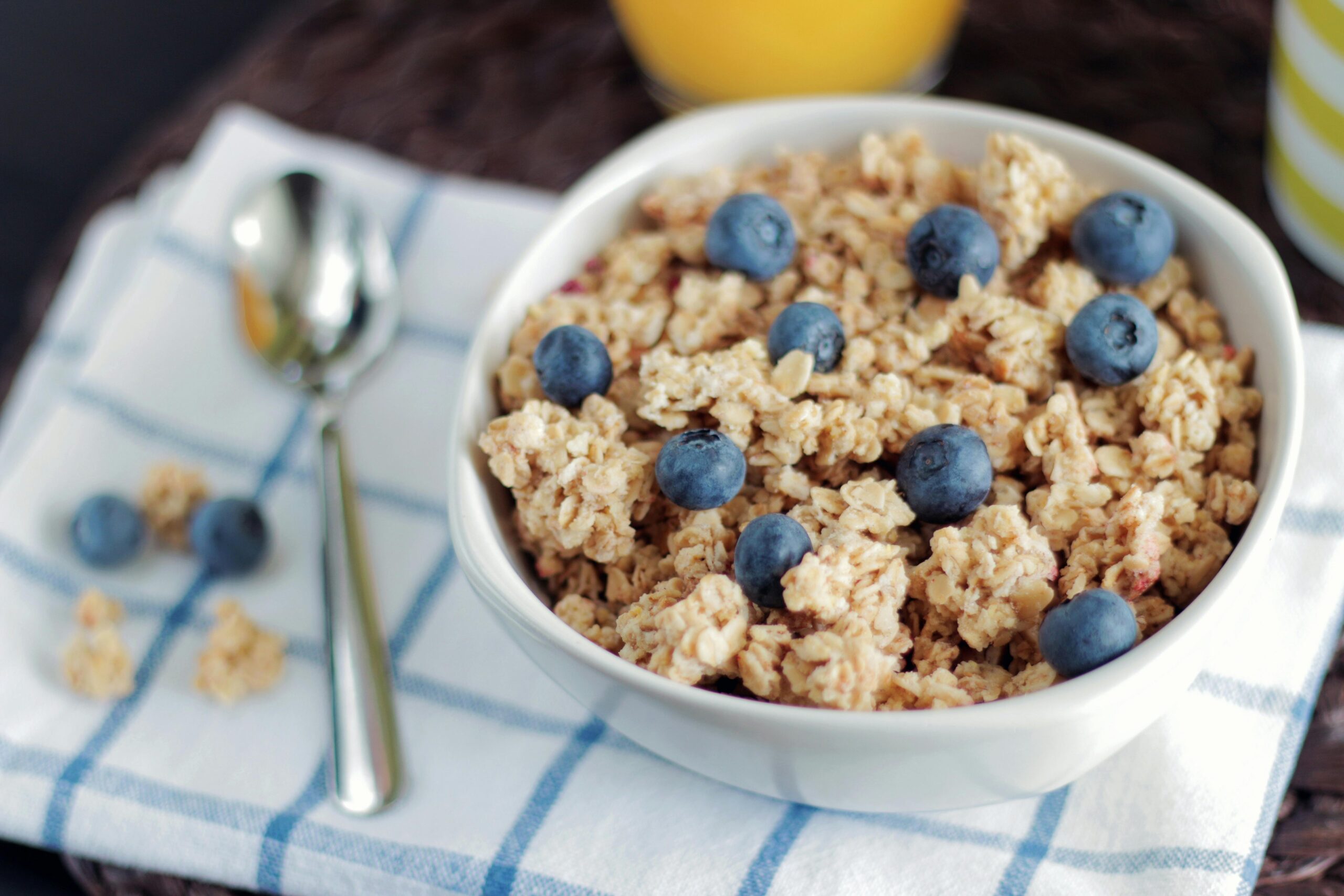
    A recent nutrition experiment found that women who ate a bowl of oats every morning during their period experienced less bloating and more stable energy. The reason lies in the fiber and iron found in oats, which help regulate digestion and compensate for the iron lost through bleeding.

    Oats also contain vitamin B6, known to balance mood and reduce irritability. In the experiment, women who combined oats with fruits like banana or berries reported less fatigue and fewer cravings.

    To try it yourself, cook oats with milk or plant-based alternatives, add some honey or cinnamon, and enjoy it warm. It’s not just comfort food — it’s nourishment that supports your body’s natural rhythm.

  • The Surprising Link Between Gut Health and Period Pain

    The Surprising Link Between Gut Health and Period Pain

    Recent research found that women with healthy gut bacteria experience fewer cramps and less bloating during their period. Scientists believe this happens because gut microbes help balance estrogen levels and reduce inflammation — two key factors that influence menstrual pain.

    In a small study, women added probiotic foods like yogurt, kefir, kimchi, and fermented pickles to their daily meals for one month. Many reported lighter cramps and better digestion during their next cycle.

    Gut health also affects mood. A balanced gut can increase serotonin production, the hormone responsible for happiness and calmness. So, improving digestion may also improve your emotional balance during your period.

    If you often deal with cramps or bloating, start by adding one serving of probiotic food a day. It’s a simple and natural step toward a more comfortable cycle.

  • The Best Comfort Foods for Your Period (That Are Actually Healthy)

    The Best Comfort Foods for Your Period (That Are Actually Healthy)

    When your period arrives, cravings often come along with it. You may find yourself reaching for chips, chocolate bars, or fast food. While these might bring short-term comfort, they can also worsen bloating, fatigue, and mood swings. The good news is that there are foods that feel comforting but still help your body during this time.

    Warm Soups and Stews
    A bowl of warm soup is soothing and easy to digest. Choose broth-based soups with lots of vegetables and lean protein like chicken or lentils. The warmth relaxes muscles, and the nutrients support your energy levels.

    Dark Chocolate
    Yes, you can still enjoy chocolate! Dark chocolate with at least 70% cocoa is rich in magnesium, which can reduce cramps and improve mood. Pair a square or two with some nuts for a satisfying and healthy snack.

    Smoothies with Greens and Fruit
    If your appetite feels low, a smoothie is an easy way to pack in nutrients. Blend spinach, banana, berries, and almond milk for a tasty drink that’s full of vitamins, iron, and fiber.

    Herbal Teas
    Instead of coffee, try teas like chamomile or peppermint. They soothe cramps, help with digestion, and reduce stress levels.

    Comfort food doesn’t have to mean junk food. Choosing warming, nutrient-rich meals will not only satisfy your cravings but also help you feel more balanced and energized throughout your cycle.

  • Herbs and Spices That Soothe Period Discomfort

    Herbs and Spices That Soothe Period Discomfort

    Sometimes, the best relief doesn’t come from a pill but from your kitchen. Certain herbs and spices have been used for centuries to ease menstrual discomfort, and modern science is beginning to support what tradition already knew.

    🌿 Soothing herbs and spices:

    • Ginger: Reduces cramps and inflammation. A warm ginger tea can calm both pain and nausea.
    • Cinnamon: Improves circulation and may reduce heavy bleeding. Sprinkle it on oatmeal or tea.
    • Turmeric: Its anti-inflammatory power helps with overall pain relief. Golden milk is a cozy option.
    • Peppermint: Calms bloating and relaxes muscles. Peppermint tea can also lift your mood.
    • Chamomile: Relaxes the body, improves sleep, and reduces irritability.

    💡 How to use them:
    You don’t need complicated recipes. A simple tea, a warm drink, or adding spices to meals works wonders. For example, ginger tea in the morning and chamomile tea before bed can create a calming rhythm.

    Herbs are not magic, but when combined with rest, hydration, and care, they become powerful allies. The next time discomfort arrives, try turning to nature first.

  • The Power of Iron-Rich Foods During Your Cycle

    The Power of Iron-Rich Foods During Your Cycle

    Many women feel unusually tired, weak, or lightheaded during their periods. One major reason is iron loss. Since iron is lost through menstrual blood, women with heavy flows are especially at risk for low iron levels. Replenishing it through your diet can make a huge difference in how you feel.

    💪 Why iron matters:
    Iron is essential for producing hemoglobin, the protein that carries oxygen in your blood. When levels drop, your body has to work harder to deliver oxygen to tissues, leaving you drained and fatigued.

    🥦 Best iron-rich foods for your period:

    • Spinach and leafy greens — rich in iron and vitamin C (which helps with absorption).
    • Red meat and chicken — excellent sources of heme iron, the most easily absorbed type.
    • Lentils, chickpeas, and beans — plant-based sources for vegetarians and vegans.
    • Pumpkin seeds and sunflower seeds — easy snack full of iron and magnesium.
    • Dark chocolate (70%+) — a delicious option that actually provides iron.

    🌿 Tips to maximize absorption:

    • Pair iron-rich foods with vitamin C sources like oranges, tomatoes, or strawberries.
    • Avoid tea or coffee right after meals, since they reduce iron absorption.
    • Spread iron-rich foods throughout the day for steady energy.

    By eating mindfully during your period and supporting your iron levels, you can fight fatigue naturally. Food can truly be medicine when chosen wisely.