Author: admin

  • How to Sleep Better on Your Period — and Why It Matters

    How to Sleep Better on Your Period — and Why It Matters

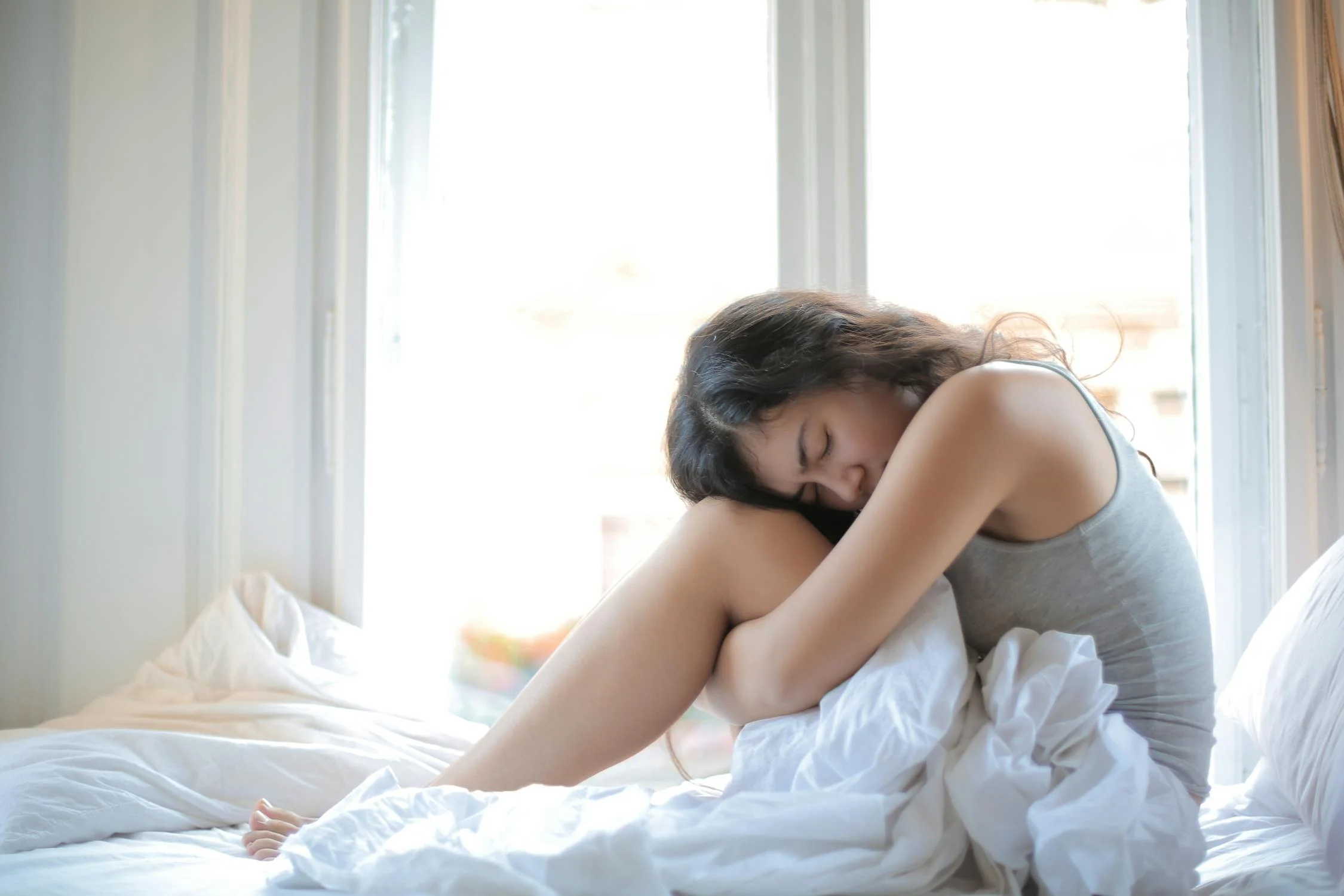
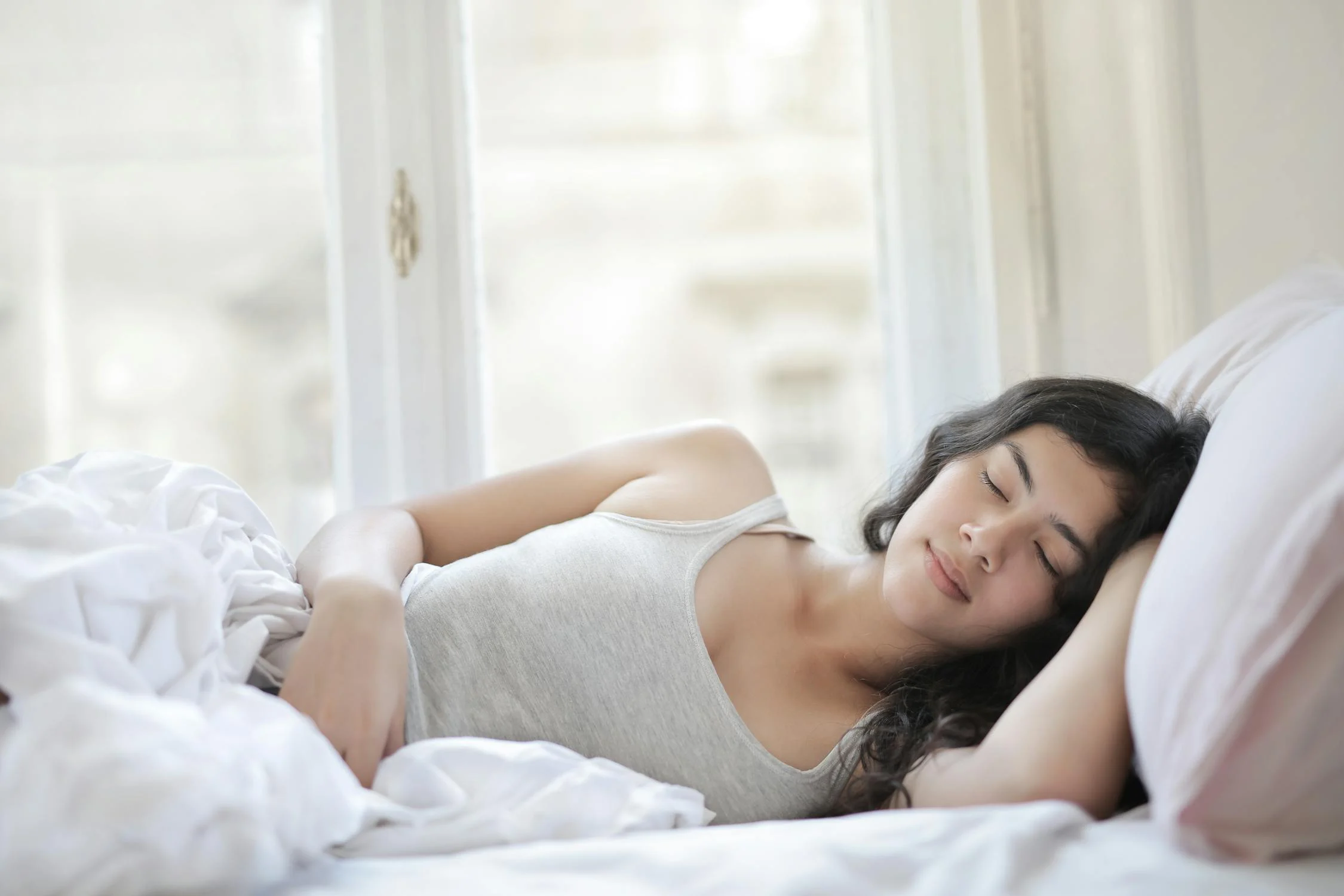
    Have you ever noticed that it’s harder to fall asleep — or stay asleep — during your period? You’re tossing and turning, your back or stomach hurts, and your mind won’t stop racing. Sleep disturbances are extremely common during menstruation due to hormonal fluctuations, physical discomfort, and mood changes.

    The truth is, quality sleep is crucial during your period. Your body is doing extra work: shedding the uterine lining, regulating hormone levels, and repairing tissue. Without enough sleep, everything feels worse — your cramps, your mood, your energy, even your cravings. But with the right adjustments, you can make bedtime your healing time.

    🌙 Tips to Sleep Better on Your Period:

    1. Stick to a wind-down routine. Try dimming lights, reading, or listening to calming music 30 minutes before bed.
    2. Use heat. A warm water bottle or heating pad on your lower abdomen can relax your muscles and help you fall asleep faster.
    3. Sleep in the fetal position. This posture relieves pressure from the abdominal muscles and can ease cramps.
    4. Avoid caffeine after 2 PM. Even a small amount can interfere with your body’s ability to relax.
    5. Stay cool. Your body temperature rises slightly during menstruation, so a cooler room and light sheets can help.
    6. Consider magnesium. This mineral supports sleep and reduces period pain. It’s found in nuts, dark chocolate, and leafy greens — or as a gentle supplement.

    🛌 Create a Ritual:
    Add a lavender spray to your pillow, keep your phone away, and wear comfy clothes that don’t press on your belly. Even lighting a candle before bed can signal your body it’s time to slow down.

    Better sleep isn’t a luxury — it’s part of your healing. Treat your bedroom like a sanctuary, and give your body the rest it truly deserves every cycle.
  • The Period Blues Are Real — Here’s How to Be Kinder to Yourself Emotionally

    The Period Blues Are Real — Here’s How to Be Kinder to Yourself Emotionally

    There are days in your cycle where you may feel like everything is heavier: your mood, your thoughts, your body, even your energy. Maybe you wake up already irritated, or maybe you feel like crying for no clear reason. Maybe you snap at someone you love and then feel bad about it. This is not in your head — it’s the effect of hormonal shifts on your emotional landscape. It’s real, and you’re not alone.

    During the luteal phase (the days before your period), estrogen and serotonin levels drop, which can affect your emotional balance. You may feel more sensitive, anxious, or down. On top of that, cramps, bloating, and lack of sleep can make it even harder to cope. But here’s the thing: you don’t have to “push through” or beat yourself up.

    🌸 Here’s how to be gentle with yourself:

    • Acknowledge what you’re feeling without judgment. Write it down, say it aloud, or just sit with it.
    • Talk to someone you trust. “I’m in my PMS days and feeling off” is enough — no need to explain everything.
    • Reduce the pressure. You don’t have to do it all today. Give yourself permission to rest, say no, or take it slow.
    • Do something small that brings you joy — even if it’s just watching a cozy movie or taking a short walk.
    • Avoid doom-scrolling and comparison. Social media during PMS can make you feel worse — be mindful of what you consume.

    💛 Self-compassion is key.
    You are not your thoughts or your worst mood. You are a whole person with changing rhythms — and those rhythms are natural. Instead of fighting your emotional waves, try to surf them with love and understanding.

    You’re allowed to have off days. You’re allowed to be soft. And most importantly, you’re allowed to take care of your emotional world just as much as your physical one.

  • Period-Friendly Snacks That Actually Help You Feel Better

    Period-Friendly Snacks That Actually Help You Feel Better

    Snacking during your period is totally normal — your body is working overtime and needs extra fuel. But not all snacks are created equal. Some can leave you bloated, tired, or moody… while others can actually help balance your hormones, ease cramps, and give you steady energy.

    So instead of reaching for ultra-processed snacks loaded with sugar or salt, try these tasty and nourishing alternatives. They’ll satisfy your cravings and support your body at the same time.

    🍫 Craving Chocolate?
    Go for dark chocolate (70% cacao or more). It’s rich in magnesium, which helps ease muscle tension and reduce cramps. Pair it with a few almonds for a satisfying, protein-rich combo.

    🍿 Need Something Salty?
    Skip the chips and try air-popped popcorn with olive oil and sea salt, or roasted chickpeas tossed with paprika. These snacks are crunchy, salty, and loaded with fiber — no bloating or guilt.

    🍓 Looking for Something Sweet?
    Blend frozen bananas with peanut butter and a touch of honey for homemade “nice cream.” Or snack on berries with Greek yogurt, which gives you probiotics and calcium for bone and hormone support.

    🥒 Feeling Bloated?
    Cucumber slices, celery sticks, and watermelon chunks are full of water and can help with bloating. Add a dash of lemon or mint to keep it fresh and delicious.

    🥜 Power Bites to Keep You Full
    Make your own energy balls with oats, dates, peanut butter, and a few dark chocolate chips. They take just 10 minutes to make and keep well in the fridge all week.

    Snacking doesn’t have to be about guilt. It’s a way to support your body, your energy, and even your mood. Listen to your cravings — they’re your body’s way of asking for support — and answer them with foods that truly help. 💕

  • The Importance of Iron During Your Period — And How to Get Enough

    The Importance of Iron During Your Period — And How to Get Enough

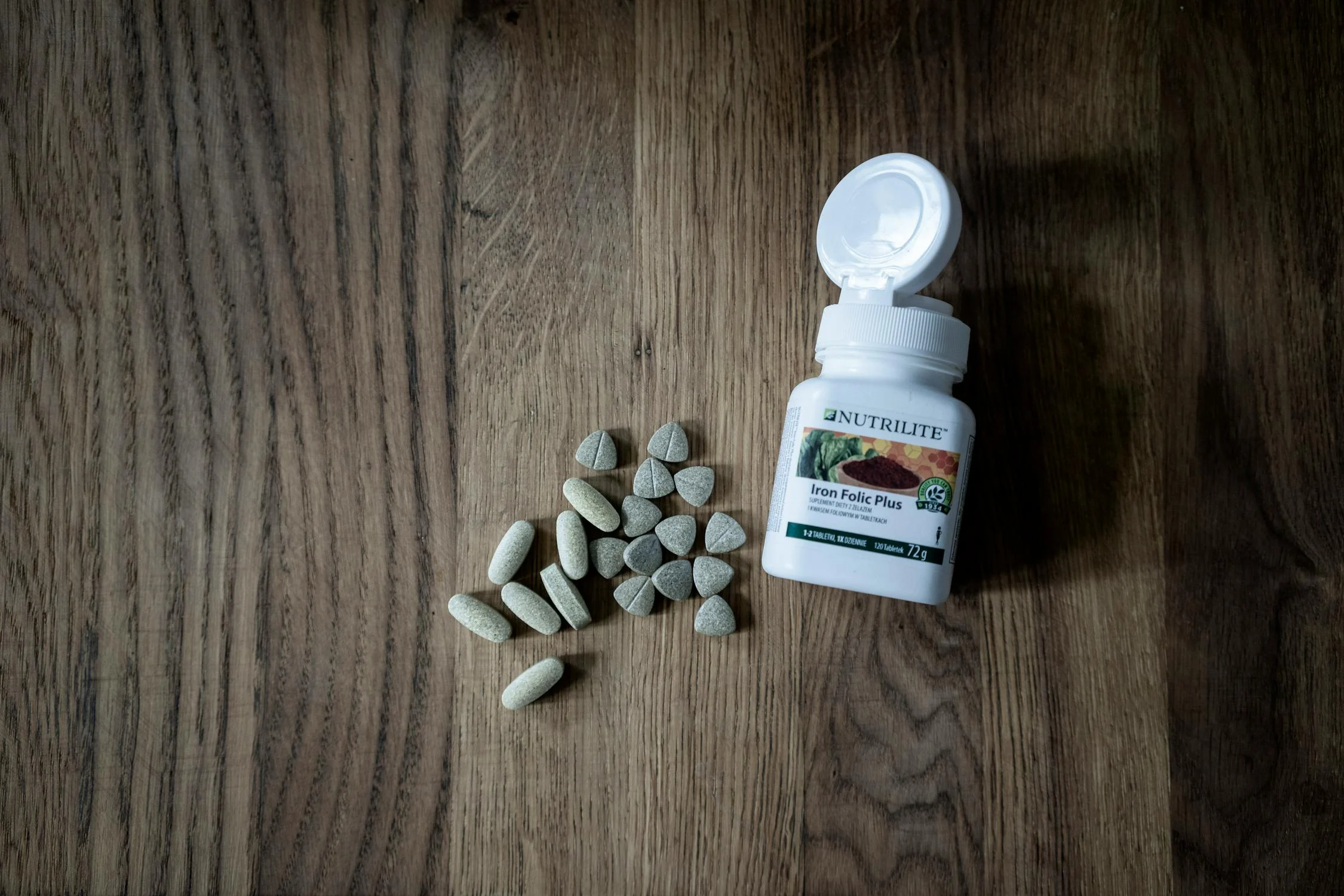
    Did you know that during your period, you lose between 30 to 80 milliliters of blood on average? That might not sound like much, but over time, it can affect your iron levels — especially if you’re not getting enough iron in your diet. Low iron can lead to fatigue, dizziness, shortness of breath, and even hair loss. In fact, many women who feel “extra tired” or low-energy during their periods are actually low in iron without realizing it.

    Iron is essential for making hemoglobin, a protein in your red blood cells that carries oxygen throughout your body. When iron levels drop, your cells receive less oxygen, and your energy crashes. For menstruating women, this risk is higher — especially if your flow is heavy or you follow a vegetarian or vegan diet.

    So how can you support your body?

    🥩 Best Iron-Rich Foods:

    • Red meat (like beef or lamb)
    • Chicken and turkey
    • Organ meats like liver
    • Sardines and tuna

    🌿 Plant-Based Options:

    • Lentils, chickpeas, and tofu
    • Spinach and kale
    • Pumpkin seeds and sunflower seeds
    • Fortified cereals and breads

    💡 Pro Tip:
    Your body absorbs iron better when it’s paired with vitamin C. Try adding oranges, strawberries, or bell peppers to your meals when eating iron-rich foods.

    🚫 Avoid This with Iron:
    Drinking tea or coffee with your meals can block iron absorption. Wait at least an hour after eating before having that cup of tea.

    🩺 When to Check In with a Doctor:
    If you often feel exhausted, pale, dizzy, or notice shortness of breath, ask for a blood test to check your iron levels. Low iron (iron deficiency anemia) is common and treatable.

    Supporting your iron intake isn’t just about reducing tiredness — it’s about giving your body the strength and energy it deserves to thrive all month long. 🌟

  • Why Tracking Your Cycle is a Game-Changer for Your Health

    Why Tracking Your Cycle is a Game-Changer for Your Health

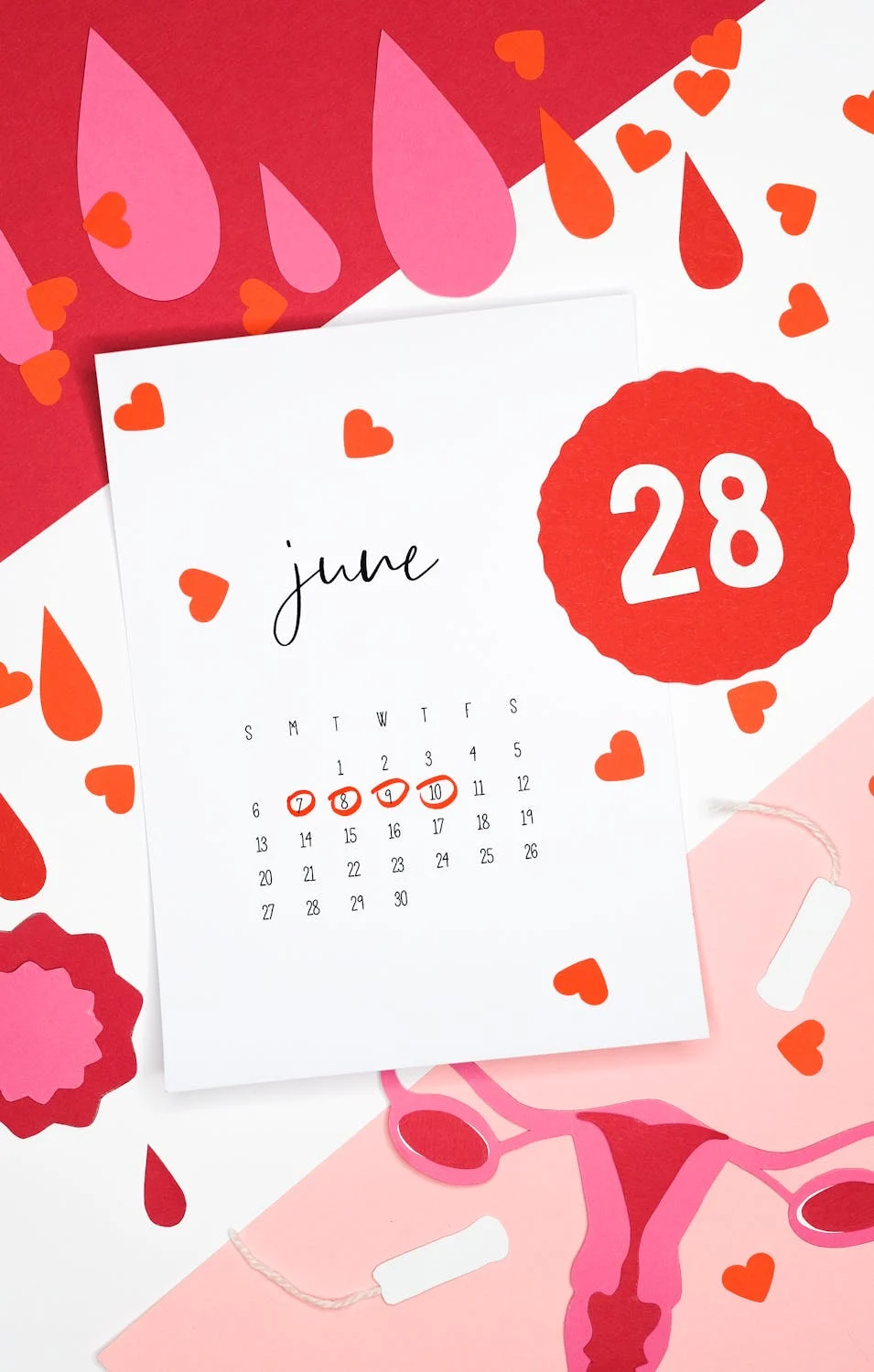
    Tracking your menstrual cycle is more than just knowing when your period starts — it’s a tool for understanding your body and protecting your long-term health. Whether you’re trying to manage PMS, prepare for pregnancy, or simply feel more in control of your routine, here’s why cycle tracking is so powerful.

    📅 Know Your Phases
    Your cycle has four phases:

    1. Menstrual (your period)
    2. Follicular (after your period)
    3. Ovulation (mid-cycle)
    4. Luteal (before your next period)

    Each phase affects your mood, energy, appetite, and even how your skin behaves. Tracking helps you prepare for these shifts instead of being caught off guard.

    👩‍⚕️ Spot Patterns
    Are your cramps worse on some months? Do you always get a headache before your period? Noticing patterns allows you to take action — whether that means adjusting your diet, rest, or asking your doctor the right questions.

    🧠 Feel Empowered
    When you track your cycle, you feel more connected to your body. You can plan work, social time, and even workouts around the energy you know you’ll have.

    📲 Use Your Tools
    If you’re using this app, you’re already one step ahead. Make it a habit to check in daily — log your symptoms, mood, sleep, and energy. In just a few months, you’ll be amazed how much you’ve learned about yourself.

    Cycle tracking is self-knowledge — and self-knowledge is power. 💪✨

  • How to Build a Simple Period Self-Care Routine That Actually Feels Good

    How to Build a Simple Period Self-Care Routine That Actually Feels Good

    Your period doesn’t have to feel like a monthly struggle. In fact, it can be a time to slow down, check in with your body, and offer yourself the kind of care you usually give others. One way to feel more balanced during your cycle is to build a simple period self-care routine — one that fits your lifestyle and makes you feel more in tune with yourself.

    🌿 Start With the Basics:

    • A hot water bottle or heating pad for cramps
    • Comfy clothes that don’t press on your belly
    • Light, nourishing meals that are easy to digest
    • A water bottle nearby at all times to stay hydrated

    🧘‍♀️ Movement, But Gentle
    Try stretching, yoga, or walking if your energy is low. Movement increases circulation and helps release endorphins, your body’s natural painkillers.

    📖 Make Space to Breathe
    Even five quiet minutes can make a difference. Put on relaxing music, light a candle, or simply sit with your thoughts. Don’t feel pressured to “be productive.” Your body is working hard already.

    🛁 Comfort Rituals

    • Take a warm bath with a few drops of essential oil
    • Massage your lower belly with coconut oil or lavender oil
    • Use period-safe skincare to pamper yourself

    💌 Period Self-Care Reminder:
    Self-care isn’t selfish. It’s necessary. You deserve peace, softness, and comfort — especially when your body is asking for it the most. Let this time of the month be a chance to love yourself more, not less.

  • Why You Feel Extra Emotional Before Your Period — and How to Cope

    Why You Feel Extra Emotional Before Your Period — and How to Cope

    Ever cried over something small and then realized your period was a few days away? You’re not alone. PMS-related mood swings and emotional sensitivity are real, and they affect many women — sometimes more than we expect. But instead of feeling guilty or confused, let’s understand what’s happening and how to take care of ourselves through it.

    🧬 What’s Going On?
    In the second half of your cycle (called the luteal phase), your estrogen and serotonin levels start to drop. These changes affect the brain, making you more prone to mood swings, anxiety, irritation, or even low energy.

    💡 What Helps?

    • Get enough sleep: Your emotions are harder to regulate when you’re tired.
    • Move your body: Even a 20-minute walk boosts mood-regulating hormones.
    • Journal your feelings: Getting them out of your head and onto paper gives you perspective.
    • Talk to someone you trust: Saying, “I feel off today and don’t know why,” is okay.

    🍃 Gentle Tools That Support You:

    • Magnesium supplements or foods (like dark leafy greens and pumpkin seeds)
    • Warm herbal teas, especially chamomile or lemon balm
    • Breathing exercises, like 4-7-8 breathing

    ❤️ Remember:
    Your emotions are valid. You’re not “too sensitive” or “dramatic.” Your body is simply shifting, and your emotions are part of that story. The more you understand yourself, the more power you have to take care of your mind and heart — not just during your period, but every day.

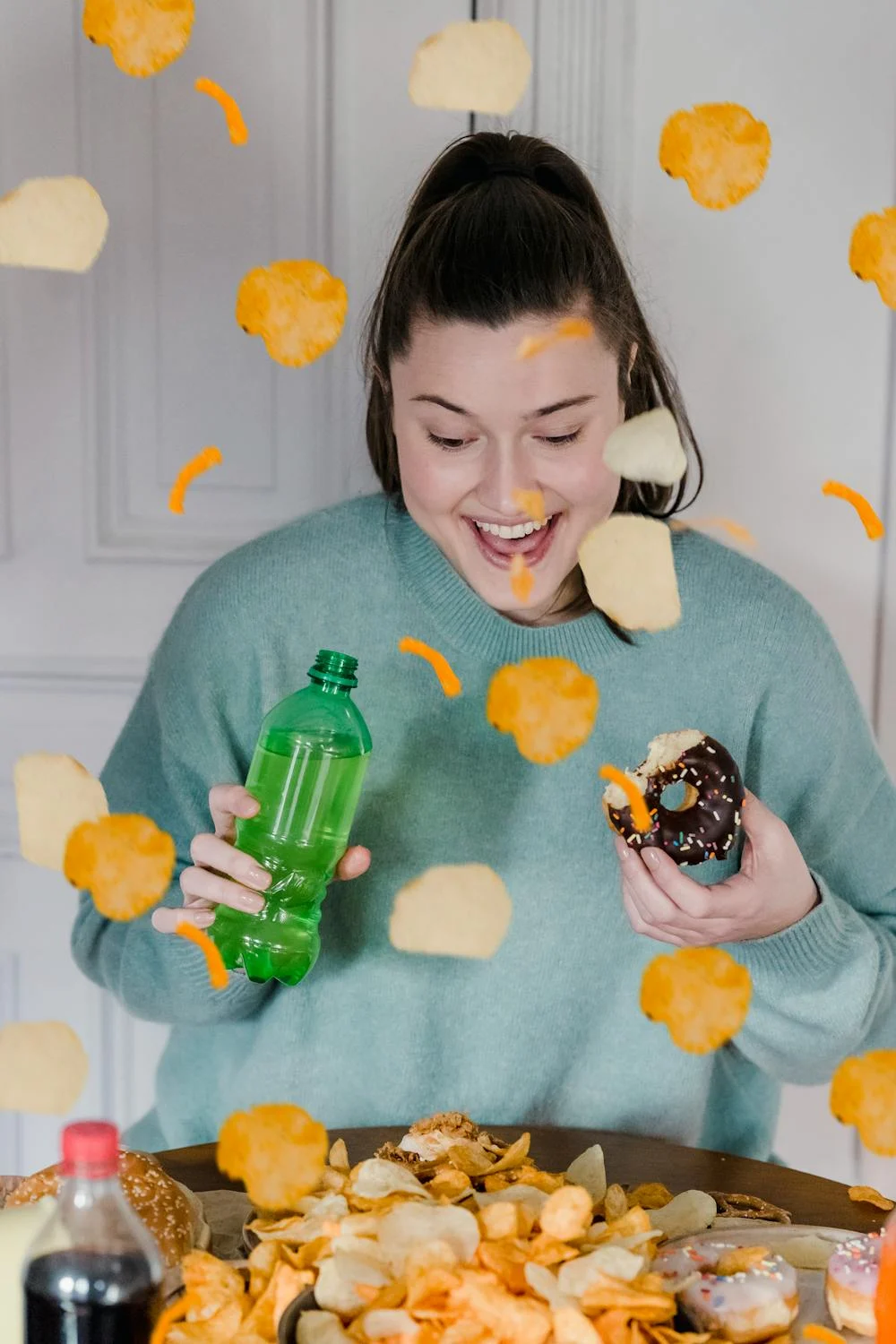
  • Craving Junk on Your Period? Here’s How to Outsmart It

    Craving Junk on Your Period? Here’s How to Outsmart It

    Let’s be honest — when your period hits, your cravings can feel so real. You might suddenly want chips, burgers, sugary snacks, or chocolate right now. But while giving in to cravings every now and then is totally okay, consistently eating too much junk during your cycle can make things worse — bloating, mood swings, fatigue, and even more intense cramps. So how can you satisfy your cravings without feeling worse afterward? Here’s how to outsmart them:

    🔄 Understand the Why
    Cravings often show up due to hormonal changes, especially a drop in estrogen and serotonin. This can make you reach for carbs and sugar to feel better emotionally.

    🍫 Smart Swaps
    Instead of milk chocolate, go for dark chocolate (70%+ cacao). It’s rich in magnesium and can actually help with cramps and mood.

    🍟 Salty Cravings?
    Make homemade sweet potato fries, roasted chickpeas, or popcorn with olive oil and herbs. They’re satisfying, crunchy, and much healthier than fast food fries or chips.

    🍦 Sweet Tooth?
    Frozen bananas blended into “nice cream,” dates with almond butter, or fruit with yogurt can satisfy your sweet cravings without a sugar crash.

    🥤 Craving Soda or Energy Drinks?
    Try sparkling water with lemon, or cold herbal tea with a drop of honey. They’re refreshing and won’t mess with your energy levels.

    🥗 The Big Picture:
    Don’t punish yourself if you eat a cookie — instead, add more whole, nutrient-rich foods to your meals so you feel full and balanced. When your body is nourished, your cravings naturally reduce.

    Your cravings are a message — listen with kindness, and respond with care. 💛

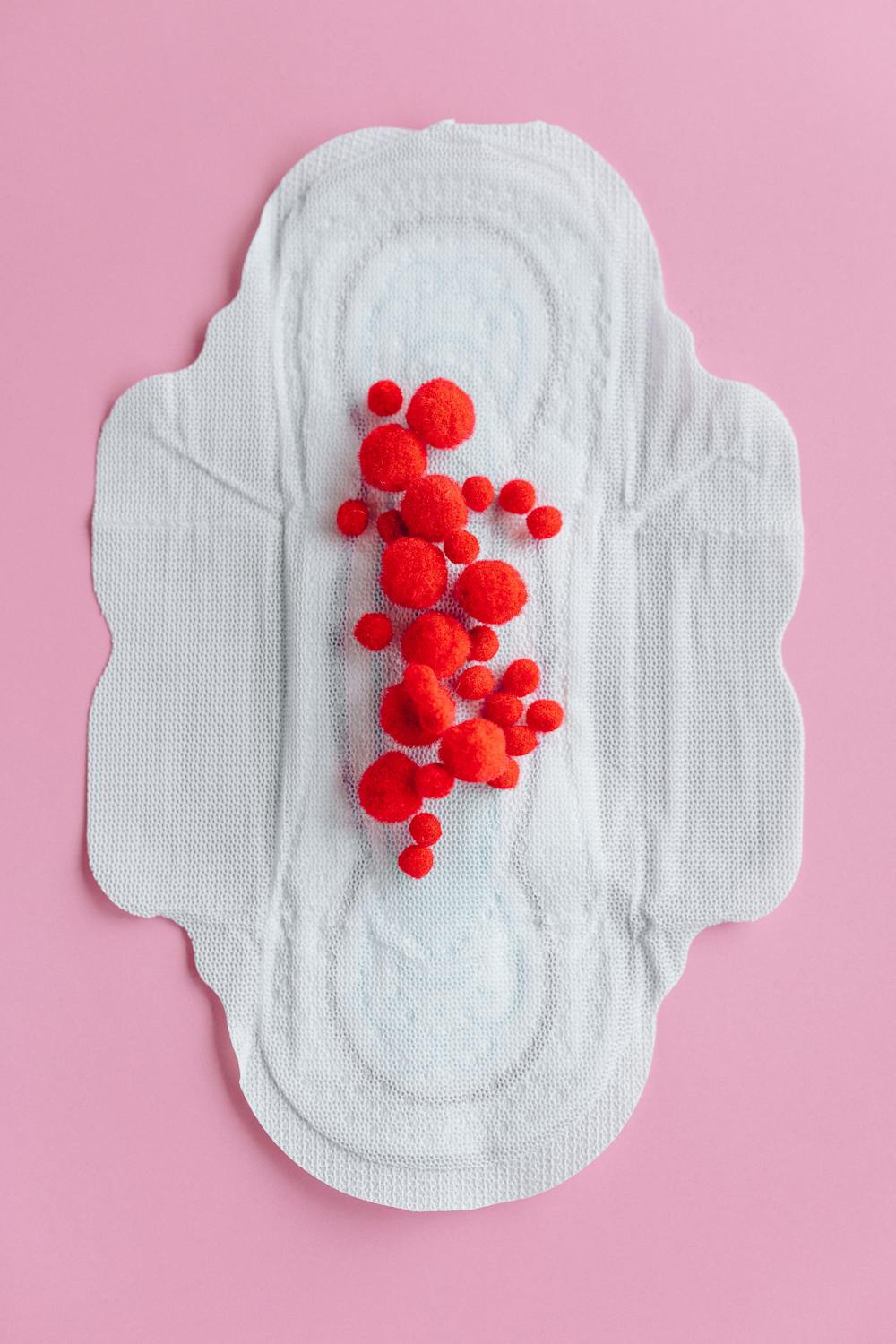
  • How Much Blood Loss Is Normal During a Period?

    How Much Blood Loss Is Normal During a Period?

    Many women wonder: “Am I bleeding too much? Too little?” It’s important to know what’s considered normal so you can feel more confident about your health.

    🩸 Average Blood Loss:
    During a normal period, you lose about 30–80 milliliters (about 2 to 6 tablespoons) of blood over the whole cycle. It might look like more because blood mixes with fluid from the uterus.

    📆 Period Length:
    Most periods last between 3 to 7 days. If your period is shorter or longer occasionally, that’s usually okay. But if your period consistently lasts more than 8 days, you may want to talk to a healthcare provider.

    Signs of Heavy Bleeding:

    • Soaking through one pad or tampon every hour
    • Needing double protection (tampon + pad)
    • Passing blood clots larger than a coin
    • Feeling weak, dizzy, or extremely tired

    🌸 When to See a Doctor:
    If your bleeding feels overwhelming, if your periods are very painful, or if you suddenly notice a big change in your cycle, it’s a good idea to get checked. There are many simple treatments that can help!

    🌟 Final Thought:
    Knowing what’s normal helps you feel empowered about your body. Don’t be afraid to ask questions or seek support when it comes to your menstrual health. Your body’s signals are there to guide you — listen to them with care and respect.

  • You Are Not Alone: Every Woman Has Her Own Journey

    You Are Not Alone: Every Woman Has Her Own Journey

    Some days during your period (or even just in life!) you might feel isolated, overwhelmed, or misunderstood. But always remember: you are not alone. Millions of women around the world are walking their own journeys — experiencing similar emotions, challenges, victories, and dreams.

    Every woman’s story is different, and every cycle is unique. Some women have heavy flows, others light. Some feel strong cramps, others don’t. Some feel emotional waves, others feel calm. And all of it is okay. All of it is normal.

    💬 Here’s the truth:
    You don’t have to suffer in silence. You don’t have to pretend to be “perfect” or “strong” all the time. It’s okay to need rest. It’s okay to ask for help. It’s okay to not have it all figured out.

    🌸 Sisterhood is Powerful:
    When women come together and share openly about their experiences — the good, the bad, the messy — real magic happens. We realize we are stronger together. We learn from each other. We lift each other up.

    🌟 A Message to You:
    Your feelings are real. Your struggles are valid. Your dreams are worth fighting for.
    Take one step at a time. Honor your body. Trust your journey. You are doing better than you think.