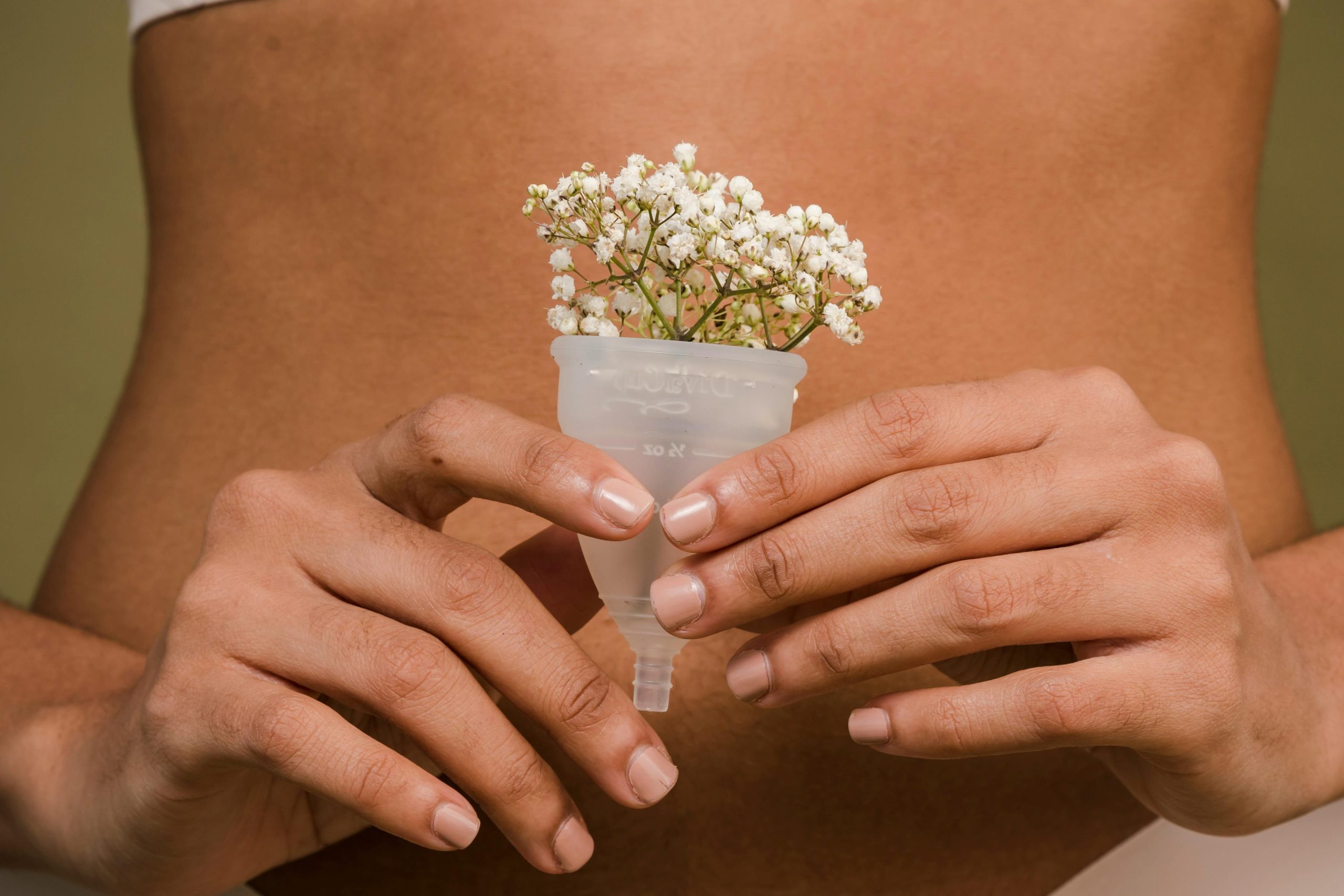
Last year, while reading a short medical report shared by a women’s health researcher, I came across a simple but powerful idea: most women only experience their cycle, but few truly track its patterns beyond bleeding days. That sentence stayed with me.
The study followed women who logged not only their period dates, but also sleep quality, digestion, mood, skin changes, and energy levels across several months. What researchers found was surprising—many symptoms women considered “random” followed very clear cycle-related patterns.
Curious, I decided to try it myself. I started noting small details in my cycle: days when I felt confident, days when concentration was low, moments of bloating, or sudden creativity. Within two months, a pattern appeared. My low-energy days were predictable. My emotional sensitivity had timing. Even my headaches followed a rhythm.
This awareness changed how I lived. I stopped blaming myself on low days and stopped overworking during high-energy phases. Instead, I began aligning tasks with my cycle. Planning, learning, and social activities felt easier when done at the right time.
One insight from the study focused on inflammation levels. Researchers observed that inflammatory responses rise slightly before menstruation, which explains why joint pain, acne, and digestive discomfort often increase. This wasn’t “in my head”—it was measurable. Supporting the body with rest, anti-inflammatory foods, and hydration during that phase reduced symptoms significantly.
Another discovery was about intuition and self-awareness. Many participants reported stronger emotional clarity during certain phases of their cycle. When listened to, these signals helped them make better decisions—not impulsive ones.
What moved me most was realizing how little we are taught about this. The menstrual cycle is often reduced to bleeding days, while it actually influences the brain, metabolism, immune system, and emotions.
This experience taught me that knowledge is not control—it’s freedom. When women understand their cycles, they stop fighting themselves. They begin cooperating with their biology.
Your cycle is not a limitation. It’s a map. And once you learn how to read it, everything becomes clearer.