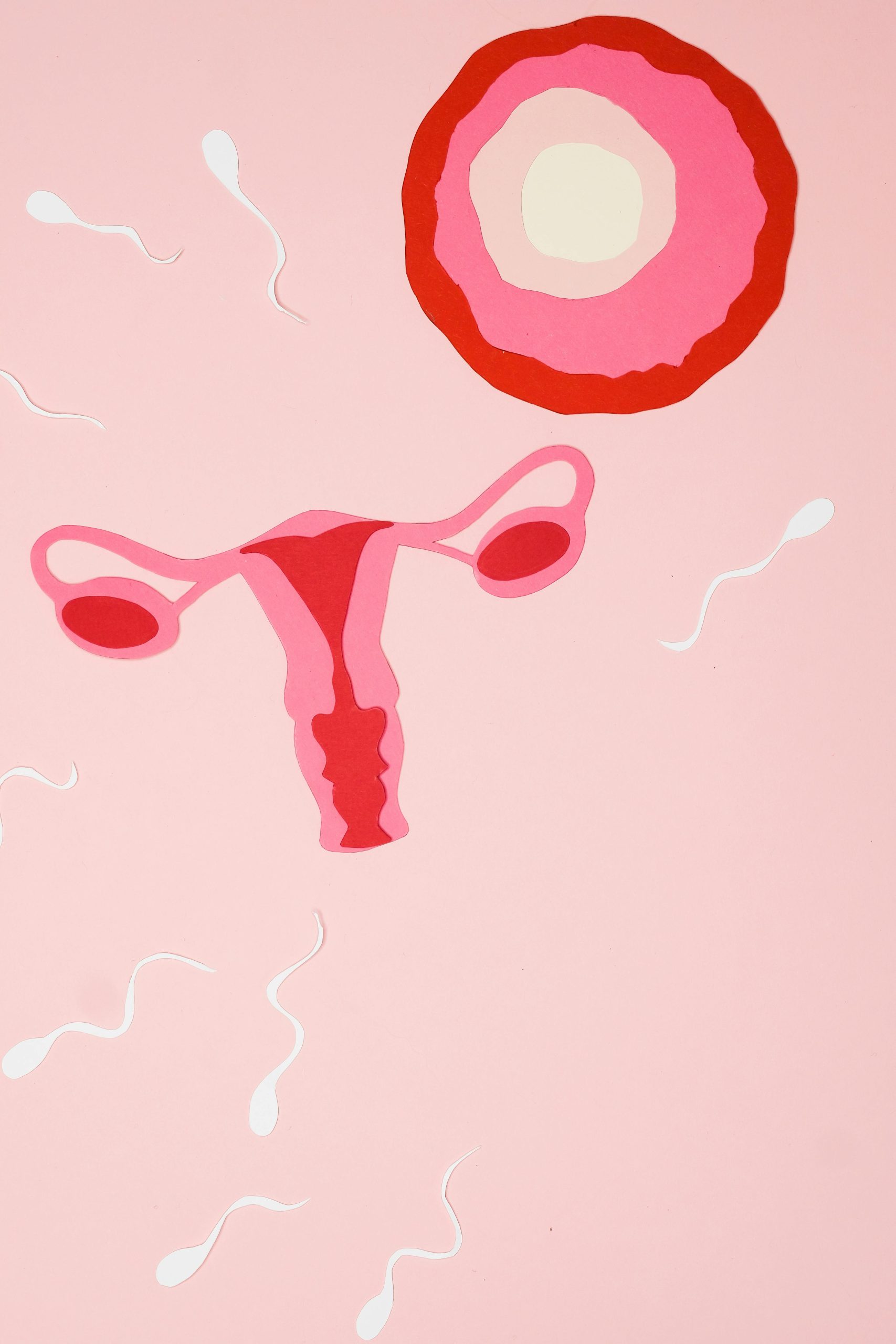
Fertility is not spread evenly across the menstrual cycle. Medical research confirms that pregnancy can only occur during a limited window each month, known as the fertile window. Understanding this window helps users make sense of the data collected by cycle-tracking apps.
The fertile window is defined as the days leading up to ovulation and the day of ovulation itself. Sperm can survive inside the female reproductive tract for up to five days, while an egg remains viable for about 12 to 24 hours after being released. This is why conception is possible only during this specific time frame.
Ovulation is controlled by a surge in luteinizing hormone (LH), which causes the ovary to release an egg. Many tracking apps estimate ovulation by analyzing cycle length, but modern apps also use body signals such as basal body temperature and cervical fluid patterns.
Basal body temperature rises slightly after ovulation due to progesterone. This change does not predict ovulation in advance, but it confirms that ovulation has already occurred. Over time, repeated temperature patterns help identify personal cycle rhythms.
Cervical fluid is another important fertility marker. Before ovulation, estrogen causes the cervix to produce clear, slippery, and stretchy fluid. Medical research confirms that this type of fluid helps sperm survive and move more easily toward the egg. When this pattern appears in tracking data, it usually indicates the fertile window is open.
Hormones also influence the cervix itself. During fertile days, the cervix becomes softer and higher, which supports sperm movement. After ovulation, progesterone thickens cervical fluid and closes the fertile window.
Fertility tracking is not only for people trying to conceive. It also helps users understand when pregnancy is unlikely, recognize hormonal patterns, and detect irregular cycles.
Doctors emphasize that cycle tracking provides information, not diagnosis. Patterns over several months are more meaningful than a single cycle. This is why consistent tracking is important.
Understanding how fertility works allows users to interpret their app data with clarity instead of confusion. The cycle follows biological rules, and tracking simply helps reveal them.