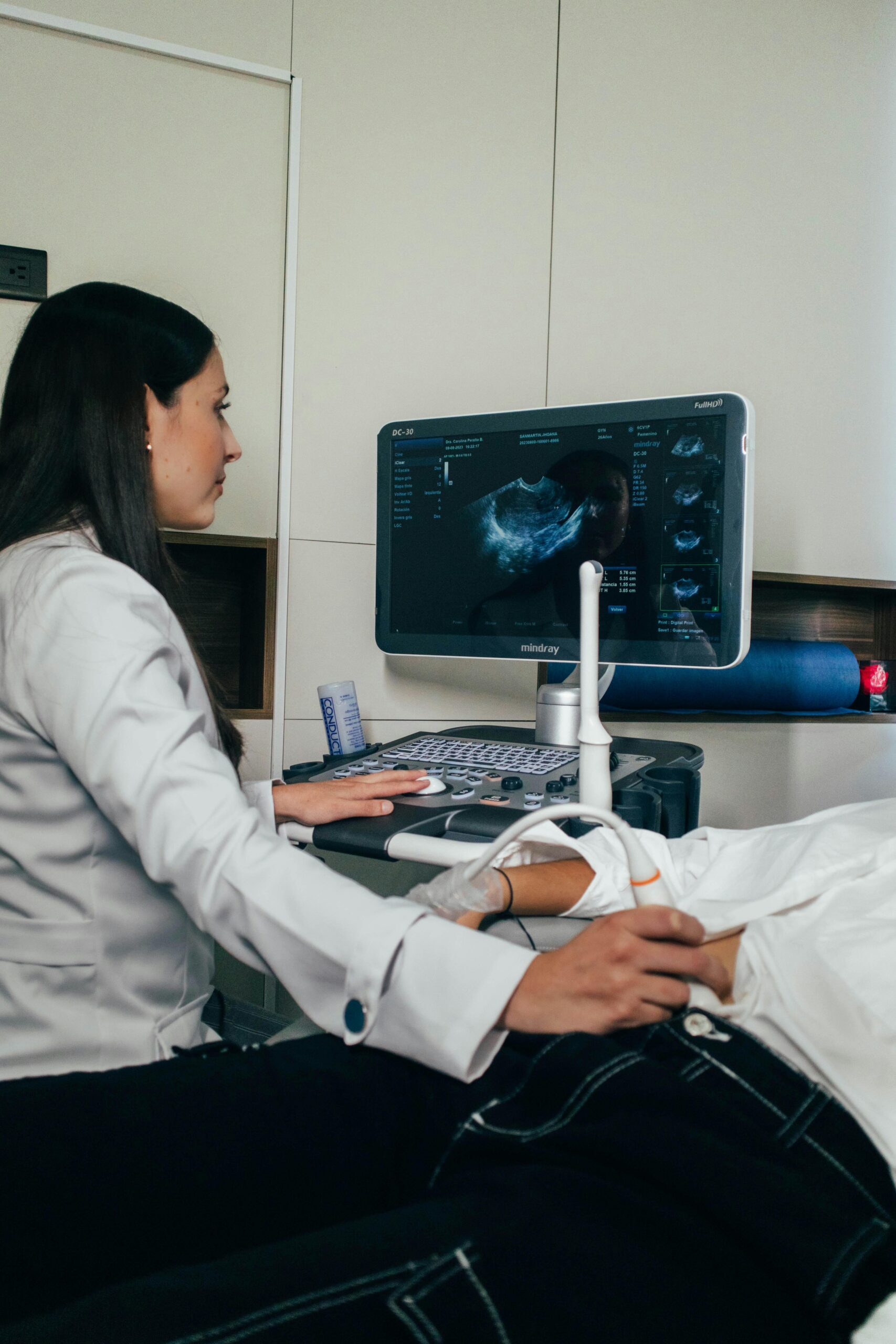
I still remember the day I sat in a gynecologist’s office, complaining—as usual—about period pain. I expected to hear the same sentence I had heard for years: “It’s normal, take a painkiller and rest.”
Instead, she said something that stayed with me: “Pain during your period is common, but suffering is not inevitable.”
That sentence pushed me to start observing my body more closely, not just during my period, but throughout the entire month.
One of the first health tips she shared with me was surprisingly simple: period pain often starts before your period begins. Hormonal changes happen days earlier, and the way we eat, sleep, and manage stress during that time can either soften or intensify the pain.
She explained that dehydration is one of the most underestimated causes of strong cramps. During the luteal phase (the days before menstruation), the body tends to retain water, which tricks us into drinking less. In reality, drinking enough water helps reduce bloating and relax uterine muscles. Since then, I consciously increase my water intake a week before my period—and the difference is real.
Another important discovery was about iron and magnesium. Many women focus only on iron loss during menstruation, but magnesium deficiency can worsen cramps, headaches, and fatigue. Adding magnesium-rich foods like almonds, bananas, oats, and dark chocolate helped me feel calmer and less tense during my cycle.
She also warned me about something I was doing wrong for years: ignoring mild pain and waiting until it becomes unbearable. When cramps start gently, the uterus is already contracting. Light movement, stretching, or a warm compress at that stage can prevent the pain from escalating. Treating pain early is not weakness—it’s prevention.
What surprised me most was her advice about emotions. She said: “Your uterus listens to your nervous system.” Chronic stress keeps the body in a constant fight-or-flight mode, which makes period pain sharper and longer. Deep breathing, slowing down, and even short walks can physiologically reduce pain—not just emotionally.
Over time, I learned that health tips for periods are not about controlling the body, but about cooperating with it. Periods are not a monthly enemy. They are feedback. When pain increases, it’s often a sign that something else—nutrition, rest, stress, or deficiency—needs attention.
Today, my periods are still there, but they are no longer something I fear. Listening early, caring gently, and respecting my body’s signals made all the difference.